







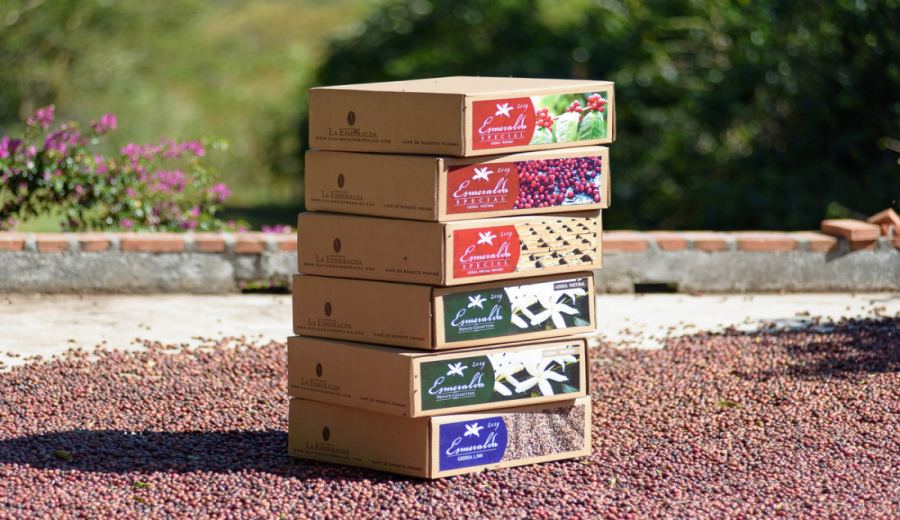
Introduction:Panama’s Hacienda La Esmeralda is one of the world’s most renowned Geisha coffee origins, but did you know it wasn’t originally planted for Geisha? From its transformation from a ranch in 1964 to the explosive fame of Geisha in 2004, this development journey is full of surprises. This article delves into the plot distribution of Hacienda La Esmeralda, traces the discovery of Geisha, and details the definitions, regions, altitudes, and flavor profiles of the three major grades — Red Label, Green Label, and Blue Label — helping you better understand how to choose the Geisha coffee beans that suit you.
The Barú Volcano region in Panama, with its unique microclimate and fertile volcanic soil, has become the cradle of many top-tier coffee farms, and Hacienda La Esmeralda is one of them. In 1964, the Peterson family purchased this land in Boquete, initially focusing mainly on dairy production, with coffee grown only on a small scale for personal enjoyment. It wasn’t until 1973 that Price Peterson, based on the geographical conditions of different plots, divided the coffee-growing areas into three brands for sale: Esmeralda Special, Diamon Mountain grows, and Palmyra. Then, in 2012, with the rise of Geisha, a fourth brand was born.
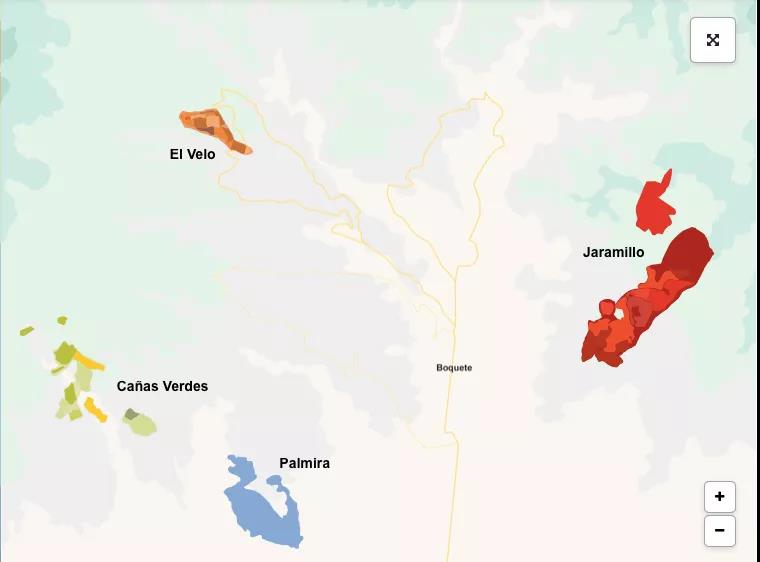
Hacienda La Esmeralda currently has four main producing areas: Cañas Verdes, El Velo, Jaramillo, and Palmira, with coffee beans from each area processed at dedicated farms. Among them, Palmira is the earliest area acquired by the Peterson family, while high-quality Geisha mainly comes from Jaramillo and Cañas Verdes. The Jaramillo region sits at an altitude of approximately 1600 to 1700 meters, with annual rainfall reaching up to 4000 mm and significant day-night temperature differences, creating unique flavor potential. Cañas Verdes is slightly higher in altitude, ranging from about 1600 to 1800 meters, with slightly lower annual rainfall of around 3500 mm. As for the newly added El Velo plot in 2012, it sits even higher, between 1700 and 1900 meters, and in addition to Geisha and Catuai, it also grows small amounts of special varieties, such as Kenya SL28.
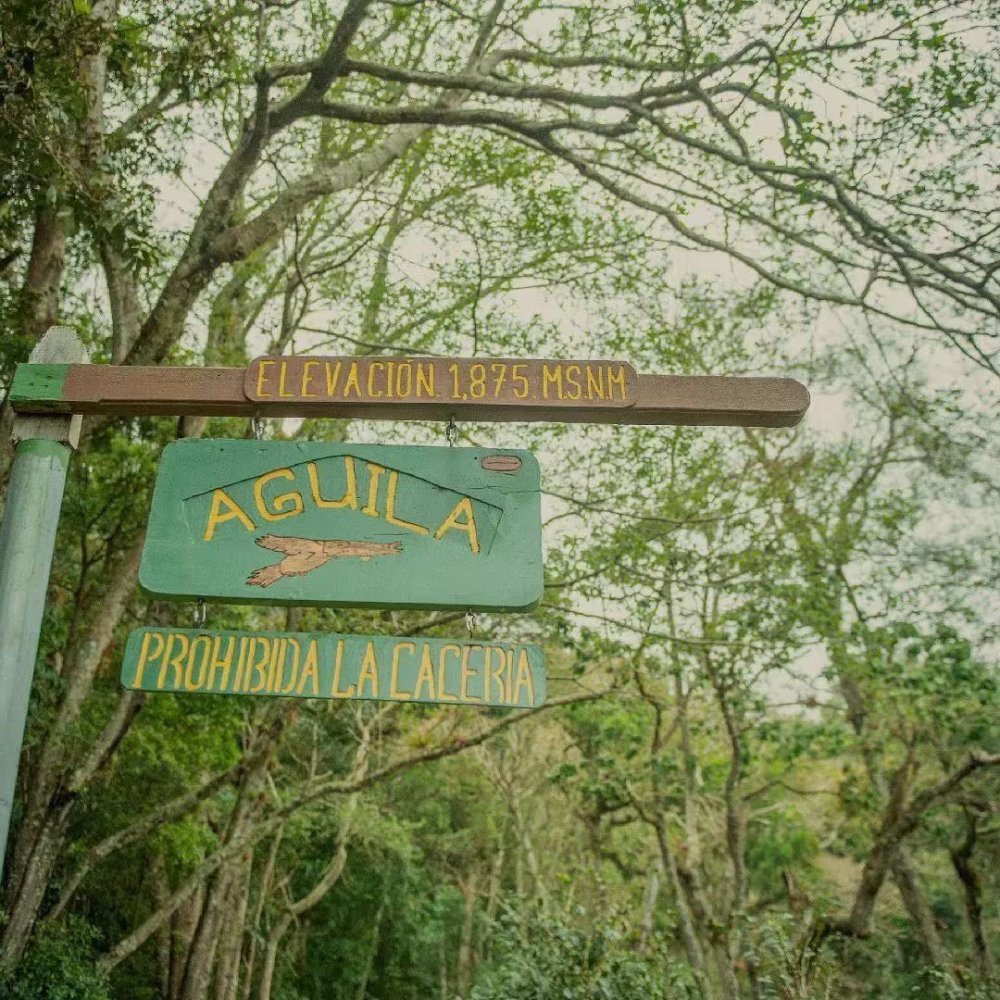
The surprising discovery of the Geisha variety originated from Price Peterson’s continued observations after acquiring the Jaramillo plot in 1996. They noticed that the coffee from this area had rare citrus and floral notes, distinctly different from the common berry flavors found in Central and South America. Starting in 2002, Price and his son Daniel conducted a series of cuppings, analyzing coffee varieties at different altitudes one by one, and eventually discovered that these captivating flavors actually came from coffee trees planted as windbreaks at the edge of Jaramillo. These trees were tall and slender with sparse leaves, yielding low, and were originally intended only for wind protection. Their performance varied greatly across altitudes, especially above 1500 meters, where the flavors were particularly outstanding.
Upon tracing, these coffee trees were found to have been introduced from Ethiopia in 1963, originally to combat disease challenges. By 2004, Hacienda La Esmeralda won the championship at the “Best of Panama (BOP)” competition with this bean, and the Geisha variety rose to fame overnight. The grading of Geisha is based on its planting altitude and cupping results, divided into three major categories: Red Label, Green Label, and Blue Label.
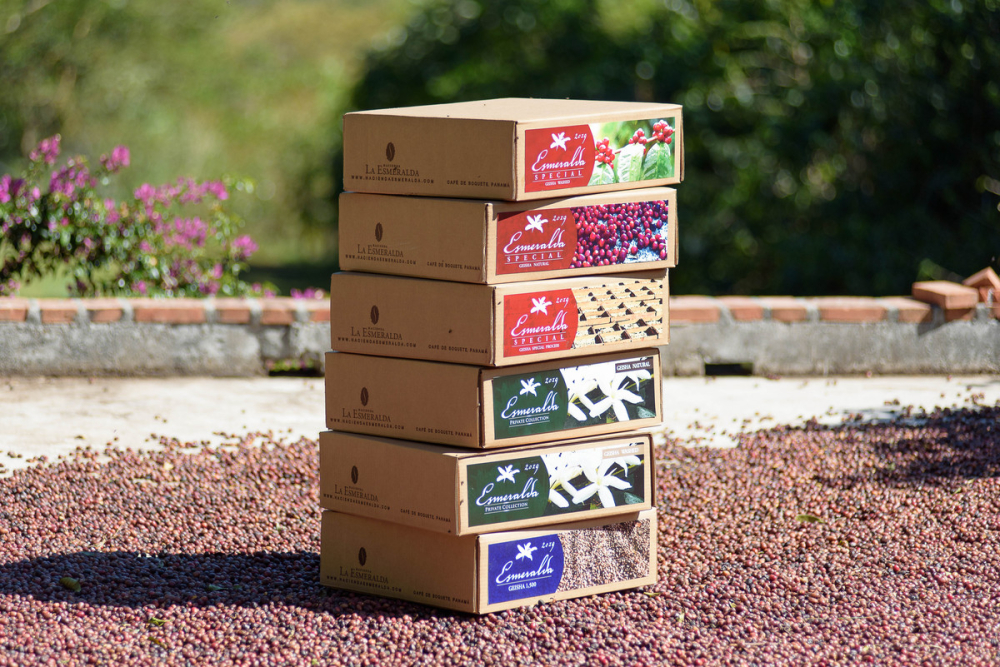
Red Label Geisha, also known as Esmeralda Special, is the highest grade of Geisha from Hacienda La Esmeralda. It is selected only from batches grown at 1600 to 1800 meters in the Jaramillo and Cañas Verdes regions, with cupping scores above 90. These Geisha beans are released only through the estate-hosted exclusive auctions, commonly referred to as “auction Red Label.” But sometimes consumers wonder, which is better — auction Red Label or non-auction Red Label? In fact, both come from the same high-quality plots; the only difference is whether they participated in the auction. The latter, though not publicly auctioned, still maintains a high standard. The industry suggests that if you’re not fixated on the auction status, Red Label Geisha is more than enough to showcase the classic flavors of Geisha, typically processed via natural or washed methods, and characterized by bright floral notes and citrus tones.
Green Label Geisha, also commonly known as Private Collection, though not part of the auction, is still a high-quality micro-lot blend, sourced from various plots such as Jaramillo and Cañas Verdes, also at altitudes between 1600 and 1800 meters. The biggest difference from Red Label is that Green Label is a multi-region blend, making it impossible to trace a single origin plot, so the flavor may vary slightly with each release. However, it often brings pleasant surprises and is described as “like buying a lottery ticket—you might get a batch close to Red Label performance.” Processing methods are mostly natural or washed, with washed Green Label often featuring jasmine and ginger flower aromas, bright acidity, a full body, and juicy mouthfeel.
Blue Label Geisha, also called Geisha 1500, uses a blend from altitudes of 1400 to 1500 meters, covering three plots: Jaramillo, Cañas Verdes, and El Velo. Its flavors are lighter, often exhibiting subtle floral notes, fruity acidity, and sweetness, with a relatively less intense profile, and it is processed only via washed method. It’s worth noting that Hacienda La Esmeralda has gradually phased out the Blue Label grade, and the market now primarily circulates Red Label and Green Label.
The above content is compiled by CoffeeHunters, a coffee news website.


