







Introduction:Darjeeling autumn flush black tea is renowned for its distinctive fruity aroma and coppery-gold hue, making it one of the most highly regarded seasonal teas in the tea world. This article delves into its harvest timing, flavor characteristics, grading system, and market price variations to help you identify the key traits of high-quality autumn flush tea and understand why it holds a unique place in the tea market.
Darjeeling autumn flush black tea is a rare, season-limited gem in the world of tea, harvested only for a brief period of less than thirty days between October and November each year. This scarcity contributes to its premium and high-priced market positioning. Compared to the bright and robust character of spring flush tea, autumn flush tea offers a smoother, sweeter profile with prominent fruity notes. The liquor showcases an enchanting coppery-gold color, with a well-balanced taste and a long, lingering finish.
What makes this tea most captivating is its delicate layers of fruity aroma, often accompanied by subtle notes of stone fruits or dried fruits. Upon tasting, it delivers a noticeable sweetness without any astringency, and the bright, clear liquor shines even when enjoyed plain—no milk or sugar needed to reveal its full flavor. Many seasoned tea enthusiasts note that autumn flush tea has a more restrained and gentle profile, unlike the bold intensity of summer flush tea, making it the top choice for those who appreciate nuanced flavors.
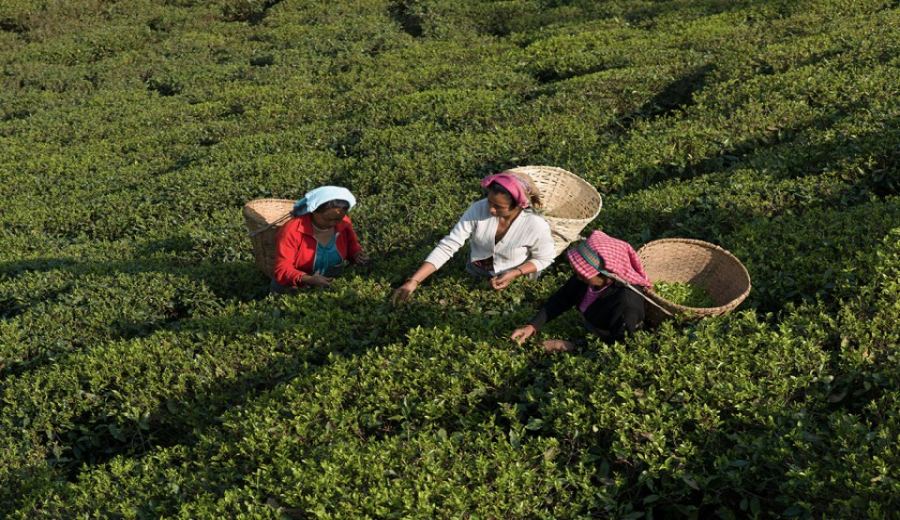
In terms of harvest timing, the leaves of autumn flush tea are generally plumper and thicker than those of spring flush tea, which is due to the cooler climate and slower growth rate of the tea bushes during that season. Tea farmers carefully hand-pick the leaves during a short optimal window to ensure each leaf reaches ideal maturity. This stringent selection process is also one of the main reasons why autumn flush tea is produced in such limited quantities.
Based on grading, Darjeeling autumn flush black tea is categorized into several grades according to leaf completeness, bud presence, and production techniques. Common grades include FOP (Flowery Orange Pekoe, with buds and leaves) and OP (Orange Pekoe, longer leaves). Generally, the higher the proportion of buds, the more refined the flavor and the higher the price. When purchasing, consumers can assess quality by observing the leaf’s integrity and color, as well as evaluating the brewed liquor’s appearance and taste.
In terms of pricing, due to the extremely limited production and the fact that it can only be harvested in a specific season, autumn flush tea is generally priced higher than other seasonal teas. While slightly more affordable than spring flush tea, autumn flush still falls within the high-end tea category—especially limited batches from well-known estates, which often fetch high prices at auctions. It’s worth noting that most autumn flush tea is not sold through public auctions but is instead directly allocated by estates to specific exporters or specialty retailers, resulting in relatively limited availability in the market.
For those looking to try autumn flush black tea, it’s recommended to choose products from reputable gardens such as Goomtee and Thurbo, which have long been known for their consistent quality. When brewing, use water at 90–95°C, with a tea-to-water ratio of about 1:50, and steep for 3–4 minutes to fully bring out its fruity and sweet characteristics. First-time drinkers might enjoy it plain to experience its naturally delicate and balanced flavor.
In summary, Darjeeling autumn flush black tea stands out as a must-try seasonal tea for tea collectors and enthusiasts alike, thanks to its unique harvest timing, refined flavor profile, and scarce availability. Whether enjoyed daily or given as a gift, it showcases exceptional quality and taste, serving as an important gateway into the world of premium black teas.
The above content is compiled by CoffeeHunters, a coffee news website.


