







Introduction:Darjeeling black tea showcases distinctly different flavor profiles across seasons—spring harvest offers bright floral notes, summer harvest presents intense muscatel, and autumn harvest delivers a rounded nuttiness, each with its own charm. This article breaks down the harvesting windows, appearance, and tasting notes of these three seasonal picks to help you choose your ideal Darjeeling based on taste preference.
Darjeeling black tea originates from the high-altitude tea regions at the foothills of the Himalayas in India, renowned worldwide for its distinctive seasonal flavors. The tea plants here can be harvested three times a year—spring, summer, and autumn—resulting in three uniquely styled teas. Whether you prefer refreshing floral and fruity notes or rich, bold flavors, you’ll find a favorite among these three seasonal harvests.
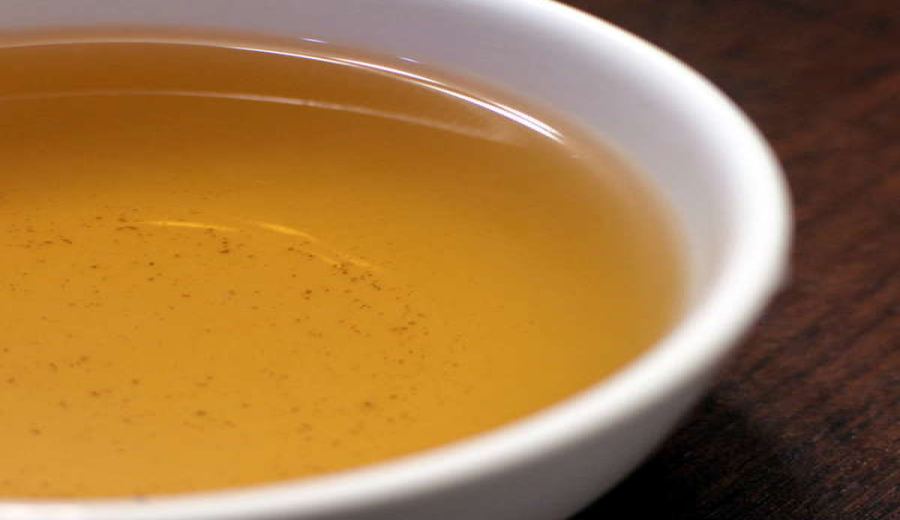
Spring harvest is typically picked between March and April, when the tea bushes have just emerged from their winter dormancy, yielding tender, vibrant new buds. The resulting black tea has a light liquor color, often with a warm amber hue, and a smooth, light mouthfeel. Floral notes are prominent, sometimes accompanied by subtle citrus or honey undertones. With relatively low oxidation, some spring teas even retain a hint of greenness, earning them the tea industry’s title of “champagne of teas.” It’s a treasured gem eagerly awaited by black tea aficionados each year.
Next comes the summer harvest, from May to June, when the tea bushes enter a rapid growth phase. The leaves and buds are more mature, with some tips adorned by silvery or pale purple downy fuzz. Summer tea produces a darker liquor with a richer, more robust flavor, often exuding a unique muscatel aroma alongside sweet notes of tropical fruit. This tea has a full body and layered complexity, making it ideal for those who enjoy strong flavors and intricate profiles.
Finally, the autumn harvest, from October to November, is the last picking before winter sets in. By this time, the leaves are thicker, with ample accumulated compounds. The brewed liquor takes on an enchanting copper-red hue, with a rounded mouthfeel and flavors of nuts and malt, followed by a long, smooth finish. Though not as fresh as spring tea or as vibrant as summer tea, autumn tea boasts a mellow, mature charm, perfect for slow, contemplative sipping.
Each of these three seasonal teas has its own unique allure—there’s no absolute good or bad, only personal taste preference. If you enjoy a light, floral cup, spring harvest is your go-to; for intense fruity flavors and a bold mouthfeel, summer harvest fits the bill; and if you prefer a smooth, mellow experience with a lingering finish, autumn harvest is an excellent choice. Understanding the harvesting periods and flavor characteristics of each seasonal tea will help you make a more palate-aligned decision when selecting Darjeeling black tea.
The above content is compiled by CoffeeHunters, a coffee news website.


