







Introduction:Darjeeling and Assam are the two most representative black tea producing regions in India, yet each boasts a unique character. What are the clear differences between these two types of black tea in terms of terroir, flavor profiles, liquor color, recommended brewing methods, and price levels? This article provides an in-depth comparison from multiple perspectives to analyze their core characteristics and help you find the type of black tea that best suits your taste.
The Darjeeling and Assam black tea regions are located in different geographical zones of India, giving rise to their distinct flavor profiles. Darjeeling is situated in the high-altitude mountainous areas at the southern foothills of the Himalayas, where the climate is cool with significant day-night temperature variations. This environment slows down the growth of tea plants, allowing the leaves to accumulate rich aromatic compounds, resulting in a unique delicate floral aroma and fresh spicy notes. In contrast, Assam is located in the low-altitude regions of the Brahmaputra River basin, characterized by a hot and humid climate, along with the area’s uniquely fertile alluvial clay soil, which promotes vigorous tea plant growth. As a result, Assam black tea is known for its bold, full-bodied flavor and thick liquor.
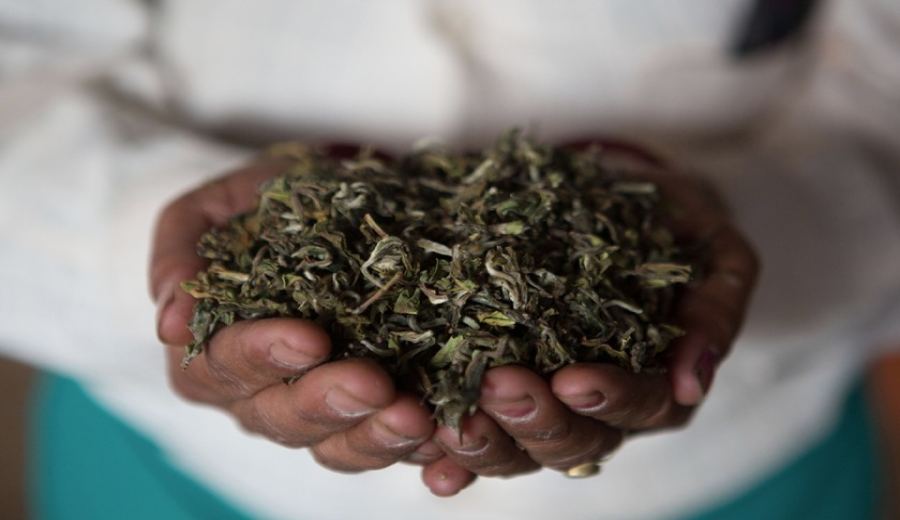
In terms of dry leaf appearance, Darjeeling tea leaves are generally more slender and refined compared to those of Assam. Especially the “First Flush Darjeeling” harvested in spring, the leaves are small and often covered with silvery-white tips. Although most of these fine hairs fall off during processing, they remain one of the indicators of quality. Assam tea leaves, on the other hand, are typically larger and thicker, with a tightly structured bud-leaf composition. The dry tea has a coarser, more rugged appearance, showcasing the distinct traits of large-leaf varietals. Observing the shape of the tea leaves is one of the key initial ways to distinguish the two.
Regarding the brewed liquor, Assam black tea usually presents a deep amber to reddish-brown color, with rich depth and good clarity. The taste is smooth, with a solid sweetness and a hint of maltiness. Darjeeling tea liquor, on the other hand, tends to be golden to orange-yellow, bright and clear. Though not as deep as Assam, it offers excellent translucency and a visually fresher appearance. It’s worth noting that experienced tea merchants point out that Darjeeling tea shows relatively smaller changes in liquor color across multiple infusions, indicating a more stable release of its internal components.
Flavor is where the differences between Darjeeling and Assam are most pronounced. Darjeeling black tea is often described as having the reputation of a “garden of aromas.” Especially in the spring season, the tea liquor exhibits distinct fruity and floral notes such as honey, citrus, white peach, or delicate rose aromas, accompanied by a touch of fresh spice like mint or bergamot tones. Its flavors are intricate and variable, hence it is recommended to enjoy it plain to fully appreciate its layered complexity. In contrast, Assam black tea has a bolder and more robust flavor, often featuring notes of nuts, caramel, malt, and earthiness. The taste is full-bodied with a mild sweetness, making it highly suitable for adding milk and a bit of sugar. It is also one of the classic bases for traditional English-style milk tea.
In terms of recommended brewing methods, Darjeeling is best brewed with slightly lower water temperatures (around 85°C to 90°C), and the infusion time should be controlled within 2 to 3 minutes. This helps avoid extracting too much tannin due to high heat, which can lead to bitterness, while preserving its delicate aromas. Brewing vessels such as glass or porcelain teapots are suitable, as they help observe the tea liquor color and the release of aromas. Assam, on the other hand, can withstand higher water temperatures (around 95°C to 100°C) and benefits from a slightly longer steeping time (3 to 5 minutes), which allows its rich flavors to fully develop. If used for preparing milk tea, it is recommended to brew a strong concentrate first, then add milk and sugar to balance the overall flavor.
From the perspective of production volume and price positioning, Assam is the largest black tea producing region in India. Statistics show that India’s annual tea production is about 900 million kilograms, of which Assam alone accounts for over 600 million kilograms. Its high output makes its market price relatively affordable, making it a top choice for many consumers’ daily consumption. Darjeeling, however, accounts for only a small portion of India’s total tea output. Moreover, its tea gardens are mostly located on high-altitude steep slopes, relying entirely on manual harvesting. With its main production seasons concentrated in spring and summer, the yield is limited. The tea-making process is meticulous, which is why its price is generally higher than that of Assam. In particular, the “First Flush Darjeeling” from high-altitude regions is considered a premium-grade black tea, ideal for tea enthusiasts who seek quality and deep flavor complexity.
In summary, if you prefer a black tea with delicate aromas, refreshing flavors, and are willing to savor the layered nuances of the liquor, Darjeeling is the better choice—especially when enjoyed plain to experience its unique fruity, floral, and spicy notes. If you enjoy a bold, full-bodied liquor with sweetness and earthy undertones, and prefer to drink it with milk or sugar, Assam black tea can better meet your needs. It is also more affordable and suitable for everyday drinking. Understanding the characteristic differences between these two major regions can help you make a more personalized and satisfying choice when purchasing black tea.
The above content is compiled by CoffeeHunters, a coffee news website.


