








Introduction:Want to explore the unique flavors of coffee beans from around the world? This article takes you on a journey through six renowned coffee-producing regions — Brazil, Indonesia, Colombia, Ethiopia, Kenya, and Jamaica — offering an in-depth analysis of the flavor profiles of coffees from each area, along with practical purchasing advice. Whether you’re a beginner just starting out or a coffee enthusiast looking for high-value everyday beans, you’ll be able to find your ideal match here.
For those new to the world of coffee, understanding the flavor characteristics of major global producing regions is a key foundation for developing your coffee palate. Different regions, due to variations in climate, altitude, soil, and processing methods, produce coffee beans with distinct profiles. Generally speaking, African regions are known for bright, vibrant acidity often accompanied by fruity and floral notes; Asian regions are celebrated for their full body, herbal, and earthy tones; while the Americas are widely loved for their balanced profiles of nuts, chocolate, and caramel aromas. Below, we will introduce the coffee characteristics of Brazil, Indonesia, Colombia, Ethiopia, Kenya, and Jamaica in order, accompanied by practical recommendations and tasting references.
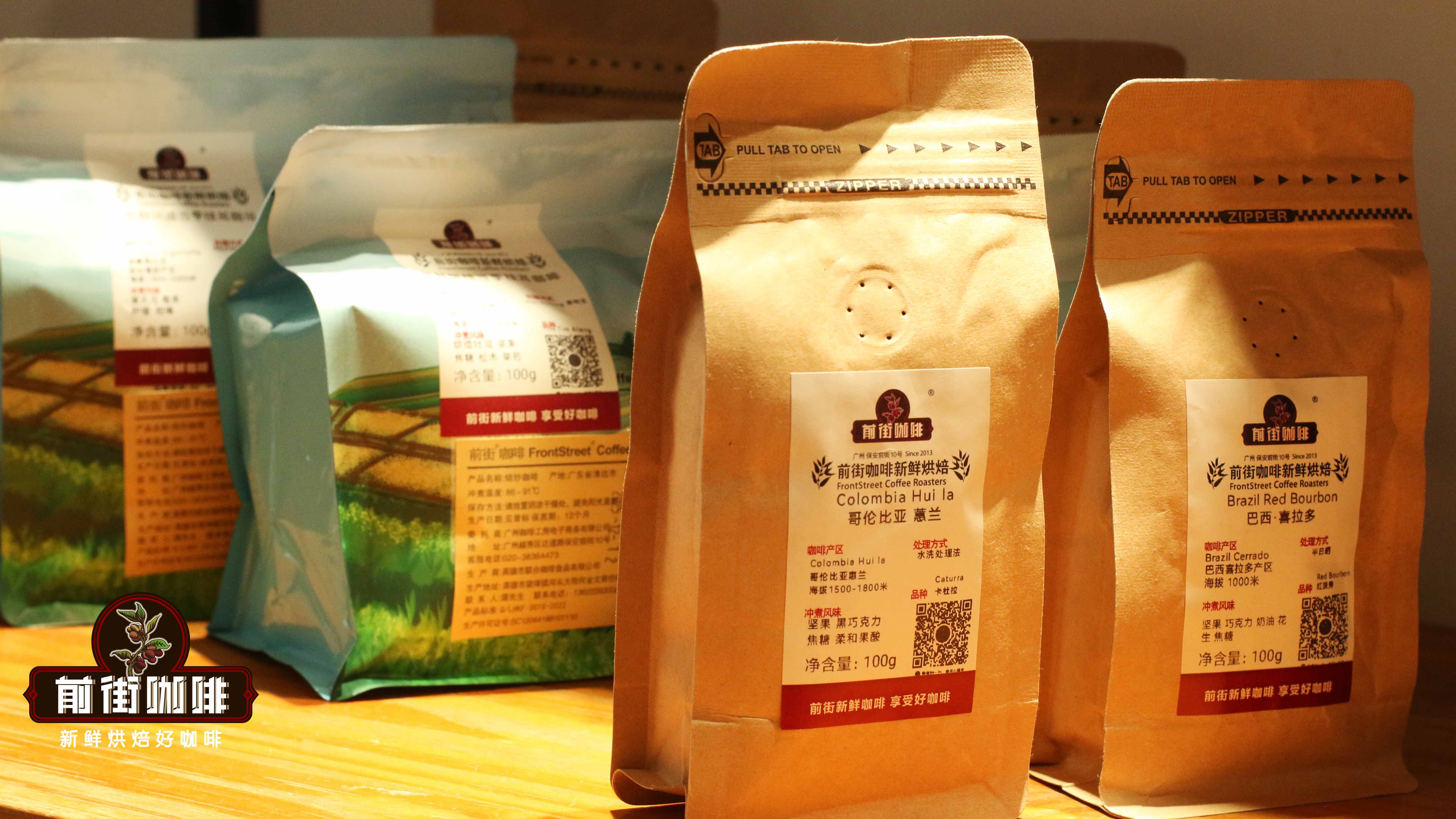
As the world’s largest coffee producer, Brazil accounts for approximately one-third of global production, primarily cultivating Arabica and Robusta varieties. The country’s coffee is known for its smooth, mellow character, with soft acidity and a well-balanced bitterness and sweetness. Its flavors are gentle, featuring notes of chocolate, nuts, and caramel, making it an excellent base for coffee blends. Common flavor profiles include a sweet caramel note, low acidity, and a rich body — especially appealing to those who prefer a stable, consistent taste. It is recommended to try Brazilian beans from the Cerrado region, which offer pronounced nutty aromas and soft acidity, or those made from the higher-altitude Red Bourbon variety, where you can more clearly appreciate their rich and refined qualities.
Indonesia is one of the few places in the world that cultivates both Arabica and Robusta beans, with a coffee history dating back to the Dutch colonial era. Major producing areas include Sumatra, Java, and Sulawesi, among which Sumatra’s Mandheling is the most representative. Indonesian beans are commonly medium to dark roasted, yielding a full-bodied, low-acid cup with strong herbal, spicy, and earthy notes. Some products even exhibit the unique flavors resulting from wet-hulling processing. The famous 'Mandheling' variety is known for its intense body and spicy finish, making it ideal for those who prefer a heavier mouthfeel. For a classic Indonesian experience, it is advisable to choose high-altitude, washed-processed beans to better appreciate their layered herbal and spicy characteristics.
Colombia, the world’s fourth-largest coffee producer, is highly regarded in the market for its consistent quality and balanced flavor. The country’s coffee is grown in the Andes mountain region, benefiting from ideal altitudes and microclimates that contribute to its mild and smooth character. Colombian coffee typically features gentle fruit acidity, moderate sweetness, and a dark chocolate-like aftertaste. Overall, its flavor profile is well-balanced and easy to enjoy, earning it accolades from many experts as the “gentleman of coffees.” The Huila region, with its higher elevation and mature processing techniques, often produces beans with clear citrus acidity and wine-like undertones — making it an excellent choice for beginners wanting to explore Central and South American flavors.

Ethiopia is regarded as the birthplace of coffee, with over one-third of the world’s coffee varieties originating from this region. About 15% of the population relies on the coffee industry for their livelihood, highlighting its cultural significance. The country boasts a wide variety of coffee types, mostly heirloom varieties, and offers an incredibly diverse range of flavor profiles. Bright citrus acidity, floral notes, and tea-like qualities are common, particularly in highland regions such as Yirgacheffe and Sidamo. Ethiopian coffee is often processed using natural or honey methods, which intensify its fruity aromas. Some high-quality single-origin beans even exhibit complex layers such as blueberry and honey. For coffee lovers eager to explore fruity and floral depth, Ethiopian beans are definitely an unmissable choice.
Although Kenya has a relatively short history of coffee cultivation, its specialty coffee has earned high praise in the international market. Kenyan coffee is famed for its unique tartaric acidity reminiscent of cherry tomatoes — bright yet not overly sharp, paired with intense berry and blackcurrant flavors, and often finishing with grapefruit and syrupy sweetness. The country employs a two-tier grading system and auction structure to ensure consistency and high standards of quality. The tomato-like acidity of Kenyan beans makes them especially appealing to those who enjoy a balance of sour and sweet, as well as explosive fruit flavors, making them a favorite among many pour-over enthusiasts.
Jamaican Blue Mountain coffee is widely recognized as one of the finest coffees in the world. It is grown exclusively in the Blue Mountains at elevations between 1,000 and 1,700 meters, and its unique geographical environment contributes to its unparalleled flavor. Blue Mountain coffee is known for being sweet, full-bodied, low in acidity, and well-balanced. It has a smooth, delicate mouthfeel with almost no bitterness or astringency, and a finish that carries soft notes of nuts and chocolate. Authentic Blue Mountain coffee must meet strict criteria regarding origin and altitude, which is why it is produced in limited quantities and commands a relatively high price. But for coffee lovers seeking the ultimate in quality, it is absolutely worth trying.
If you wish to explore the flavors of multiple regions on a reasonable budget, there are also many high-value-for-money ‘everyday beans’ available on the market. These beans typically retain the core flavor characteristics of their places of origin and offer stable quality at moderate prices. Common recommendations include Brazilian Red Bourbon with nutty and chocolatey notes, Yirgacheffe with balanced sweet and sour profiles, fragrant Colombian Huila, full-bodied and herbal Indonesian Mandheling, fruity and clear Costa Rica Tarrazú, as well as Yunnan small-grain coffee with unique regional traits. These options are suitable for daily drinking and can also help you gradually develop the ability to distinguish the flavors of different regions.
The above content is compiled by CoffeeHunters, a coffee news website.


