








Introduction:Although Panama is not the birthplace of coffee cultivation, it has achieved high-quality specialty coffee through its unique geographical conditions and meticulously selected processing methods. This article will delve into Panama’s three core coffee-growing regions, the Best of Panama (BOP) competition mechanism, and introduce you to the uniquely flavored Geisha beans, while also providing professional pour over recommendations and parameters to help you appreciate their fresh, fruity, and floral notes.
Walk into any specialty coffee shop, and Panamanian beans always have a place on the menu—ranging from affordable entry-level options to auction-grade, high-priced Geishas. This piques the curiosity of many coffee newcomers about their differences and allure. This article will take you on a journey to explore how Panama transformed from an emerging coffee origin into a holy grail for global specialty coffee enthusiasts.
Panama’s coffee cultivation history dates back to 1742, when the first coffee beans are recorded to have arrived in Portobelo aboard a ship from Martinique in the French Caribbean. However, it wasn’t until after 1780 that coffee truly took root, when Pedro Antonio de Ayarza attempted to grow it locally but was hindered by climate and soil limitations. It wasn’t until the 1820s that coffee gradually became widespread in other parts of Panama, eventually replacing chocolate as the primary beverage. Situated in Central America, bordered by Costa Rica to the west and Colombia to the east, Panama lies between the Caribbean Sea and the Pacific Ocean, especially in the Boquete Valley at elevations above 6,500 feet, where microclimates are diverse, temperatures and humidity are moderate, and volcanic soils nourish the land—allowing coffee cherries here to develop a rich and distinctive aromatic profile.
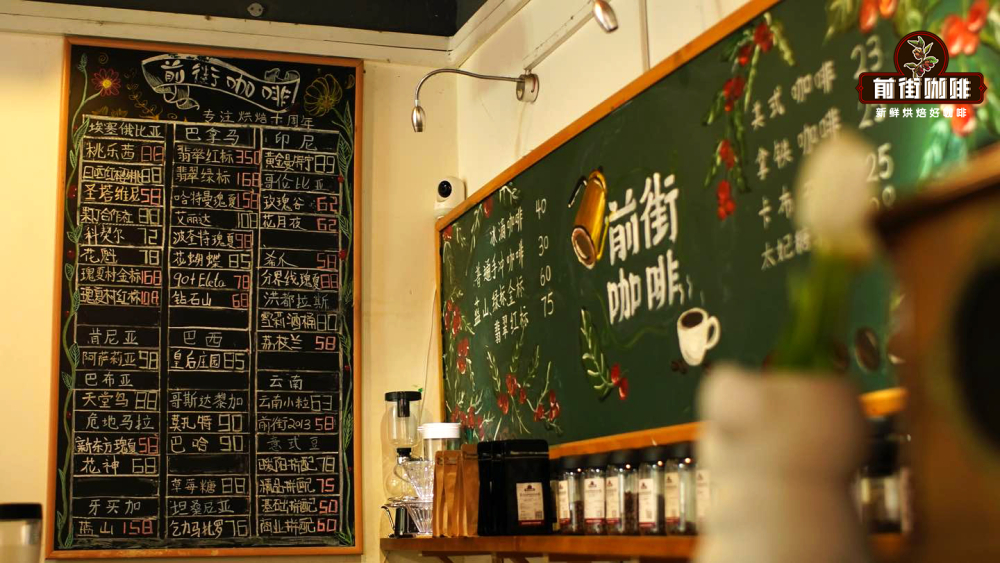
The Panamanian coffee industry reached a turning point in the late 20th century. With the construction of the Panama Canal and the southward migration of American elites, many investors with management and capital capabilities—such as plantation owners previously in banking, engineering, and other industries—began investing in coffee cultivation. They introduced refined management practices, including altitude-zoned planting, hand-picked harvesting, and meticulous post-harvest processing, all of which became crucial cornerstones for Panamanian coffee’s rise on the international stage.
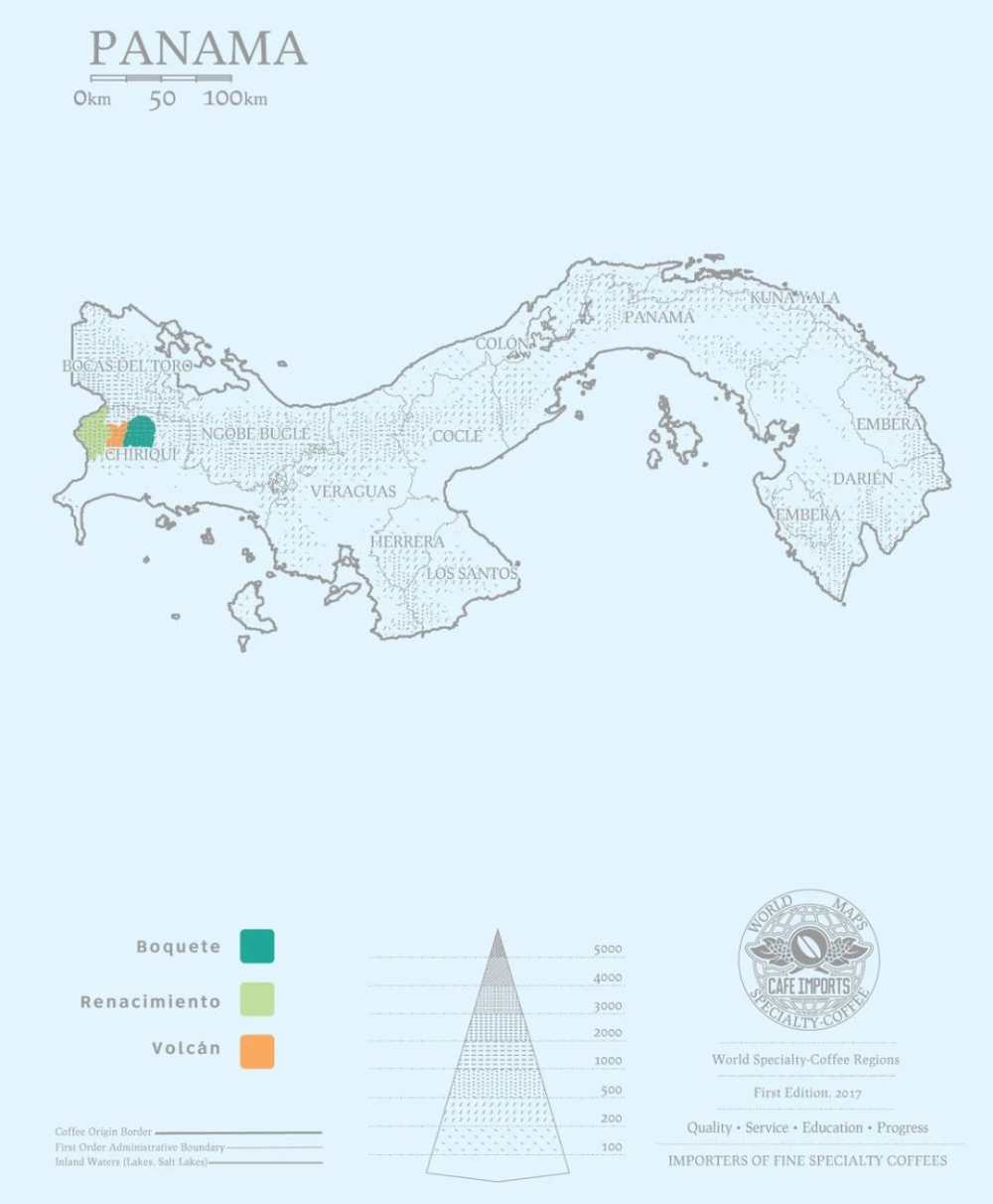
Currently, Panama’s coffee cultivation area spans over 20,000 hectares, with more than 16,000 hectares dedicated to Arabica varieties, primarily concentrated in the three major regions of Chiriquí Province in the west: Boquete, Volcán, and Renacimiento. These three regions are all located along the Central American Ridge, near the Barú Volcano, at high altitudes with cool climates and fertile volcanic soils—ideal for coffee growth. Among them, the Boquete Valley is regarded as the birthplace of Panamanian coffee, having attracted European immigrants for cultivation as early as the late 19th century. It still hosts around 50 to 75 coffee farms and 15 processing facilities, making it a cradle of specialty coffee.
Covering an area of approximately 514 square kilometers with a population of about 15,000, Boquete produces not only coffee but also flowers, citrus fruits, strawberries, and various vegetables. Most coffee plantations are located at high altitudes of around 1,600 meters, where the soil is rich in organic matter. Coupled with the region’s unique microclimate—frequent thin fog and light drizzle in summer—the ripening process of coffee cherries slows down, aiding the accumulation of flavor compounds and resulting in coffee with medium to high acidity and layered complexity. Notably, during harvest season (September to December), the indigenous Gnobe Bugle people also participate in picking. Their expert skills and familiarity with coffee make them an indispensable asset during the season.
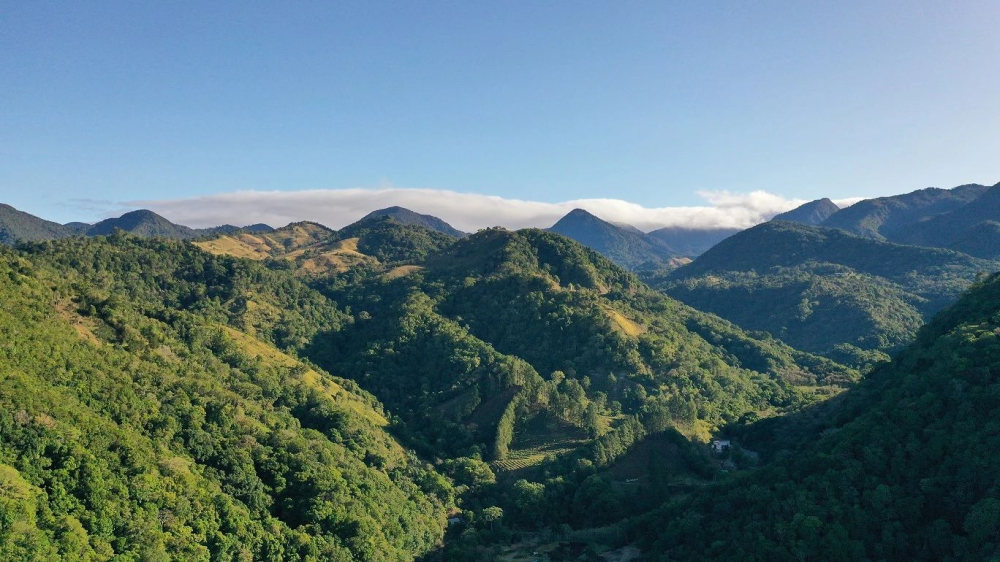
Looking back to 1989, when the International Coffee Agreement collapsed and global coffee bean prices plummeted, Panama was also severely impacted. Faced with challenges in the commercial coffee market, Panama established the Specialty Coffee Association in 1996 through the joint effort of seven local estates. They held the first coffee green bean competition and online auction, officially embarking on a path toward specialty production. This shift not only rescued the local industry but also cemented Panama’s position in the global specialty coffee market.
Among these, none is more iconic than the “Best of Panama” (BOP) competition, one of the oldest coffee green bean evaluation and auction events in the world. Each year, estates submit carefully selected coffee batches for review. A professional judging panel follows a rigorous blind tasting process, scoring based on aroma, flavor, aftertaste, acidity, body, and balance. The highest-scoring Geisha and non-Geisha categories are further divided into natural and washed processes, and are ultimately auctioned to global buyers. In recent years, champion lots have even fetched bids exceeding $1,000, becoming a focal point of the industry.
Since its inception, the BOP competition has prioritized the Geisha variety due to its consistently outstanding flavor performance, with judges specifically evaluating Geisha separately from other varieties. In 2022, the natural Geisha from Guava Y Sabor Estate scored 95.96, taking first place in the Geisha category, while the washed Geisha from Aurora Estate scored 96.15, defending its title in the washed category—demonstrating Panama’s excellence with this variety.
When it comes to Geisha, many coffee enthusiasts first think of its unique floral and fruity notes. A well-known coffee brand’s washed Geisha from the Boquete region is a classic example. The washed process involves removing the coffee cherry’s skin and pulp, then fermenting the mucilage-covered beans in water for about 24 hours before washing and drying them to around 12% moisture content, and finally removing the parchment. This method preserves a bright, clean acidity and a crisp flavor profile, highlighting Geisha’s white floral, citrus, and lemon notes, along with subtle green tea aromas—delivering a refreshing and layered cup.
To fully showcase Geisha’s delicate flavors, a medium-light roast is recommended, along with precise pour over parameters to bring out its potential. A professional roaster from a specialty coffee brand suggests using a V60 filter cone with the following settings: 15 grams of coffee, a 1:15 coffee-to-water ratio, and a grind size of about 80% through a #20 sieve (similar to coarse sugar). Water temperature should be controlled at 91–92°C. The extraction is done in three stages: first, pour 30 grams of water for a 30-second bloom, then add 120 grams of water to raise the coffee bed, and finally use a slow stream to pour 90 grams of water to complete the extraction, totaling about 240 grams of water with an extraction time of around 2 minutes and 10 seconds. This method helps improve extraction efficiency, highlighting Geisha’s sweet acidity balance and refined aftertaste.
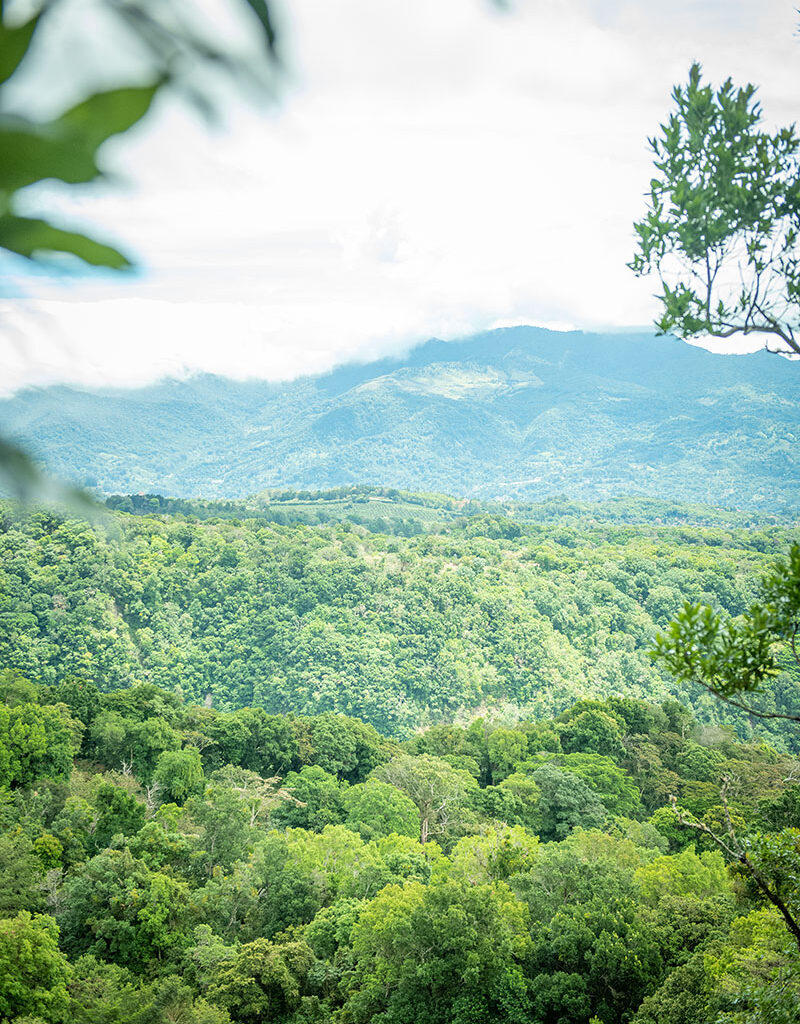
The brewed Panamanian washed Geisha offers a bright acidity of citrus, lemon, and bergamot upon entry, followed by a creamy mouthfeel in the mid-palate, and finishes with a sweet aftertaste of green tea and honey. The overall flavor is layered and long-lasting. It’s not only ideal for coffee beginners to experience the charm of specialty beans but also a great choice for advanced enthusiasts to appreciate regional and processing nuances.
Whether you’re new to Panamanian coffee or already familiar with Geisha’s distinctive flavors, exploring its regional background, competition mechanisms, and pour over techniques will deepen your appreciation and allow you to connect more with the terroir of this highland in Central America.
The above content is compiled by CoffeeHunters, a coffee news website.


