








Introduction:For beginners looking to brew a delicious pour over coffee at home, choosing the right filter cone is actually one of the key factors. Although they may look similar, the Hario V60 and Kono filter cones differ significantly in structural design, water flow rate, and extraction performance, which in turn affects the final flavor profile of the coffee. This article takes an in-depth look at the characteristic differences between these two popular conical filter cones and provides selection suggestions based on different roast levels and flavor profiles of coffee beans, helping you find the most suitable first filter cone for yourself.
Enjoying a pour over coffee with its own unique flavor at home has become a daily ritual for many coffee enthusiasts. And throughout the entire pour over process, the choice of filter cone plays a pivotal role in extraction efficiency and flavor presentation. Especially the Hario V60 and Kono—two conical filter cones that look similar but are designed with very different philosophies—are often the most common selection dilemma for beginners.
The Hario V60 is the go-to choice for many pour over beginners. Its most notable feature is the large circular pour hole at the rim of the cone, paired with a spiral-shaped inner rib structure. These ribs not only help guide the water flow but also prevent the filter paper from sticking tightly to the walls of the cone, allowing air to circulate smoothly and accelerating the drainage process, thereby reducing the risk of over-extraction of the coffee grounds. By flexibly adjusting the pouring speed and technique, you can easily highlight a coffee with a clear, bright, layered profile and rich aroma.

If you prefer a coffee with a refreshing mouthfeel, delicate flavors, and layered complexity—such as beans with citrus, floral, or tea-like characteristics—the V60 will be the more suitable choice. It is especially recommended to pair with single-origin beans that have vivid flavors and vibrant acidity, such as the Granja La Esperanza Geisha, Panama Geisha, Sidra, or the 2013 Yunnan Peaberry, allowing their exquisite aromatic profiles to be fully expressed.
In contrast, the Kono filter cone adopts a straight, radial groove design. This causes the filter paper to sit closer to the inner wall of the cone after placement, reducing the space for air circulation and slowing down the water flow rate. This characteristic extends the brewing time, giving the coffee grounds more contact time with water to release a richer array of compounds, including more body, sweetness, and a caramel-like finish.
Therefore, the Kono is better suited for brewing medium to dark roast and even dark roast coffee beans, especially those that inherently possess chocolate, nut, or caramel aromas. Beans such as PWN Golden Mandheling, Queen Estate, or Colombian Huila, when brewed using the Kono filter cone, often deliver a thicker, smoother, and more full-bodied mouthfeel.
If you usually enjoy coffee with a rich mouthfeel and a long-lasting aftertaste, the Kono will meet your expectations for body and flavor intensity. However, it’s worth noting that due to the slower water flow rate, more attention should be paid to the combination of water temperature and grind size during brewing to avoid over-extraction, which can lead to the emergence of bitterness.
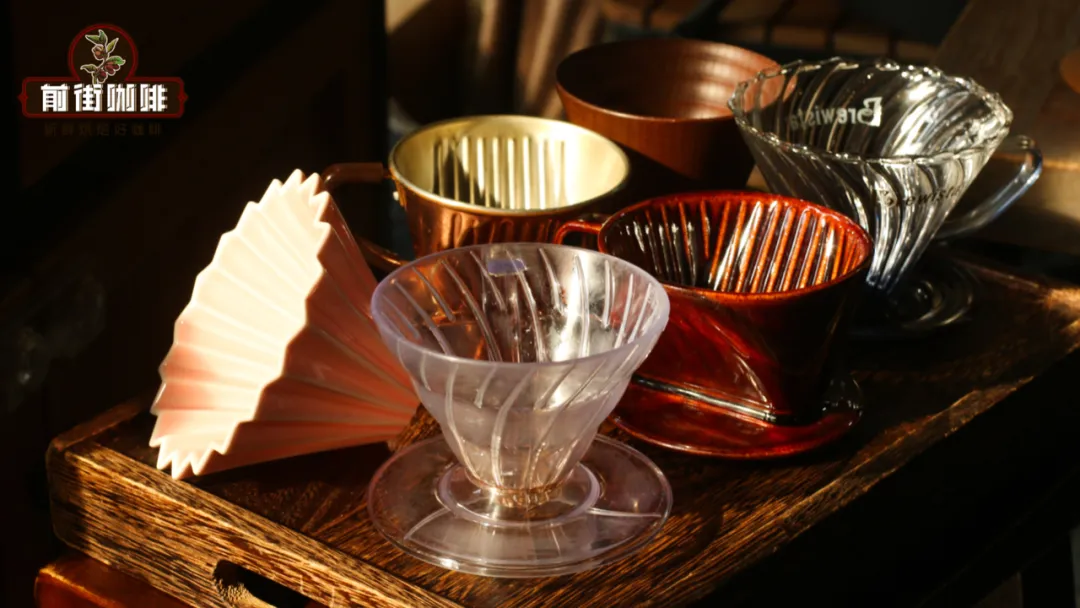
In summary, although both the V60 and Kono belong to the category of conical filter cones, they differ markedly in structure, filtration efficiency, and the resulting coffee characteristics. The V60 is ideal for users who pursue clear flavors, a refreshing mouthfeel, and high aromatic expression, while the Kono excels at presenting a coffee style that is rich, full-bodied, and has a lingering finish. It is recommended to choose the most matching filter cone based on your preferred type of coffee and taste preference, so you can truly enjoy the endless pleasures of pour over brewing.
The above content is compiled by CoffeeHunters, a coffee news website.


