








Introduction:Want to describe the citrus, floral, and oolong tea notes in coffee as delicately as a professional barista? The key lies in systematic training of your sense of smell and taste. This article takes you through the principles of sensory perception, analyzing how taste buds and both orthonasal and retronasal olfaction work together. We’ll break down the seven key tasting dimensions—aroma, sweetness, acidity, and more—and provide practical methods for building a flavor memory bank, association training techniques, and dietary care tips to help beginners develop their own personalized coffee sensory system.
Many newcomers to specialty coffee are often amazed when others can detect citrus, jasmine, or even oolong tea notes in a cup of coffee: “Are there really that many flavors?” In fact, the key to identifying coffee flavors isn’t the taste buds—it’s the sense of smell. This article will start with the science of sensory perception, guiding you to understand how taste buds and both orthonasal and retronasal olfaction work in harmony. We’ll also delve into the core tasting aspects—aroma, sweetness, acidity, mouthfeel, flavor, aftertaste, and balance—while offering beginner-friendly sensory training methods to help you gradually build your own flavor description skills.

It’s common to hear coffee enthusiasts describe a coffee like this: “This bean has a distinct fruity profile, with notes of citrus, lemon, oolong tea, and jasmine!” For beginners, this might sound like pure fantasy—how can a single cup of coffee contain so many diverse flavors? The secret lies in the involvement of our sense of smell. Our taste buds can only perceive five basic tastes: sour, sweet, bitter, salty, and umami, with umami being extremely rare in coffee and saltiness often masked by other flavors.
Notably, different areas of the tongue vary in sensitivity to specific tastes: the tip is more attuned to sourness, the sides near the tip are more sensitive to saltiness, and the back primarily detects bitterness. As for flavor identification, it mainly relies on our sense of smell. You might wonder, “Can you still smell flavors after swallowing?” The answer is yes. When flavor molecules in coffee, carried by oils, enter the mouth, some travel up to the nasal cavity during swallowing—a phenomenon known as retronasal olfaction. Direct detection through the nose is called orthonasal olfaction. Together with our flavor memory, these elements form our complete perception of coffee’s taste.
So, what aspects do we typically use to discuss coffee flavors? The main dimensions include aroma, sweetness, acidity, mouthfeel, flavor, aftertaste, and balance—seven key elements. First is aroma, which can be divided into dry aroma and wet aroma: dry aroma refers to the scent released when coffee beans are ground, while wet aroma is the fragrance emitted by the brewed coffee liquid. Interestingly, the dry and wet aromas of the same coffee bean can be quite different, as some aromatic molecules require specific temperatures to fully release. Take the Emerald Estate Green Label Geisha, for example—its dry aroma might present a sweet, sugarcane-like note, while the wet aroma shifts to an elegant jasmine-like fragrance.
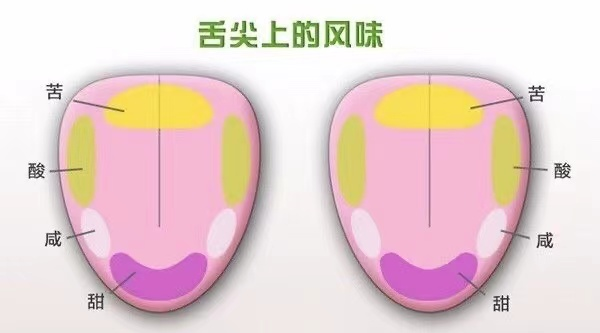
Cleanliness falls under the retronasal olfaction category and refers to whether the coffee has no obvious defects or unpleasant off-flavors. High-quality coffee should avoid earthy or woody notes that are off-putting. Sweetness is perceived by the taste buds, and a coffee with excellent sweetness often receives higher praise. This sweetness doesn’t have to be as intense as cane sugar—it’s often more evident in the lingering aftertaste. The intensity of acidity can be judged by the amount of saliva secreted from the sides of the tongue: the stronger the acidity, the more saliva is produced. Premium coffee typically exhibits a fresh, gentle fruit acidity, while lower-quality coffee may release harsh, vinegar-like notes.
Mouthfeel is evaluated through oral tactile sensations, including body, smoothness, and astringency. Body can be likened to the varying levels of lightness (skim milk), fullness (whole milk), to richness (cream). Astringency, caused by polyphenolic compounds, creates a rough texture that can severely detract from the overall coffee experience. Flavor and aftertaste combine taste and smell into a holistic sensation, with aftertaste specifically referring to the lingering aromas and tastes in the mouth after swallowing. A long-lasting, pleasant aftertaste is a hallmark of high-quality coffee—for instance, the Green Label Geisha often leaves behind a sustained floral and green tea aroma.
Balance relates to the harmony of all these elements, such as whether acidity and bitterness are overly pronounced. If you’re a beginner looking to systematically develop your flavor description skills, we recommend starting with building a flavor memory bank. Many people wonder why baristas can quickly identify flavors—the key is their extensive experience with real-life smelling and tasting. We suggest referring to the SCAA Coffee Taster’s Flavor Wheel and exploring each listed item, such as strawberries or lemons, to establish a sensory foundation.
When using the flavor wheel, pay attention to its scientific classification logic: citric acid and acetic acid are grouped under acidity, lemon and citrus under citrus fruits, berries and apples under other fruits, honey and caramel under sugars, and chocolate and nuts under the nut and cocoa category. The wheel as a whole transitions from green herbs to yellow fermented acidity, red fruits, pink florals, orange sugars, and finally brown nuts and cocoa—clearly reflecting the typical flavor profiles of coffees at different roast levels. Light roasts often showcase acidity, fruit, and floral notes; medium roasts focus on sugars, berries, and dried fruits; while dark roasts emphasize brown sugar, nutty, and spicy tones.
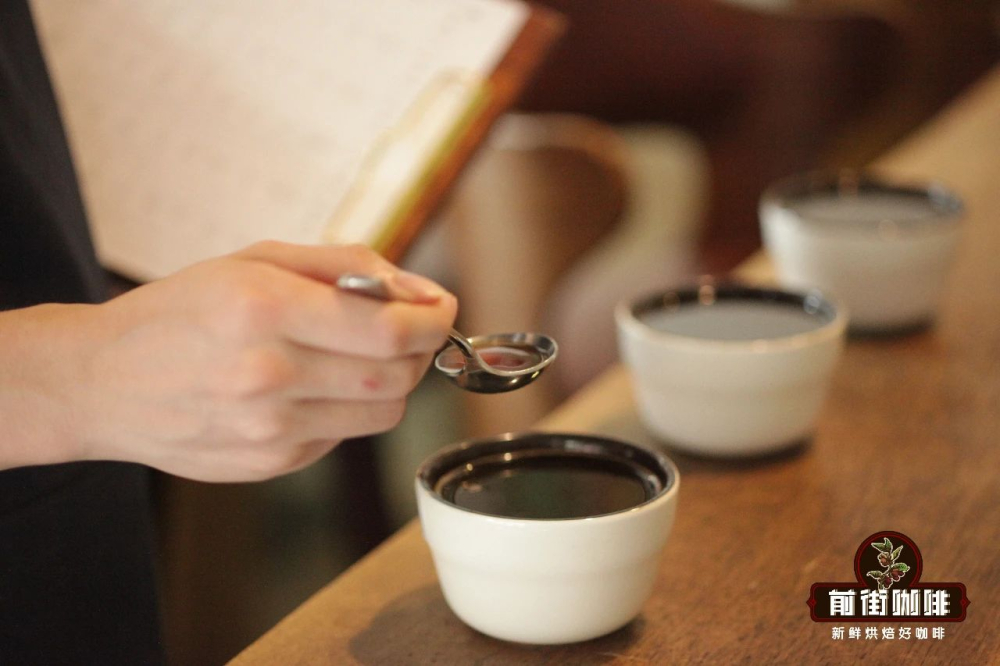
During training, it’s crucial to engage your imagination appropriately. For example, when describing Yirgacheffe, you might capture its floral and berry aromas, paired with citrus-like acidity, honey sweetness, and green tea aftertaste. While you don’t need 100% precision, aiming for 70–80% similarity is a great start. Additionally, discussing flavor perceptions with others can help calibrate your own judgment—different cultural backgrounds may use varying analogies (e.g., foreign tasters might describe flavors with redcurrant, which is less familiar domestically). Lastly, maintaining healthy taste buds is essential: reduce intake of spicy and alcoholic foods to avoid dulling your taste sensitivity, allowing you to better capture the subtle flavor nuances in coffee.
The above content is compiled by CoffeeHunters, a coffee news website.


