








Introduction:Although Dirty coffee and lattes are both popular choices in cafés, they differ significantly in brewing techniques, temperature application, and flavor presentation. This article delves into the core distinctions between the two—from their characteristics as hot or cold drinks, their visual layering effects, the milk-to-espresso ratio, to the correct way of savoring them—helping you grasp the essence and nuances of these two classic beverages. Whether you’re a beginner or a seasoned coffee enthusiast, you’ll find practical guidance here.
When walking into a café and facing a dazzling menu, many people often hesitate between options like Dirty, latte, and Americano. These seemingly similar coffee drinks actually vary in recipe, process, and taste. Particularly between Dirty and latte, not only are there obvious visual differences, but their drinking methods and temperature designs also differ greatly. This article will thoroughly analyze the differences between these two classic coffees, helping you better understand the craftsmanship and flavor logic behind them.
First, Dirty coffee is a cold drink series, and its most distinctive feature is that it is “not stirred,” emphasizing the visual and taste contrast between the layered coffee and milk. The typical method involves pouring about 160 milliliters of ice-cold milk into a pre-chilled cup, and then using the coffee machine’s spout close to the liquid surface to directly pour two shots of high-concentration espresso onto the top of the milk. The density difference naturally creates a clear layered effect.
In contrast, a latte is a classic hot drink (though iced lattes are also an option), primarily based on hot milk and espresso, with a usual ratio between 1:5 and 1:8, adjusted according to customer preference. Lattes include steamed milk foam, and when served at room temperature or heated, the milk and coffee are thoroughly mixed, resulting in a smooth and mellow texture—ideal for those who enjoy a balanced flavor of milk and coffee.
From a brewing parameter perspective, both drinks are based on espresso. A common double shot (Double Espresso) uses 19 to 20 grams of coffee grounds to extract 35 to 40 grams of espresso, over approximately 28 to 35 seconds. If using a single shot (Single Espresso), around 11 to 12 grams of coffee grounds are needed to extract 20 grams of liquid, with a time frame of 18 to 23 seconds. These extraction conditions may vary slightly depending on the machine and grinder performance, so slight adjustments based on actual conditions are recommended.
The reason Dirty coffee particularly emphasizes “drinking in big sips” is because it is designed so that the first sip allows the drinker to experience the intense flavor of the top-layered espresso and the smoothness of the bottom ice-cold milk simultaneously. As you continue drinking, the two gradually blend, revealing layers of flavor progressively. The no-stirring design is precisely to preserve this gradual taste experience.
On the other hand, since the milk and coffee in a latte are already pre-mixed, the overall flavor is more unified, with a smooth and gentle texture, making it suitable for savoring slowly. In terms of temperature, Dirty is almost always a cold drink, emphasizing freshness and layering, while lattes are mostly hot drinks, focusing on warmth and comfort. There are also many consumers who prefer iced lattes, making them a popular choice in summer.
In flavor description, Dirty, by using ice-cold milk and direct espresso pouring, often carries a distinct coffee acidity, rich extraction aroma, and the silky touch of milk—offering a strong and layered flavor contrast. In contrast, lattes, due to full integration, usually present a soft milk aroma, mild coffee bitterness and sweetness, and a dense texture—suitable for those who prefer a balanced taste.
Additionally, Dirty coffee, by using an ice cup and ice-cold milk, can effectively maintain the drink’s low temperature, delaying the impact of rising coffee temperature on flavor. Therefore, it is recommended to drink it promptly to enjoy the best layering and taste contrast.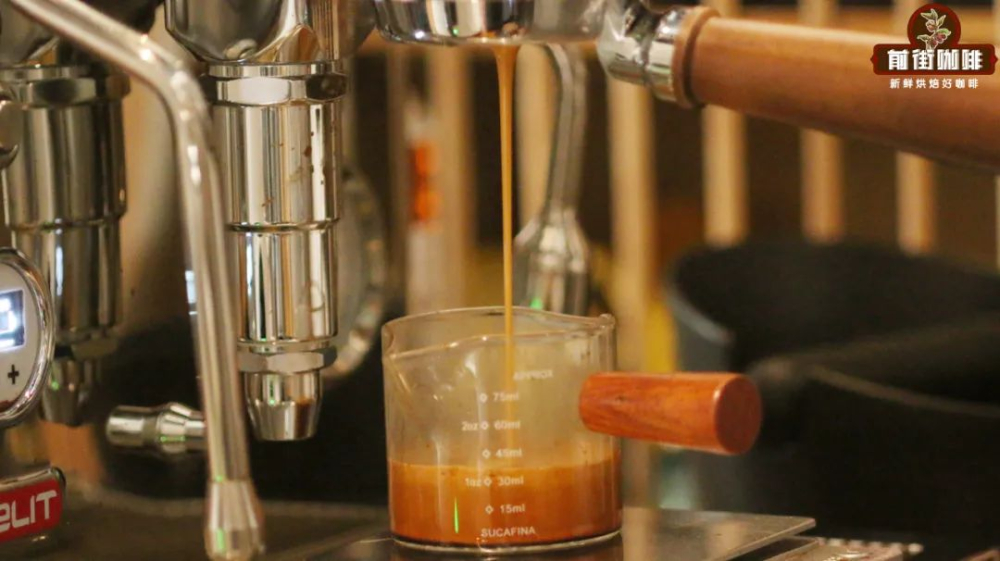 Lattes, on the other hand, can be chosen as either hot or iced, depending on personal preference. Hot lattes emphasize aroma release and the fineness of milk foam, while iced lattes highlight refreshment and the expression of the coffee’s original flavor.
In summary, although both Dirty and lattes are based on espresso, they differ significantly in temperature, brewing methods, flavor presentation, and drinking sequence. Whether you want to experience a cold drink style with distinct layers and sharp contrasts, or prefer a classic coffee that is warmly blended and rich in milk aroma, understanding these details will help you order more confidently at cafés and enjoy a coffee experience that’s closer to your personal taste.
The above content is compiled by CoffeeHunters, a coffee news website.


