







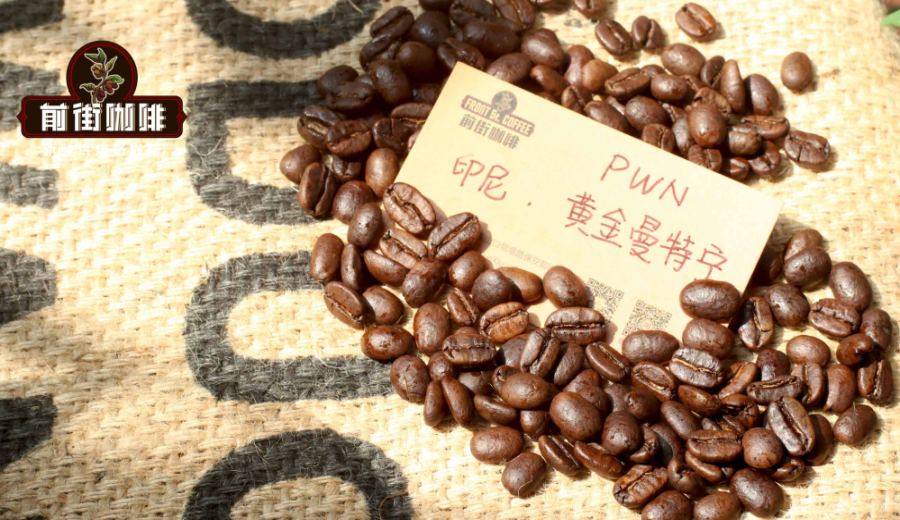
Introduction:Mandheling coffee is often misunderstood as being bitter and heavy, but in fact, with the right pour over parameters and techniques, you can extract a cup with pronounced sweetness, rich body, and flavors of caramel and chocolate. This article takes an in-depth look at everything from filter choice, coffee-to-water ratio, grind size, to the three-pour technique, teaching you how to brew a clean, refreshing, and layered dark roast Mandheling—especially useful for beginners and pour over enthusiasts.
Mandheling coffee is known for its rich, full-bodied taste and unique herbal aroma, but many people encounter issues with excessive bitterness when brewing it pour over style, especially with dark roasted beans, which are harder to handle. This article starts with a historical background and then details how to use the right equipment, coffee-to-water ratio, grind coarseness, water temperature control, and segmented pouring techniques to brew a sweet, clean, and flavorful Mandheling pour over with notes of caramel and chocolate. If you often find your brewed Mandheling too bitter or with too many off-flavors, this practical guide offers clear directions for improvement.
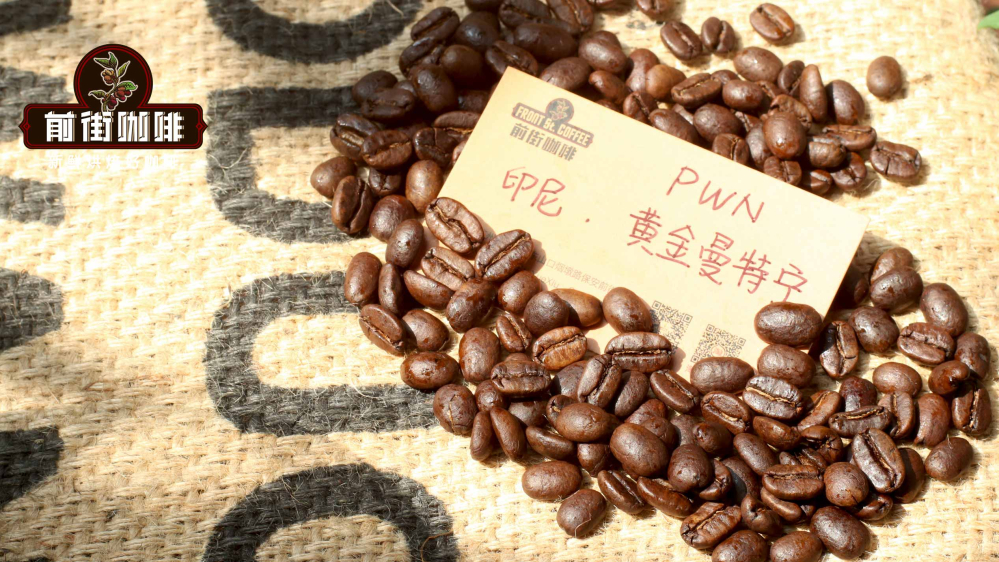
Speaking of Mandheling, one cannot overlook its origin story. During World War II, a Japanese soldier in Indonesia drank a cup of exceptionally good coffee and mistakenly thought he was asking for the name of the coffee, while the shop owner thought he was asking where he was from and answered “Mandailing.” After the war, the soldier had 15 tons of coffee beans shipped from Indonesia, but mistakenly referred to them as “Mandehling.” This misunderstanding is how the name Mandheling has been passed down to this day. Today, one of the high-quality Mandheling coffees we often see is the PWN Golden Mandheling.
This Golden Mandheling comes from the Gayo Mountains in Aceh, Sumatra, Indonesia. It is G1 grade, with each batch certified by PWN, ensuring high-quality green beans. The beans are hand-sorted three times, are large and plump (19+ mesh), have a very low defect rate, and offer a rich, full-bodied yet clean taste with outstanding sweetness. It is one of the best among dark roast Mandhelings. If you want to brew a Mandheling with notes of chocolate and caramel, free from harsh bitterness, this bean is an excellent choice.
Many people often encounter problems with Mandheling tasting overly bitter or having strong off-flavors. The key lies in the overall brewing strategy. To brew a rich, clean, and distinctly sweet Mandheling, you need to master all aspects—from filter type, coffee dose, coffee-to-water ratio, grind size, water temperature, to pouring technique. Next, we’ll break it down step-by-step to teach you how to consistently extract ideal flavors.
For the filter, we recommend using the Kono filter. This filter is designed with flow ribs from the bottom to the middle section, while the upper part features smooth walls. When the filter paper is attached, it reduces bypass flow, allowing water to penetrate the coffee grounds more uniformly, which helps enhance extraction evenness and body. This filter is especially well-suited for extracting deep roast beans with rich and bold flavors, like Golden Mandheling, and can also be used for other high-quality dark roast coffees.
For the coffee dose, we recommend using 15 grams, suitable for a 1 to 2 cup serving. The dose should not be too much or too little and needs to be adjusted according to the filter’s capacity. Too much can cause filtration difficulties, affecting flow rate and extraction consistency. This dosage range ensures stable extraction performance and fully showcases the aroma and layers of Mandheling.
The recommended coffee-to-water ratio is 1:15, meaning 15 grams of coffee with 225 milliliters of water. Some enthusiasts prefer a higher concentration ratio of 1:13, but too high a concentration can make the taste overly heavy or even uncomfortable. A 1:15 ratio balances body and drinkability, suits most palates, and clearly highlights the sweetness and caramel aroma of Mandheling.
For grind size, we recommend using a grind that allows about 70% of particles to pass through a #20 sieve—that is, slightly coarser than the standard for medium roast coffee. Because Mandheling is dark roasted, its bean structure is looser. Too fine a grind can lead to over-extraction, releasing too many bitter compounds, while too coarse a grind can under-extract, resulting in a weak, watery flavor. This grind size balances extraction speed and brings out the best sweetness and rich layers.
For water temperature, we suggest keeping it between 87–88°C. Too high a temperature can cause dark roast beans to release excessive bitterness and burnt notes, while too low may lead to under-extraction, resulting in flat or overly sharp acidity. Maintaining a stable temperature helps evenly extract caramel, chocolate, and herbal notes, while avoiding unpleasant bitterness.
Finally, using the three-pour technique can significantly improve the stability and flavor expression of the extraction. The first pour is 30 milliliters of hot water for blooming, lasting about 30 seconds, to allow the coffee grounds to degas in preparation for extraction. The second pour adds 100 milliliters, followed by the third pour of 95 milliliters. This distribution helps extend extraction, enhance sweetness, and create a smoother, more balanced flavor profile. With this method, you’ll enjoy a rich, sweet pour over Mandheling with lingering notes of caramel and chocolate.
The above content is compiled by CoffeeHunters, a coffee news website.


