







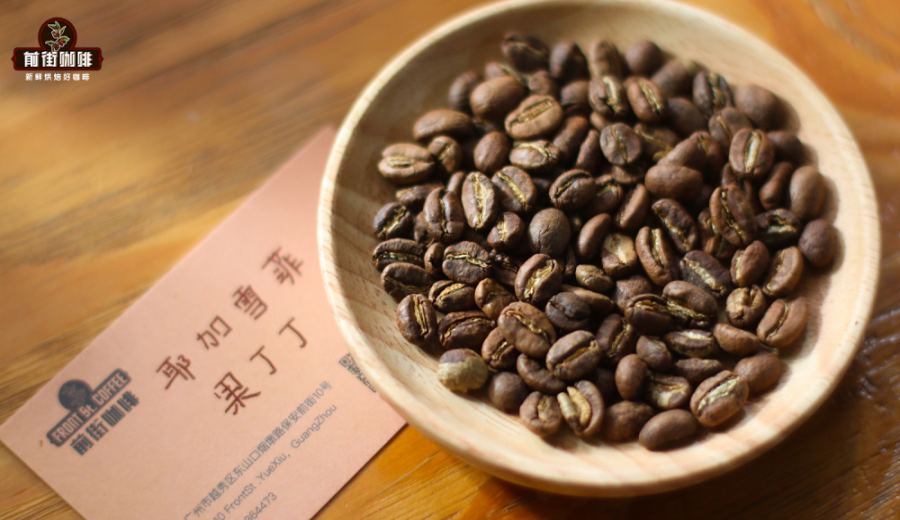
Introduction:The Guta Dingding washed coffee beans from the Wolkite region of Yirgacheffe, Ethiopia, are renowned for their bright acidity and delicate floral notes, making them a top choice for many coffee enthusiasts as their first step into specialty coffee. This article delves into the background of the Guta Dingding region, the washed processing method, cupping flavor profiles, and provides practical pour over extraction parameters and recommendations to help you fully unlock this coffee’s layers of citrus, green tea, and berry flavors.
Though the name sounds friendly and approachable, it refers to a small but highly promising village located in the Wolkite region of southeastern Yirgacheffe, Ethiopia. The local cooperative, composed of around 300 coffee farmers, is hailed as the last well-preserved coffee haven in the Yirgacheffe area. The cooperative primarily employs traditional washed and natural processing methods, with the washed beans being the most favored by the market. The washed beans selected from this area showcase the classic characteristics expected of Yirgacheffe: citrus acidity, refreshing floral notes, and a green tea-like aftertaste, making it an excellent choice for exploring the flavor profile of Ethiopian coffee.
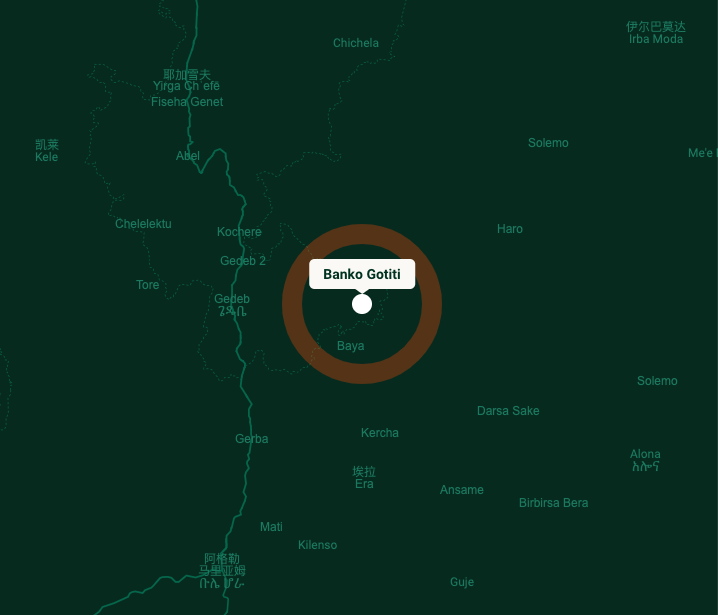
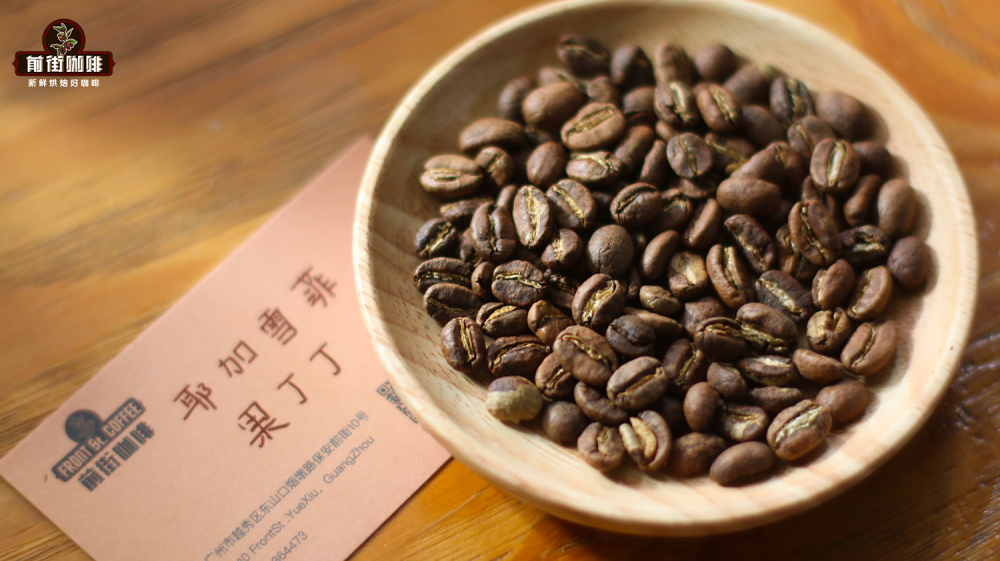 Many customers walking into coffee shops are often drawn to the whimsical-sounding name “Guta Dingding” on the menu and can’t help but wonder about its origin. In fact, Guta Dingding is a real village located in the southeastern part of Yirgacheffe and is part of the Wolkite region. In the early days, most local coffee farmers joined the Wolkite Cooperative. However, as the global specialty coffee industry began to emphasize “single-village traceability,” Guta Dingding gradually stood out. In 2012, through the joint efforts of numerous smallholder farmers, Guta Dingding officially established its own independent cooperative, becoming one of the earliest individually designated regions in the area.
The cooperative mainly focuses on washed and natural processing methods, with the washed beans being the preferred choice for many roasters due to their ability to more accurately express terroir characteristics. The selection of washed beans from this area is favored not only for their classic bright acidity typical of Yirgacheffe but also for the excellent balance they achieve between floral notes, citrus tones, and a green tea-like finish. Although these beans fall under the broad category of “Ethiopian Heirloom” (native variety), it is precisely this diverse genetic makeup that gives rise to their rich fruity aromas and layered complexity.
Ethiopia is regarded as the birthplace of coffee and boasts the world’s richest genetic diversity of coffee varieties. However, because most coffee is grown by smallholders and often processed collectively after harvest, individual varieties are difficult to trace. As a result, exported beans are often labeled as “Heirloom.” Yirgacheffe is one of Ethiopia’s most representative regions, known for its washed processing method. While sun-drying was also practiced in the past, it was less stable and prone to introducing off-flavors. It wasn’t until the introduction of washed processing techniques in the last century that Yirgacheffe’s bright and refreshing flavors gained worldwide recognition.
In the early days, the Guta Dingding village did not have its own processing facilities, and coffee cherries had to be sent to the nearby Wolkite village for washed processing. Later, after evaluation by professional coffee scouts, the exceptional potential of Guta Dingding’s coffee was recognized, leading to assistance in building an independent processing facility in the village. Washed processing requires relatively high water resources and equipment, which individual farmers typically find difficult to establish on their own. As a result, farmers collect harvested coffee cherries and send them to the centralized processing facility for unified processing. This approach helps maintain consistent quality and better highlights the unique flavor characteristics of the region.
 The main steps of washed processing include: first, placing harvested coffee cherries in water to remove unripe or overripe fruits using buoyancy principles; then using a pulper to remove the outer skin and pulp; next, the beans enter fermentation tanks where they remain for approximately 18 to 36 hours, allowing the attached mucilage layer to break down naturally. After fermentation, the parchment-covered beans are washed with water in specially designed tanks for 30 to 60 minutes, a step that effectively separates defective beans with lower density. Finally, the high-quality parchment beans are evenly spread on African-style raised beds to dry, ensuring stable ventilation and sunlight exposure throughout the drying process.
Washed coffee beans, having had most of their pulp and mucilage removed, can more clearly express their inherent flavor characteristics—such as distinct citrus and lemon tones, as well as delicate floral layers—often resulting in a brighter, cleaner, and more defined overall profile. This is why many specialty coffee enthusiasts are particularly fond of Yirgacheffe washed beans.
Lightly roasted Yirgacheffe has become one of the symbols of specialty coffee in recent years, standing in stark contrast to the intense bitterness brought by darker roasts. Modern specialty coffee emphasizes preserving the original flavors of the coffee, especially its fruit acids and floral notes, so roast levels are generally controlled within the “medium-light” range, allowing the coffee to showcase a pleasant balance of acidity and sweetness along with intricate aromas. It is recommended that if you want to experience the full potential of the washed beans from this region, a medium-light roast is the best way to highlight their “fruit bomb” characteristics.
During cupping, the dry aroma of Guta Dingding washed beans features pronounced passion fruit, citrus, and berry-like acidic scents; the wet aroma reveals even more citrus and berry notes. Upon tasting, the first impression is a clear citrus acidity, followed by the sweetness of berries and a soft almond tone, with a hint of honey-like sweetness in the aftertaste. The overall body is relatively light, but the acidity is vibrant and the layers are clear, delivering a refreshing yet deep mouthfeel.
If you’d like to brew this fruity and tea-like washed Yirgacheffe at home, the following pour over parameters are recommended: use a Hario V60 filter cone, with water temperature controlled at around 90°C, a coffee dosage of 15 grams, and a brew ratio set at 1:15. The grind size is suggested to be medium-fine, approximately 80% passing through a standard Chinese No. 20 sieve, to ensure a balanced extraction rate and flavor profile.
For specific brewing technique, it is recommended to use a pulse pouring method: start by pouring 30 grams of hot water for a 30-second bloom to activate the release of aromas from the coffee grounds; then continue pouring in a circular motion with a thin stream of water. When the total water volume reaches 120 grams, perform the first pour pause, wait for the water level to drop slightly, then continue pouring up to 225 grams before stopping. Allow the coffee to fully drip through before removing the filter cone. The total brew time should be controlled around 1 minute and 50 seconds, effectively highlighting the fresh floral notes, sweet fruit tones, and slightly astringent green tea-like aftertaste of the Guta Dingding washed beans, delivering a refreshing experience akin to sipping freshly picked green tea.
The above content is compiled by CoffeeHunters, a coffee news website.


