







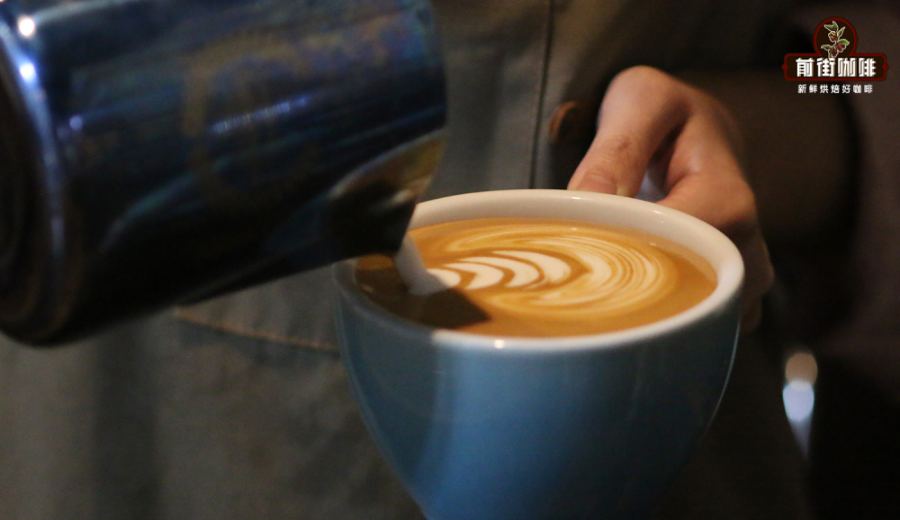
Introduction:Have you ever been asked in a coffee shop, "Do you want an SOE or a blend?" In recent years, the SOE (Single Origin Espresso) trend has gained momentum, often priced higher than regular blends — but is it really superior? This article delves into the definition of SOE, the reasons behind its pricing, and why it sometimes falls short of expectations. We’ll explore factors such as bean source stability, roast level, and brewing methods to analyze the flavor profile of SOEs, and offer practical advice on selecting single-origin beans based on different taste preferences, along with three diagrams to help illustrate the concepts.
When you walk into a café and place an order, it’s common to hear the barista ask, “Would you like an SOE or a blend?” Many customers may not immediately grasp the difference, but they often assume that the pricier SOE must have a better flavor. However, this isn’t always the case. SOE, short for Single Origin Espresso, refers to coffee made using beans sourced from a single region, area, or farm, and extracted via an espresso machine. This practice first gained attention at the 2007 World Barista Championship, where it sparked heated discussion and broke away from the industry norm of using blends to maintain consistent and rich flavors.
As the concept of specialty coffee has become more widespread, more consumers are seeking nuanced and unique flavor profiles. Whether it's pour over or espresso, there's a growing preference for single-origin beans that highlight regional characteristics. As a result, many naturally assume that SOEs must outperform blends. But whether SOEs are truly superior depends on several factors.
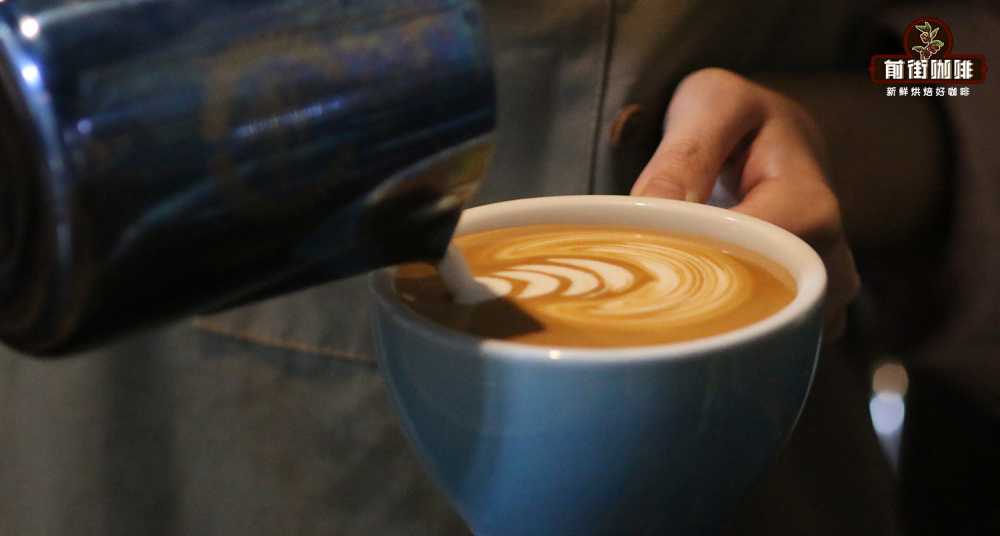
Firstly, coffee is fundamentally an agricultural product, and its flavor is highly susceptible to influences from climate, soil, processing methods, and roasting strategies. Even SOEs labeled as 'premium' can vary significantly in taste from season to season or with slight adjustments in roasting. Some customers may rave about a particular SOE after one tasting, only to find it less impressive on a subsequent occasion — likely due to seasonal changes or tweaks in the roast profile.
Additionally, the industry has traditionally viewed single-origin beans as less stable and too intense for espresso extraction, especially when milk or water is added, often resulting in imbalanced flavor. For this reason, many cafés still prefer carefully crafted blends to ensure consistency in every cup.
The second common issue is roast level. To highlight the unique flavors of single-origin beans, many SOEs are roasted lightly. Light roasts do preserve more fruity acidity, floral notes, and delicate tones, but during espresso extraction — which happens quickly — these lighter beans often fail to fully develop their body and richness. The resulting shot can taste thin, and even with milk or water added, the overall flavor might come across as bland.
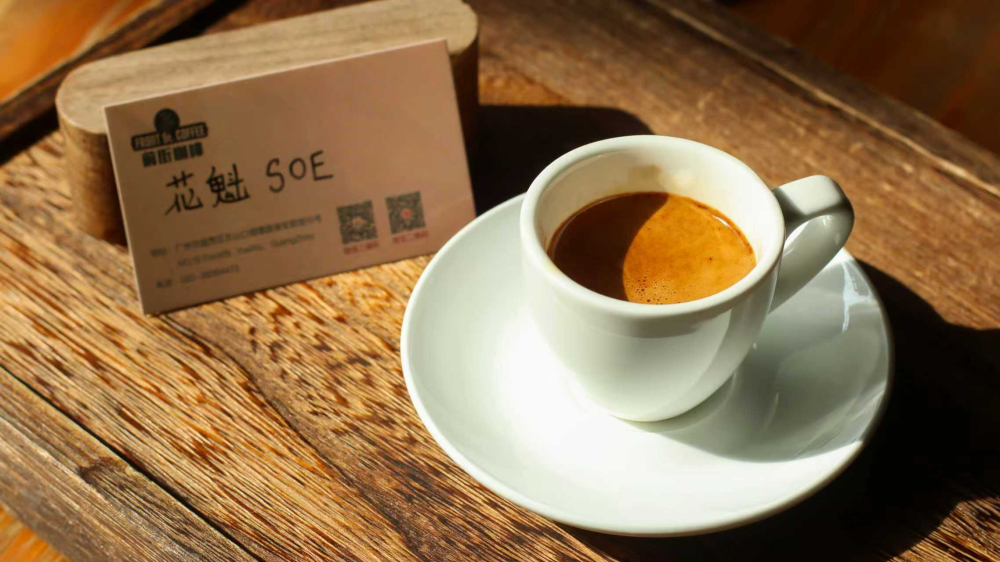
The third key factor is the brewing method. SOEs are typically extracted using the high-pressure environment of an espresso machine, which tends to amplify both the desirable and less desirable characteristics of the beans. For example, a light-roasted washed coffee that exhibits citrus, floral, and honey-like sweetness in a pour over might turn overly sour or even astringent under high-pressure espresso extraction, leading to an unpleasant drinking experience.
Therefore, if you’re considering buying single-origin beans for your own SOE brewing, it’s advisable to opt for medium-roast beans or those specifically formulated as SOE blends. These beans usually feature adjusted roast curves and balanced flavor profiles that are better suited for high-pressure extraction.
So, how can you tell if a café’s SOE is well-extracted? You can judge from two perspectives: First, for coffee enthusiasts familiar with SOEs, do they keep coming back and leaving positive feedback? Second, for the average customer without strong preferences, does this SOE feel more appealing than a typical blend, making them want to try it again?
If you prefer bright, acidic, and sweet flavor profiles, consider beans from Ethiopian regions such as Sidamo, Yirgacheffe, or Guji. These coffees often showcase pronounced fruity, floral, and sweet notes, making them ideal for methods like pour over or cold brew. However, these beans are typically light to light-medium roasted, and using them directly for espresso can lead to under-extraction, weak crema, or even spraying issues. To address this, some cafés adjust the roast profile of these beans to enhance their performance in espresso.
If you’re more drawn to bold fruitiness and rounded sweetness, beans from high-altitude regions in Central and South America — such as Colombia, Panama, Costa Rica, Guatemala, or Peru — are excellent choices. These coffees are often medium roasted, balancing sweetness with caramel notes and suiting a variety of brewing methods.
Furthermore, to further enhance the fruity character of an SOE, you might consider single-origin beans processed using special methods like natural (sun-dried), honey, or anaerobic natural. For instance, some Colombian beans undergoing double anaerobic natural processing can express vivid notes of blueberry, passionfruit, and ripe grapes. Meanwhile, other anaerobically processed beans may yield soft aromas of orange, nuts, and milk candy in a latte.
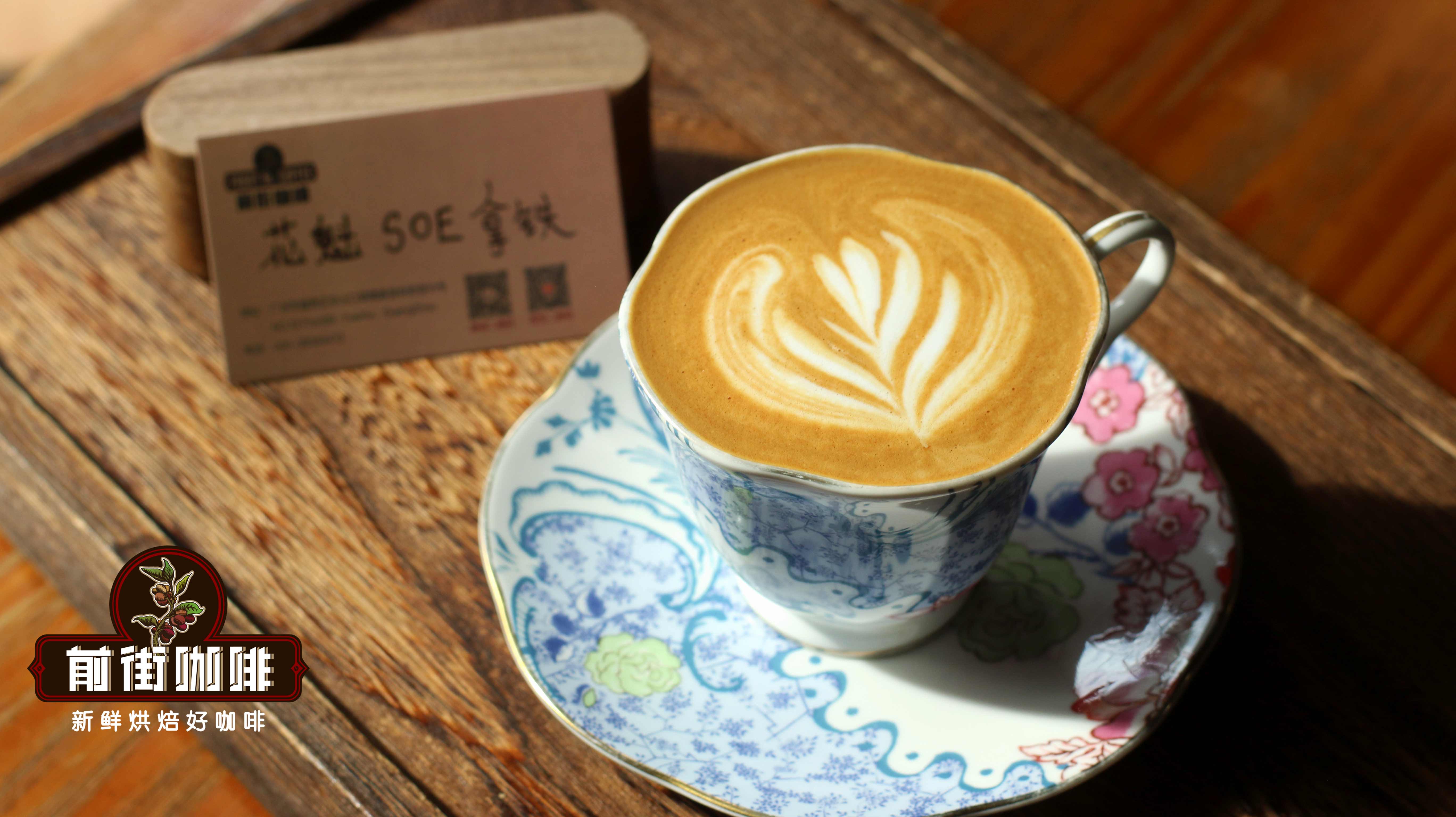
Finally, for those who dislike acidity or prefer a low-acid, balanced cup, consider medium-dark to dark-roasted single-origin beans from Asia or South America. These beans typically deliver rich chocolatey, nutty, and caramel tones, making them perfect for crafting smooth espressos without sharp acidity.
The above content is compiled by CoffeeHunters, a coffee news website.


