







Introduction:Delve into the Guji-Hambella region’s Huakui coffee beans from Ethiopia — from their championship-winning history, regional characteristics, processing methods, to the flavor evolution across different versions and optimal pour-over parameters. Whether you’re a beginner or a seasoned coffee enthusiast, this guide will help you gain a comprehensive understanding of this highly acclaimed natural-processed coffee bean and master the techniques for brewing its captivating flavors.
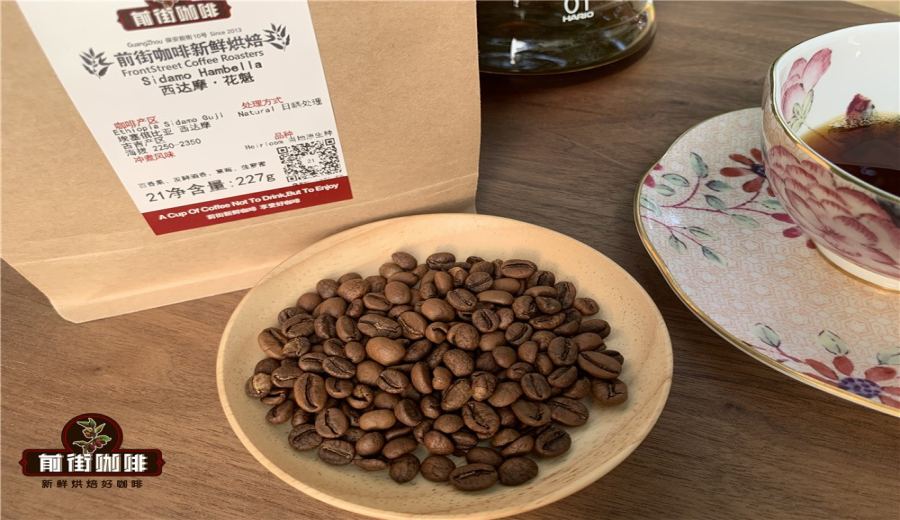
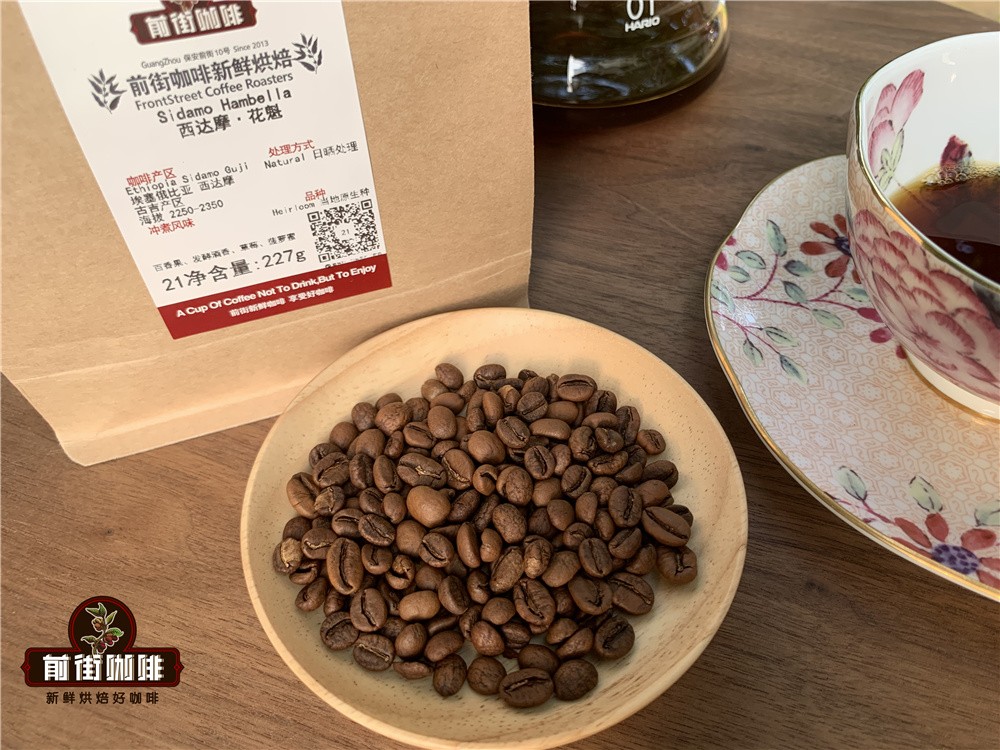
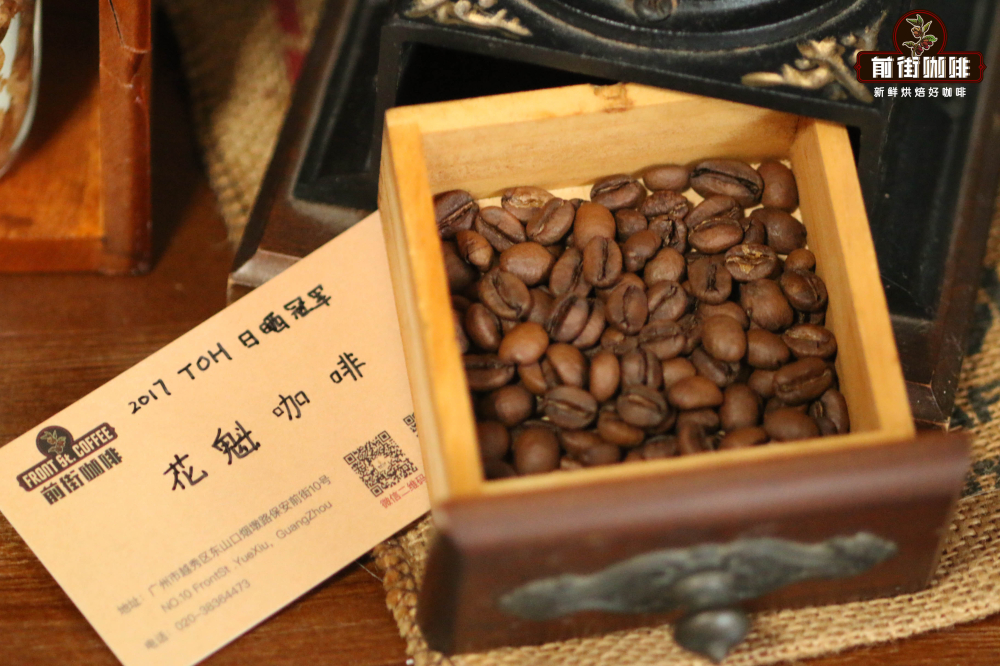
Huakui coffee beans can be considered a shining jewel of Ethiopia’s Guji-Hambella region. These beans gained widespread attention after winning the 2017 TOH (Ethiopia National Taste of Harvest Competition) with their enticing strawberry-cream-like flavors, and were subsequently named “Huakui” by domestic green bean traders. Sourced entirely from the Buku Abel washing station, these beans are meticulously processed using carefully selected red cherries through sun-drying on African raised beds, allowing fully ripe fruits with sugar levels exceeding 30 to release rich sweetness and complex layers.
Since the debut of the first-generation Huakui in 2017, the series has continued to evolve annually — progressing from version 1.0 to 6.0. The flavor profile has shifted from intense strawberry notes to more nuanced profiles of citrus, berries, and mango juice, showcasing the diverse potential of Ethiopian natural-processed coffees. This article will detail its regional background, processing methods, variety traits, differences across versions, along with recommended pour-over extraction guidelines and flavor characteristics, helping you grasp the allure of this classic coffee bean from beginner to advanced levels.
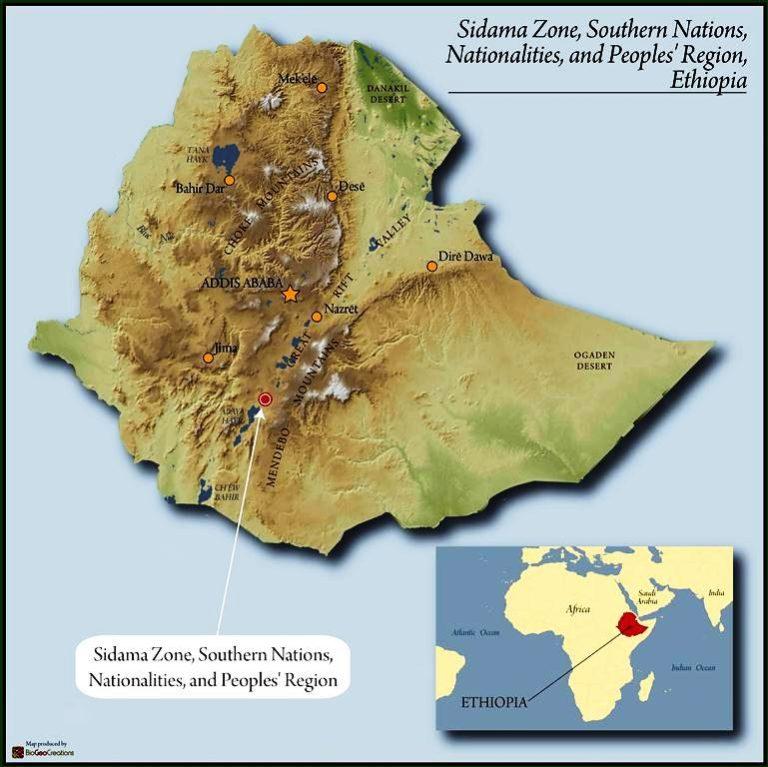
To understand Huakui, one must first explore its homeland — Ethiopia’s Guji-Hambella. As one of the birthplaces of coffee, Ethiopia boasts the world’s richest coffee genetic repository, and the Guji region was officially designated as a separate zone from the former Sidamo region by ECX (Ethiopia Commodity Exchange) in 2010. Known for its high altitude, varied microclimates, and rich biodiversity, it is an ideal terroir for cultivating premium natural-processed coffee. Hambella, a sub-region of Guji, lies in high-altitude mountainous terrain adjacent to Yirgacheffe Kochere, blessed with exceptional geographical conditions, and serves as the primary source of Huakui coffee.
It’s worth noting that the name “Huakui” is actually a unique creation of the Chinese market. These beans were first introduced by a Beijing-based green bean merchant. During a 2017 Chinese coffee competition, contestant Li Jianfei — using non-Geisha beans (specifically these natural-processed beans from Hambella) — stood out among numerous Geisha entrants and won second place, propelling the beans into the spotlight. At the time, Geisha (pronounced “gesha”) shared a Japanese pronunciation akin to “geisha” (艺妓), so to emphasize the extraordinary status of these beans, they were named “Huakui” (花魁), meaning “the foremost flower” in Chinese culture, symbolizing its dominant performance in the competition and unique flavor profile.
The processing of Huakui coffee is handled by the washing station located in Buku Abel village at an altitude of 2,200 meters. The area features red-brown soil rich in humus, shaded naturally by the endemic Enset tree, ensuring stable light and nutrient balance for the coffee trees during growth. The harvest season is concentrated between December and January each year, and the washing station selects only fully ripe red cherries with sugar levels above 30, handpicked with care. These cherries are then sun-dried on African raised beds, with strict control over temperature and humidity, and turned every 24 hours to ensure even drying and stable fermentation.
During the first two days of sun-drying, appropriate humidity is maintained to initiate fermentation of the fruit sugars. The low nighttime temperatures of around 12°C at high altitudes, combined with daytime shading measures, prevent over-fermentation or sunburn. This helps the coffee beans absorb ample sugars from the pulp and mucilage during drying, contributing to Huakui’s signature intense sweetness and rich wine-like aroma. This processing method is also a key reason why its flavor differs significantly from other regions such as Sidamo.
Regarding the variety, Huakui belongs to Ethiopia’s common Heirloom heirloom variety. This category exhibits extreme diversity, resulting from longstanding smallholder farming practices, crossbreeding, natural pollination, and traditional harvesting and processing methods, leading to variations in bean size and shape that cannot be classified under a single variety — hence collectively referred to as heirloom. This also explains why Huakui coffee beans show more noticeable visual differences compared to those from other regions.
As for why there are so many versions — such as Huakui 2.0, 3.0, 4.0, and even 6.0? This is mainly because Huakui is an agricultural product, and its flavor characteristics vary each year due to climate, rainfall, and sunlight exposure. The original first-generation Huakui was the natural-processed coffee from DW Company’s Buku Abel washing station that won the championship, becoming the prototype for subsequent naming. Subsequently, DW expanded to include four washing stations: Buku Abel, Buku Saysay, Haro Soresa, and Tirtiro Goye. However, only the natural-processed beans from Buku Abel qualify as the orthodox “Huakui.”
Each year’s version is named according to its release year — e.g., 2018 as Huakui 2.0, 2019 saw the release of 3.0 and 3.1, 2020 as 4.0, 2021 as 5.0, and 2022 introduced 6.0. Additionally, some producers have specially selected smaller-sized coffee beans, which more closely resemble the strawberry flavors of the first-generation Huakui, launching the “Small Bean Huakui” series, which has become a classic favorite among many coffee lovers.
For pour-over recommendations, it’s advised to use freshly roasted coffee beans (within 5 days post-roast) to fully experience their vibrant flavor expression. A Hario V60 dripper is recommended, with water temperature controlled at 90°C, a coffee dose of 15 grams, a brew ratio of 1:15, and a grind size of medium-fine (approximately 80% passing through a Chinese standard #20 sieve). Specific steps: begin with a 30-second bloom using 30 grams of water, then pour in a slow circular motion until reaching 125 grams for the first pour, continue pouring up to 225 grams, then stop. Let the dripping finish before removing the dripper. Total brew time is about 2 minutes.
Below are the common flavor profiles of various Huakui versions for reference: Huakui G1: Smooth, with passion fruit, fermented wine aroma, jackfruit, and strawberry. Huakui 2.0: Overall clean profile, prominent berry aroma paired with nutty notes, and a rich mouthfeel. Huakui 3.0: Delicate strawberry jam, black tea-like feel, with a slightly shorter sweet aftertaste. Huakui 3.1: Floral, creamy, tropical fruit, and caramel notes, with a long-lasting sweet finish. Huakui 4.0: Distinct citrus acidity, juicy berry profile, complemented by lemon-black tea taste, with a lasting sweetness. Huakui Small Bean Huakui: Berry sweetness, interwoven creamy strawberry and passion fruit, with a round and full mouthfeel. Huakui 5.0: Floral notes blended with berries, citrus, and plum acidity, strong mango juice character, with a honey and black tea sweet aftertaste. Huakui 6.0: Abundant berry juice character, distinct black tea aftertaste, but bean appearance is slightly irregular, requiring careful selection.
The above content is compiled by CoffeeHunters, a coffee news website.


