







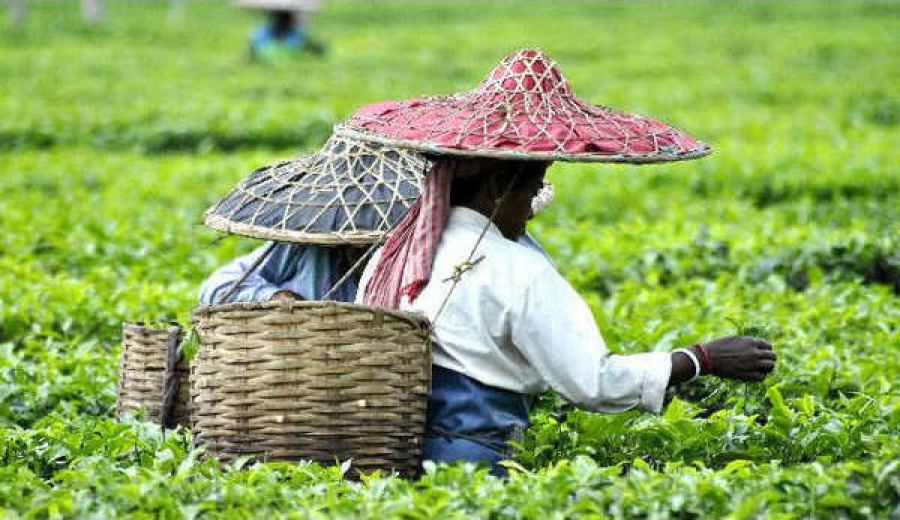
Introduction:Assam tea, with its rich and robust flavor, serves as the soul ingredient in many classic black tea blends. As India’s largest tea-producing region, Assam produces over 500 million kilograms of tea annually, not only supporting the local economy but also profoundly influencing the global tea market. This article takes you on an in-depth exploration of this world-class tea region’s production capacity, export distribution, and its profound contribution to global tea culture.
When it comes to world-renowned strong black teas, Assam tea is definitely among the top. This tea, originating from Assam in India, is known for its distinctive bold flavor and full-bodied taste, making it a key base in many classic black tea blends. Moreover, Assam, as India’s largest tea-producing region, yields over500 million kilogramsof tea per year, accounting for more than half of the country’s total production, with approximately90%exported to various countries including Russia, the United States, Australia, and Iran.
Assam boasts over304,000 hectaresof tea gardens. The tea industry is not only a crucial economic pillar for the region but also the livelihood for nearlyone-fifth of the population. Additionally, this area is the origin of the precious native tea plant variety—Assamica (Camellia sinensis var. Assamica)—known for its vigorous growth and strong, bold liquor.
India is currently the world’s second-largest tea producer, following China, and Assam is the backbone of its tea industry. This land benefits not only from ideal climatic conditions but also from a historical turning point that transformed it into a world-class tea hub.
Nearly two centuries ago, when British colonists first arrived in India in search of an alternative to Chinese tea, they initially planned to import tea seeds from China. However, they unexpectedly discovered a wild tea plant already growing in the Assam region. This plant was later identified as the Assam variety, which showed tremendous commercial potential. Coupled with Assam’s unique tropical monsoon climate—hot and humid year-round—it provides nearly perfect growing conditions for tea plants.
Today, Assam tea is not just a beverage but also a cultural symbol. Its bold flavor and distinctive character make it a star in many morning black tea blends. Whether enjoyed as a single-origin tea or as the foundation of a breakfast blend, Assam tea showcases its intense aroma and full-bodied mouthfeel.
It’s worth noting that despite the large volume of Assam tea exported, about10%of its production remains for domestic consumption in India. For many local residents, it’s not just a daily drink but also a source of regional pride and tradition.
Without Assam tea, the region would not only lose a vital economic source, but tens of thousands of tea garden workers could face unemployment, and the global tea market would lose a beloved classic tea variety. From the first cup of black tea that awakens the senses in the morning to the bold choice paired with afternoon snacks, Assam tea is everywhere, making it hard to imagine a world without it.
In summary, Assam tea is not just an agricultural product. It is a key pillar of India’s economy, a critical element in global tea trade, and an indispensable flavor in the daily lives of many. Understanding Assam tea is to understand an important chapter in global tea culture.
The above content is compiled by CoffeeHunters, a coffee news website.


