







Introduction:Venture deep into the renowned Glenburn Tea Estate in Darjeeling to explore the entire production process—from the plucking of the “two leaves and a bud” to the crafting of black, green, oolong, and white teas. Experience firsthand the art of tea tasting and discernment. You can even stay at the historic Burra Bungalows or the well-equipped Water Lily Cottages, immersing yourself in the serene mountain retreat surrounded by nature.
Located in India’s Darjeeling region, the Glenburn Tea Estate is world-famous for producing high-quality black tea. Not only are its teas highly sought after by international tea aficionados, but its Burra Bungalows and Water Lily Cottages also offer visitors an exceptional mountain lodging experience. This article will take you on a tour of this historic tea estate, covering everything from the standards of tea leaf plucking, detailed explanations of withering, rolling, fermentation, drying, and grading processes, to tastings that highlight the seasonal variations of black, green, oolong, and white teas. You’ll also explore the accommodation options and the surrounding breathtaking natural landscapes, giving you a comprehensive understanding of Glenburn Tea Estate’s unique charm.
The Burra Bungalows, once the residences of several generations of plantation owners, remain the core accommodation area of Glenburn Tea Estate. This historic building features a spacious main veranda, comfortable living rooms, a fireplace, and a library—making it a perfect spot for a peaceful evening with family. The candlelit dining room in the evening exudes a romantic ambiance, ideal for savoring local cuisine. The four uniquely themed bedrooms are spacious, with some offering open verandas where you can enjoy tea while taking in the majestic mountain views, fully immersing yourself in the tea-growing atmosphere.
For those seeking a more distinctive stay, consider the Water Lily Cottages located at the edge of the Glenburn spur. This accommodation, comprising four suites, not only boasts an excellent location but also includes a living room, a small dining area, a two-tiered garden, and two private balconies, accessible via stone steps leading to the Burra Bungalow area. Additionally, the Water Lily Cottages feature a large entertainment and conference room, a professional massage room, and a steam room. Each bedroom offers mountain views, along with private balconies, bay windows, or dedicated relaxation areas, ensuring guests the most comfortable holiday experience.
A brief visit to Glenburn Tea Estate can offer a preliminary understanding of tea cultivation in just a few hours. However, if you’re a true tea culture enthusiast, it’s worth setting aside a full day to experience every detail of the journey from harvest to production. On the day of my visit, I was accompanied by Uncle Prashar, a local guide. Strolling through the tea gardens made me completely lose track of time, during which I encountered both local residents and many tourists who had driven in to explore.
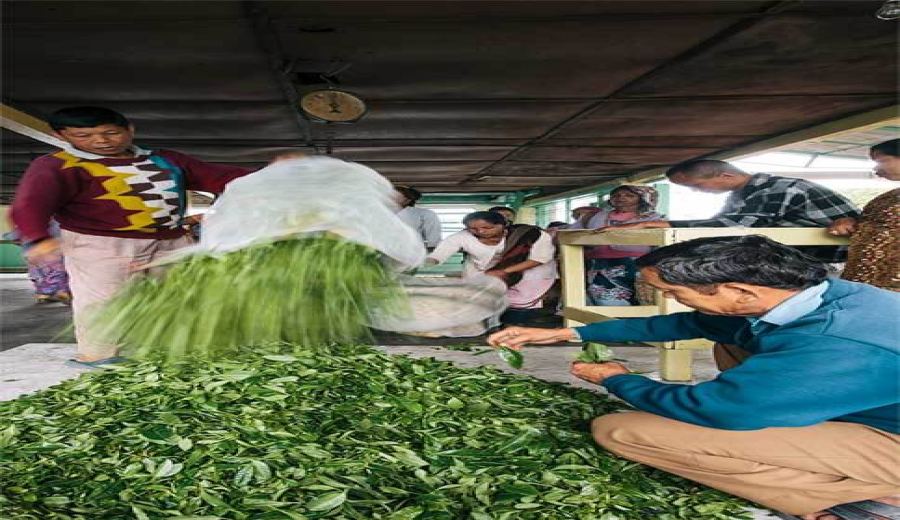
Upon arriving at the estate, we first visited an audiovisual exhibition detailing Glenburn’s history and listened to a basic guided tour about tea cultivation, tea production techniques, and tea tasting. Next, led by a professional guide, we entered the tea factory to observe firsthand how freshly harvested tea leaves are transported from the fields, precisely weighed, and then go through key production processes including withering, rolling, fermentation, drying, and grading—gaining an in-depth understanding of how each step influences the final flavor of the tea.
The final part of the factory tour was a refined tea tasting experience, featuring a variety of teas including black, green, oolong, and white teas. Visitors were guided to learn how to identify the differences in aroma, flavor profiles, and appearance resulting from various seasons and production methods—an excellent opportunity to enhance one’s tea appreciation skills.
In addition to the factory tour, the day also included a guided walk deep into the tea gardens, where we received detailed explanations about tea tree cultivation and daily maintenance. Visitors also had the chance to interact with Glenburn’s skilled tea pluckers and personally try their hand at the standard practice of picking the “two leaves and a bud”—the carefully selected young shoots that are the key ingredients behind Glenburn’s premium teas. While walking through the gardens, you can observe a diverse array of birds, butterflies, and native plants up close, and enjoy locally made snacks that add to the rustic charm.
At noon, we enjoyed a local-style lunch on the sandy banks of the Rangeet River. Walking through a lush bamboo forest, we reached the riverside and dined while taking in the natural scenery. By the time we returned to our lodging in the evening, it was almost midnight. After dinner, we went to sleep early under the tea garden night sky, recharging for the next day’s adventures.
Even though we were returning to the city early the next morning, our minds and bodies felt refreshed thanks to this tea estate journey. If you have the chance to stay at Glenburn for more than two days, beyond exploring the tea gardens and accommodations, you can also plan a one-day in-depth trip to Darjeeling town or the Kurseong area to further experience the multifaceted charm of this world-renowned tea region.
The above content is compiled by CoffeeHunters, a coffee news website.


