







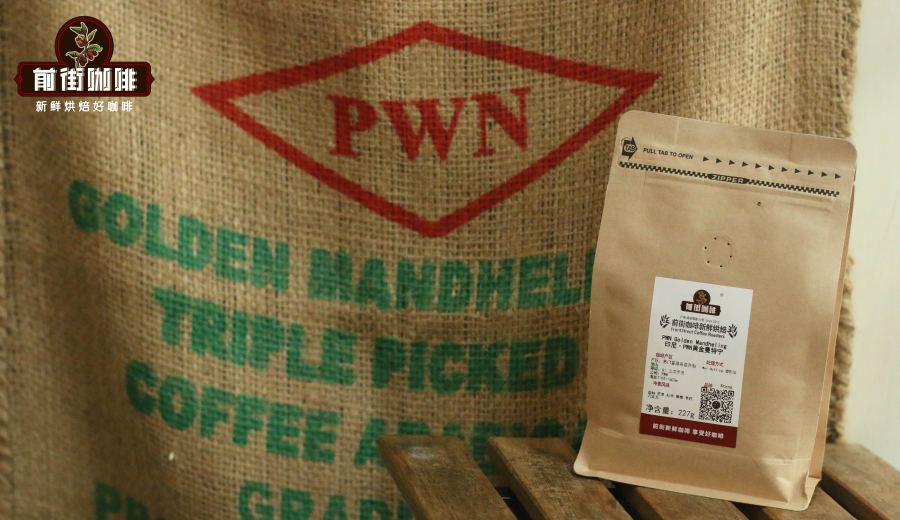
Introduction:Have you ever wondered if Indonesian Mandheling, often categorized as a dark roast with bold flavors, truly qualifies as specialty-grade Arabica? How does it differ from espresso blends? This article will delve into the varietal background of Mandheling, the origins of Sumatra’s wet-hulled processing method, and explore the optimal brewing settings for dark-roasted Mandheling. We’ll also provide a practical three-stage pouring technique and pour-over parameters to help you fully master this classic Southeast Asian-flavored coffee.
In the diverse world of specialty coffee, Indonesian Mandheling has gradually won the hearts of many coffee enthusiasts with its unique herbal aroma and full-bodied taste. However, many consumers still wonder about the differences between Mandheling and espresso blends, and often ask: is Mandheling really specialty-grade Arabica? This article will start with the historical context of Indonesian coffee, introduce the varietal evolution and processing characteristics of Mandheling, and guide you through the pour-over techniques for dark-roasted Mandheling.
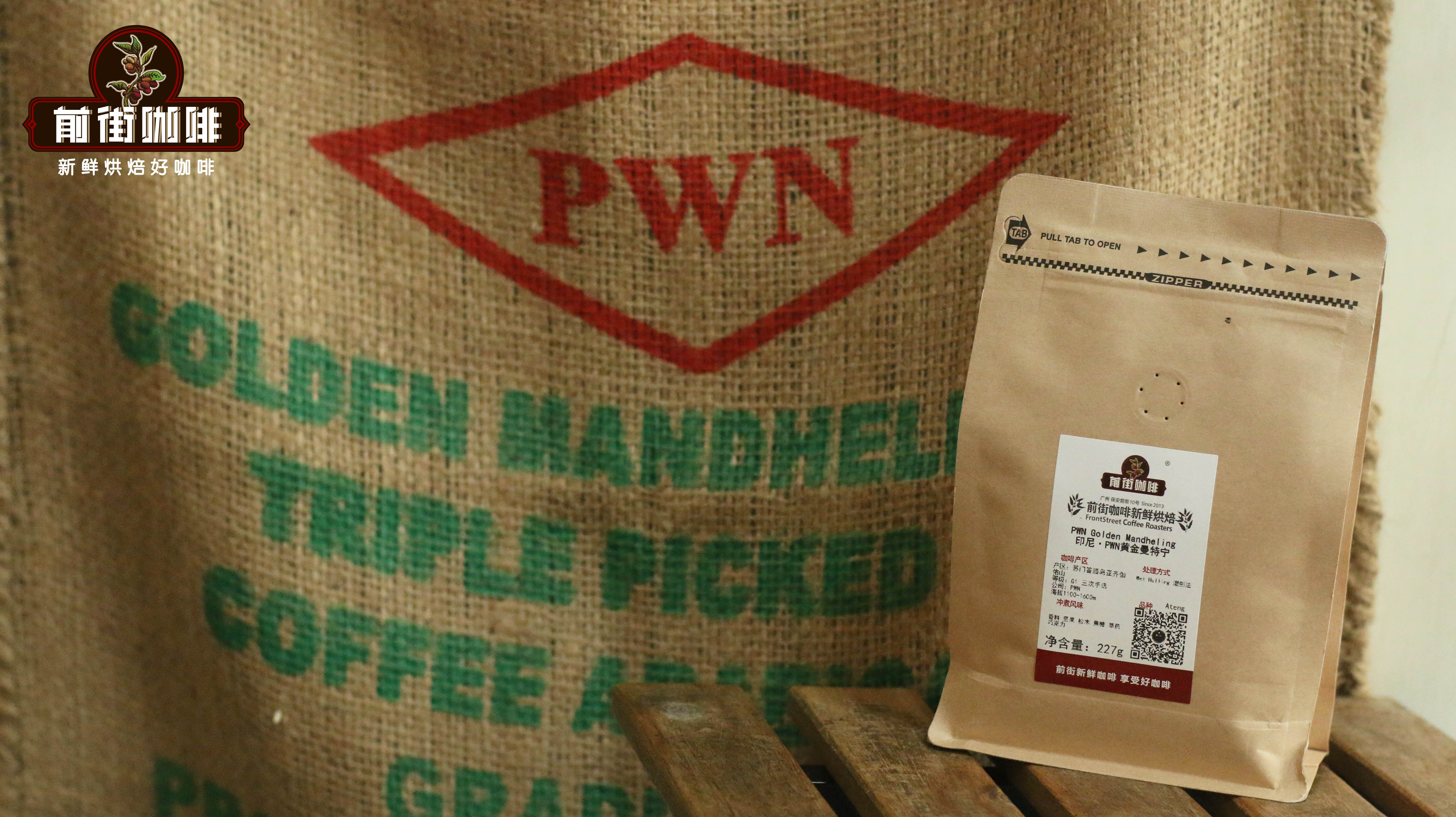
With the rise of the specialty coffee movement, more and more consumers are willing to try beans with different flavor profiles. Represented by the Lintong region of Indonesia, Mandheling was once polarizing due to its heavy body, but it has now become a classic favorite among many coffee aficionados. To fully showcase its layered aromas, pour-over is the most recommended brewing method. But before you start brewing, understanding the origin and characteristics of the beans is key to mastering the extraction process.
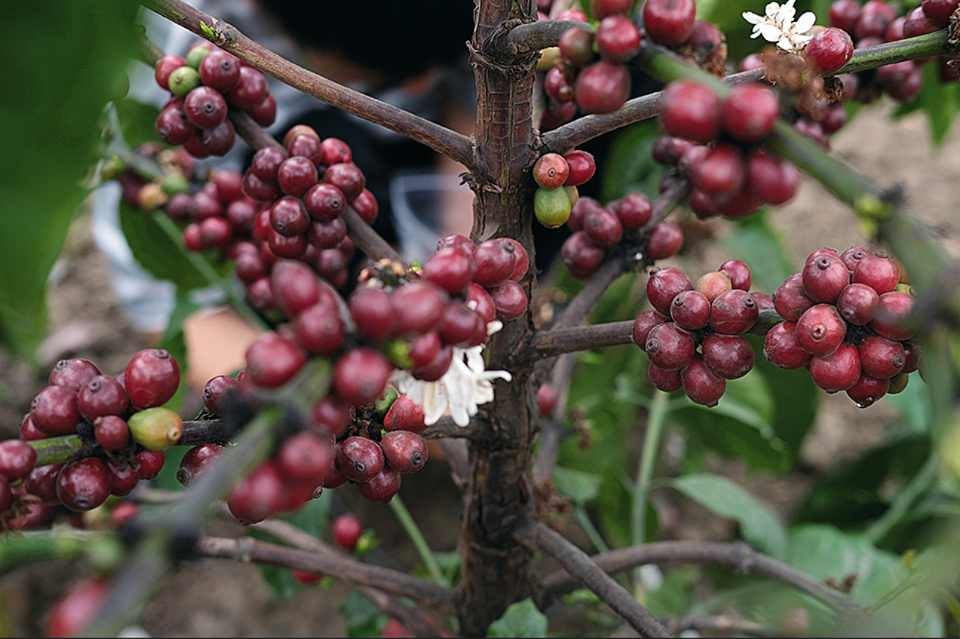
The coffee varieties primarily used in Indonesian Mandheling are not single-origin purebreds. Early on, the Dutch introduced Typica to Indonesia, an elegant-flavored classic Arabica variety. However, in 1877, a widespread rust disease outbreak nearly destroyed most of the local Typica coffee trees. To save the industry, the Indonesian government turned to disease-resistant Robusta from Africa and other regions, which remains the dominant force in Indonesia’s coffee market to this day. Additionally, through hybridization between Robusta and Arabica, varieties such as Tim Tim, Bor Bor, and Ateng (part of the Catimor family) were developed. These hybrids boast stronger disease resistance and have gradually adapted to Sumatra’s high-humidity environment, exhibiting a distinctive cedar-like aroma. Currently, the Ateng and Tim Tim families account for around 70% of Sumatra’s production. For example, a well-known coffee brand’s Lintong Mandheling everyday blend is a mix of Tim Tim and Ateng, while Golden Mandheling is mostly Ateng (Catimor). Both are processed using Sumatra’s signature wet-hulling method.
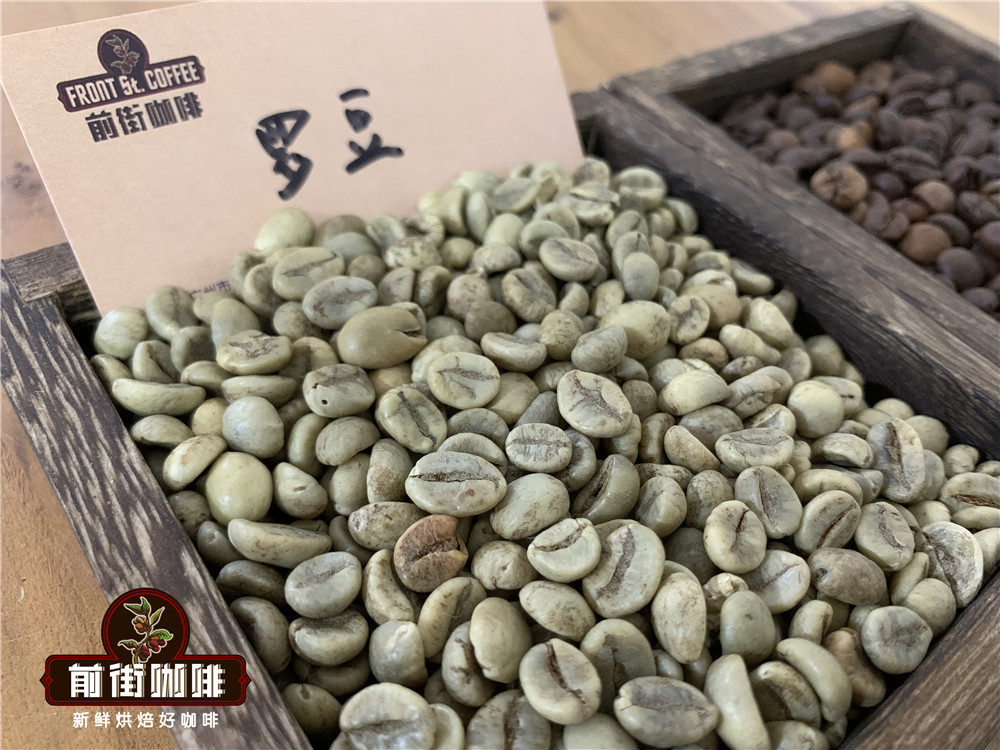
The so-called wet-hulling method is a processing technique developed by Indonesian coffee farmers to cope with the high-humidity climate and shorten drying time. Traditional washed or natural methods usually take two to three weeks, but in Sumatra, the rainy and humid weather can easily cause green coffee beans to mold during drying. The early stages of wet-hulling are similar to the washed process: first, the outer fruit pulp is removed, followed by about three hours of fermentation in water to wash off the mucilage. The beans, still wrapped in parchment, undergo a short initial drying phase for about two to three days, reducing moisture content to 20–24%. At this stage, the beans are semi-soft and semi-hard. Next, a hulling machine removes the outer parchment layer. Since the beans are not yet fully dry, their structure is fragile and prone to pressure marks or dents—referred to as "elephant foot beans"—during mechanical friction. The hulled beans are then dried further until their moisture content reaches 13%, completing the process.
This unique processing method not only accelerates drying but also exposes the beans directly to the high-humidity environment after early parchment removal, resulting in intense woody, spicy, and herbal notes. These are the hallmark "regional flavors" of Sumatran Mandheling. If you’re curious about this distinctive Southeast Asian flavor profile, try starting with an entry-level wet-hulled Mandheling to experience its deep and layered taste.
So, how can you brew dark-roasted Mandheling to bring out its best flavors? Because dark roasting makes the internal structure of the beans more porous, the ground coffee absorbs water easily. If the grind is too fine or the water temperature too high, it can easily release excessive bitterness and impurities. Therefore, it’s recommended to use a medium-coarse grind, with a reference of about 70% passing through a Chinese standard 20-mesh sieve, or setting a grinder like the EK43s to level 11. This helps balance extraction and avoid over-extraction.
Additionally, dark-roasted coffee undergoes more pronounced caramelization and Maillard reactions, releasing more large-molecule compounds that can lead to a burnt, bitter taste. To counter this,it’s advised to keep the water temperature between
87 to 88°C
, slightly lower than the 91–93°C typically used for light roasts, helping to suppress excessive off-flavors.Here are the recommended pour-over parameters for Mandheling:
• Brewing water temperature:
87~88°C
• Coffee dose: 15 grams
• Coffee-to-water ratio: 1:15
• Filter: KONO filter
• Grind size: Medium-coarse (about 70% passing through a 20-mesh sieve)
• Brewing method: Three-stage pouring
The KONO filter, with its unique curvature, helps maintain a stable flow rate, making it suitable for extracting dark-roasted beans. The three-stage pouring method allows for more precise control over the extraction rhythm, highlighting Mandheling’s richness and caramel sweetness—a technique recommended by many professional baristas.
Steps are as follows:
1. First, wet the KONO filter to ensure it adheres tightly to the walls of the dripper, and discard the pre-wetting water from the server. Then add 15 grams of ground coffee and pour 30 grams of water for the bloom, letting it sit for about 30 seconds. This step allows the coffee grounds to degas fully, laying a good foundation for subsequent extraction. Note that dark-roasted beans don’t require a long bloom to avoid releasing excessive woody off-flavors.
2. For the second stage, start pouring slowly in small circles from the center of the coffee bed until the total water volume reaches 125 grams, then pause. Maintain a steady pour to avoid excessive agitation that could disrupt the coffee bed or lead to uneven extraction. Once the coffee bed naturally settles to the middle of the dripper and part of it becomes exposed, proceed to the third stage.
The above content is compiled by CoffeeHunters, a coffee news website.


