







Introduction:Although Jin Jun Mei is a well-known Chinese black tea, it is actually an innovative tea product that only emerged in 2005. Grown from wild tea trees at an altitude of about 1,200 meters in Tongmuguan, it takes 20,000 tea buds to produce just one jin (500g), requiring 12 to 15 hours of labor from tea pickers. This article delves into the market positioning of Jin Jun Mei, the unique origins of its name, and takes you through the picking and production process in high-altitude tea gardens to uncover the story behind its golden tea liquor.
Jin Jun Mei is an iconic representative among Chinese black teas, yet many may not know that this tea was only officially developed in 2005. It originates from Tongmuguan in the Wuyi Mountain area of Fujian Province, situated at an altitude of around 1,200 meters. The tea trees grow naturally in the dense forested mountain environment, which contributes to its distinctive flavor and quality.
The name Jin Jun Mei is composed of three Chinese characters: “金” (Jin), “駿” (Jun), and “眉” (Mei), each carrying deep meaning. “金” represents the golden hue of the tea liquor and also symbolizes high quality and preciousness; “駿” refers to a swift horse, signifying that this tea can rapidly rise to fame and become widely renowned; “眉” describes both the slender, eyebrow-like shape of the tea leaves and carries a auspicious connotation of longevity.
To produce one jin of Jin Jun Mei, approximately 20,000 tea buds must be hand-picked. These buds come from wild tea trees, not from conventional, neatly arranged tea gardens. The picking process is extremely time-consuming and labor-intensive—typically, a skilled female picker must work for 12 to 15 hours to gather enough buds. Moreover, the picked buds undergo strict screening to ensure that every single one is the finest bud tip, essential for crafting high-quality Jin Jun Mei.
These tea trees grow in the Tongmuguan region, which not only has a relatively high altitude but also experiences heavy fog for about four months of the year. This environment slows down the growth of the tea leaves but allows them to accumulate richer internal substances, resulting in Jin Jun Mei’s rich and layered flavor profile.
Many might assume Jin Jun Mei is a traditional tea with centuries of history, but in fact, its creation is quite recent. Surprisingly, this now highly acclaimed black tea was first innovatively produced in 2005. For many older tea enthusiasts, they may have been drinking tea their whole lives without ever having tasted Jin Jun Mei.
It’s worth mentioning that the tea buds used for Jin Jun Mei do not come from neat, nearby tea gardens, but are instead harvested from wild tea trees scattered across rugged, densely forested mountains. This natural environment not only increases the difficulty of picking but also gives the tea leaves a purer, wild mountain flavor.
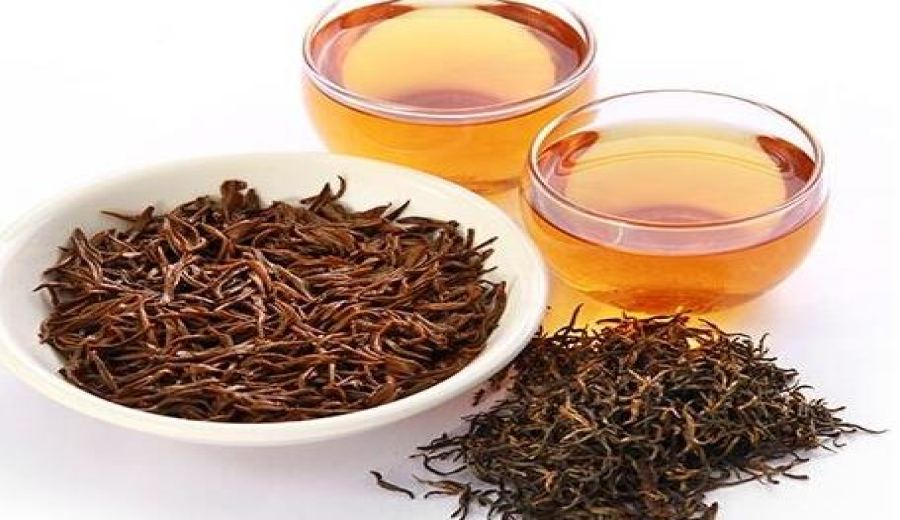
When selecting Jin Jun Mei, the color of the tea liquor is an important indicator. Truly high-quality Jin Jun Mei should yield a bright golden-yellow liquor after brewing, which is also the literal embodiment of the character “金” (gold) in its name. Additionally, the appearance of the tea leaves should be uniform, tightly rolled, with plump buds and silver tips—all key criteria for assessing its grade.
Overall, Jin Jun Mei is more than just a tea—it represents the pursuit of quality and the spirit of innovation within Chinese tea culture. From the arduous picking in high-altitude wild tea gardens to the meticulous handcrafting process, every step reflects the tea artisans’ dedication to perfection. Understanding Jin Jun Mei’s grading, the origin of its name, and its production process allows you to better appreciate the unique charm of this black tea when you taste it.
The above content is compiled by CoffeeHunters, a coffee news website.


