








Introduction:Want to explore the charm of pour over coffee? This article starts with the drip filtration principle, introduces you to the historical background and basic operation of pour over coffee, and provides an in-depth analysis of the unique flavor characteristics of six classic producing regions including Ethiopia, Colombia, Brazil, Costa Rica, Yunnan, and Indonesia. It also offers practical extraction parameter suggestions and step-by-step guidance to help beginners quickly master pour over techniques and find their own coffee flavor.
Pour over coffee, also known as drip filter coffee, is a long-standing and beloved manual brewing method. As early as 1908, Frau Melitta Bentz from Germany invented this brewing method where hot water slowly saturates coffee grounds through filter paper and then naturally drips down by gravity. She founded the Melitta company to promote related equipment, bringing this brewing method into households. Pour over coffee emphasizes precise control of water temperature, grind size, and pouring, which can fully showcase the original flavors of coffee beans, making it a top choice for many coffee enthusiasts just starting out.
For those who are new to pour over, choosing the right coffee beans is crucial. It is generally recommended to select representative items from the three major coffee producing regions—Africa, the Americas, and Asia—not only because their flavor profiles are distinctive but also because their prices are relatively affordable, making them perfect for practice and tasting. Below, we’ll take you through each of these regions’ classic coffees and their unique flavor expressions.

Ethiopia Yirgacheffe: Representative of Fresh Fruity Aromas
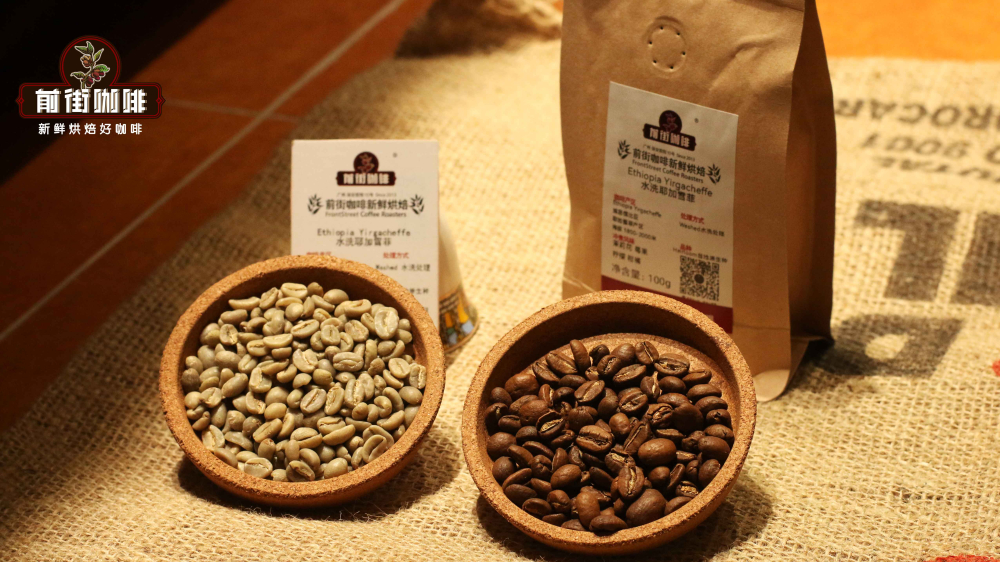
Ethiopia is one of the birthplaces of coffee, with coffee grown almost everywhere in the country. Although Yirgacheffe is just a small town, it is an important region for specialty coffee in the country, producing thousands of tons of high-quality coffee each year. The region sits at an altitude of about 2,000 meters, with a cool climate and moderate rainfall. Most of the coffee is grown in garden-style farms, often intercropped with bananas and other crops, providing good shade. The significant day-night temperature difference due to the high altitude allows coffee cherries to ripen slowly, accumulating rich aromatic compounds. Washed Yirgacheffe often features bright notes of lemon, citrus, green tea, and white floral aromas, making it a favorite among many pour over beginners.
Colombia Huila: Balanced Flavor with Layered Complexity
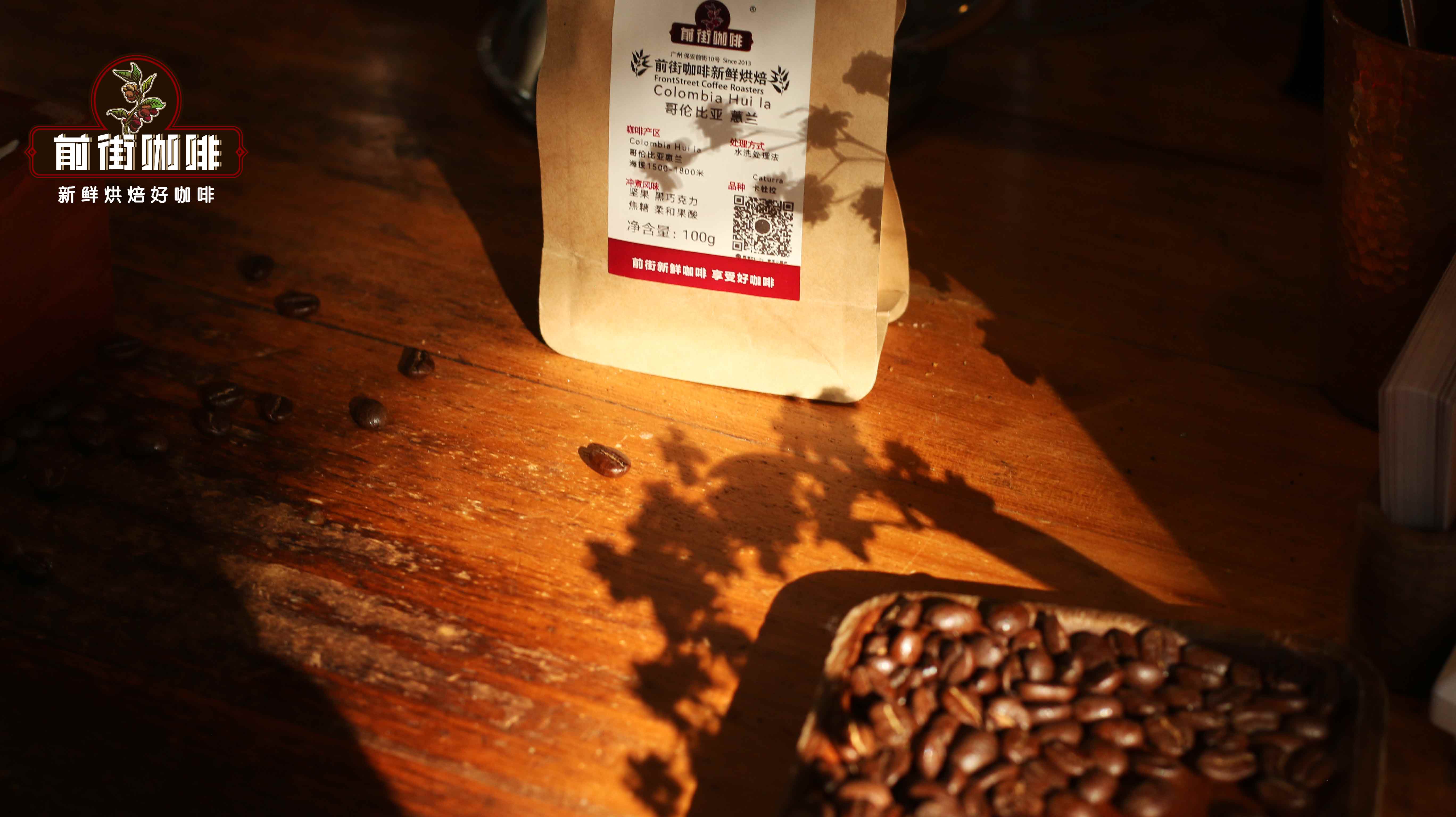
Colombia is a globally renowned coffee-exporting country, known for its coffee’s mild aroma and rich complexity. Local farmers often grow coffee trees under tall shade trees, paired with pergolas to maintain a stable humid environment, which helps the coffee cherries ripen slowly and accumulate more flavor and caffeine. The washed beans from this region are a prime example, offering flavors of dark chocolate, nuts, cream, caramel, and gentle fruit acidity, with a balanced taste suitable for drinkers who enjoy diverse flavors.
Brazil Cerrado: Classic with Rich Body and Low Acidity
As the world’s largest coffee producer, Brazil has vast planting areas and diverse microclimates. Although most regions are not very high in altitude, the flat terrain and abundant sunlight create Brazil’s unique soft bean style: low acidity, rich and smooth mouthfeel, with distinct notes of nuts, chocolate, and caramel. Coffee beans from the Cerrado region are among the best, with a mild and balanced taste, making them highly suitable as single-origin pour over beans or as a base for espresso blends.
Costa Rica Tarrazú: Premium Choice with Delicate Balance
The Tarrazú region of Costa Rica is located in the Central Valley and is known for its high altitude and refined processing. Pesticides and chemical fertilizers are prohibited locally, emphasizing sustainable and environmentally friendly farming practices. Tarrazú coffee beans are mostly washed, offering clear and layered flavors, often with notes of sweet orange, nuts, citrus, and berries, achieving a balanced acidity and sweetness. It’s a high-value-for-money region favored by many pour over enthusiasts.
China Yunnan: A Surprising Local Flavor
Yunnan has become an important coffee-producing region in China thanks to its moderate altitude, fertile soil, and diverse microclimates. Despite its long rainy season and variable weather, strict cultivation management and mostly washed processing still allow it to showcase unique regional flavors. The washed small-bean lots selected here, after medium roasting, present mellow notes of nuts, brown sugar, and chocolate, suitable for drinkers who prefer a mild taste.
Indonesia Mandheling: Deep and Intense Herbal Flavor
Sumatra in Indonesia is the main origin of Mandheling coffee. This coffee, often mistaken for a region name, is actually a variety named after the local ethnic group. Indonesia’s hot and humid environment has led coffee farmers to develop a unique wet-hulling process. While it may carry earthy, spicy, and woody undertones, it also gives Mandheling its intense and deep flavor profile. Mandheling coffee from this region is a classic representation of this flavor, suitable for coffee enthusiasts who enjoy bold flavors and unique characteristics.
Key Extraction Parameters and Process for Pour Over Coffee
To brew a delicious cup of pour over coffee, there are six key factors to pay attention to: the freshness of the coffee beans, grind size, coffee-to-water ratio, water temperature, pouring technique, and extraction time. These variables directly affect the final flavor outcome.
First iscoffee bean freshness—it’s recommended to choose beans roasted within 5 days to retain the maximum amount of aromatic compounds and carbon dioxide. Next isgrind size, as the coarseness affects how quickly water penetrates, thereby altering extraction efficiency. Andcoffee-to-water ratio—it’s advised to use a 1:15 ratio, as this range offers a high margin for error while balancing flavor and strength.
In practice, it’s recommended to start with a bloom: pour hot water equal to twice the weight of the coffee grounds and let it sit for 30 seconds to allow the grounds to fully expand and release aroma. Then pour water in small streams in circular motions from the inside out. The total water volume should be around 225 grams, divided into three pours, with the entire process taking about 2 minutes. Finally, remove the filter and gently swirl the coffee in the server to blend the layers before tasting the flavor variations at different temperatures.
The above content is compiled by CoffeeHunters, a coffee news website.


