







Introduction:The charm of aged tea lies in the unique transformations bestowed by time. This article delves into the aroma and flavor evolution of aged Huangzhixiang Dancong oolong and aged Jin Junmei black tea—from the freshness of new teas to the mellow richness of aged ones—analyzing how different tea types develop in flavor over long-term storage. It also extends to exploring the aging potential and characteristics of other tea varieties such as jasmine tea and white tea, helping tea enthusiasts gain a more comprehensive understanding of the value and distinctiveness of aged teas.
During storage, tea leaves gradually undergo subtle yet profound changes over time, and this holds true even for highly oxidized tea types like black tea. This article focuses on two representative aged tea varieties—aged Huangzhixiang Dancong oolong and aged Jin Junmei black tea—comparing their shifts in aroma and taste to reveal how time reshapes the flavor structure of tea. Additionally, it will further discuss the aging traits of other tea types such as jasmine tea and white tea, allowing readers to better understand the aging potential and developmental directions of various tea categories.
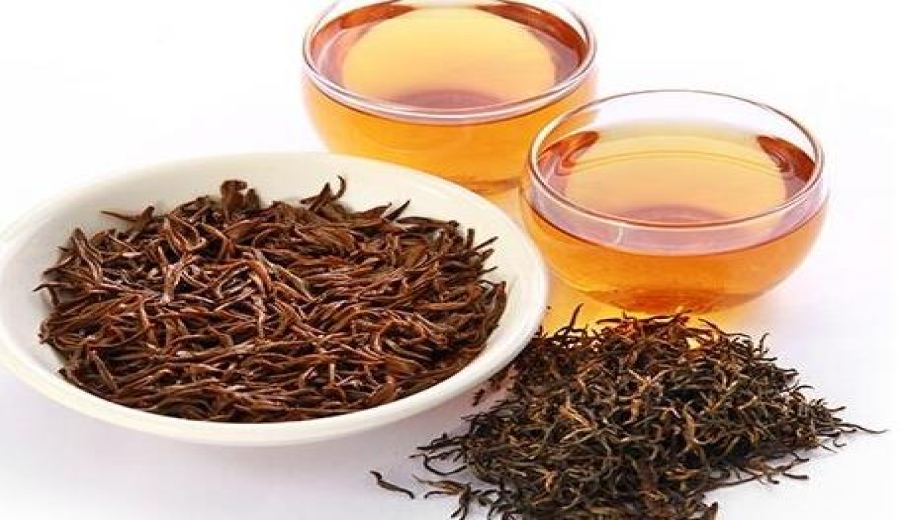
Many tea enthusiasts may not know that some tea types, in their early stages after production, are even more stable than green tea. Take black tea as an example: having undergone nearly complete oxidation during processing, its subsequent chemical changes are relatively slow, yet it still evolves in flavor over time. Newly produced black tea leaves are typically glossy and crisp to the touch, but as years pass, their appearance gradually darkens. High-quality black tea offers a rich, full-bodied taste upon first infusion, with pronounced aftertaste sweetness and a long-lasting finish; in contrast, lower-grade black teas, though bold in flavor, often lack complexity. However, regardless of initial style, after several years of storage, the tea liquor generally becomes smoother and more mellow. Notably, aged black tea stored for over ten years is often used in traditional Chinese medicine as an adjunctive beverage for soothing the lungs and relieving coughs.
Jasmine tea exhibits yet another aging characteristic. Although its base tea is mostly green tea, the repeated drying and roasting processes during production often give it a longer shelf life than typical green tea. In traditional production methods, to allow the tea leaves to absorb the fragrance of fresh jasmine blossoms, repeated scenting and roasting are required. This helps control the moisture content of the leaves, thereby extending their optimal drinking period. Even so, the pure and intense floral aroma usually lasts only three to five years before gradually transforming into a softer and more complex aromatic profile, while the tea liquor color shifts from yellow-green to brown or takes on a reddish hue.
Chinese oolong tea is renowned for its diverse personalities and rich layers, and time adds yet another dimension to its depth. Taking Wuyi rock tea, traditionally roasted Fujian Anxi oolong, and Guangdong Dancong oolong as examples, these teas develop unique roasted aromas and throat sensations through controlled oxidation levels and high-temperature roasting during production. In the new tea stage, darker oolongs exhibit a bright brownish hue with a glossy sheen; however, over time, their surface luster gradually fades, taking on a calm, deep coloration. In terms of taste, new teas often present as mellow and refreshing, while aged ones transition into richer, more complex, and sweeter profiles, with the originally pronounced roasted smokiness softening. For many tea lovers, this transformation is even more captivating.
It’s worth noting that oolong tea is extremely sensitive to humidity in its storage environment. Loose-leaf styles like Wuyi rock tea, for instance, are prone to absorbing moisture from the air, so it is recommended to regularly inspect and appropriately re-roast them to maintain tea quality. Some tea merchants even perform light re-firing using small roasting baskets after the late-summer rainy season to regulate the tea’s moisture content and flavor balance.
As for white tea, such as Baihao Yinzhen (Silver Needle) or Baimudan (White Peony), these teas often leave a first impression of freshness and subtlety, similar to green tea and other lightly fermented tea types. Newly produced white tea typically has a mild, smooth taste with natural sweetness, and its nature is even closer to that of lightly fermented teas than many dark teas. However, when white tea undergoes proper aging, its flavor transforms into something sweeter, smoother, and more layered, although some floral notes and initial fresh aromas may gradually fade. From a nutritional perspective, the flavonoid antioxidant content in aged white tea often increases due to oxidation, which is one of the reasons many people praise aged white tea. In traditional Chinese medicine, white tea itself is believed to have heat-clearing and fire-reducing properties, and aged white tea is considered to have even stronger tonic effects. It was once commonly used by herbalists as a medicinal tea ingredient. But as market prices have risen, such practical uses have gradually diminished.
The above content is compiled by CoffeeHunters, a coffee news website.


