







Introduction:Drip bags combine convenience with pour over quality, making them a daily choice for many coffee enthusiasts. But to brew a drip bag coffee with rich flavor layers, the key lies in mastering the correct brewing method—including water temperature control, pouring technique, and coffee-to-water ratio. This article details the brewing principles of drip bags, step-by-step section pouring, common issues explained, and recommends drip bag options for different flavor preferences, helping you easily replicate a professional-grade taste.
Thanks to their convenient filter bag design, drip bags allow users without professional equipment to enjoy a near-pour over coffee experience at home. Although the operation may seem simple, what truly affects the flavor are often the easily overlooked details—especially water temperature and total water volume. This article will introduce the brewing principles of drip bags in an easy-to-understand way and break down the optimal brewing process step by step, so you can also consistently brew a cup of black coffee with bright aroma and clean taste.
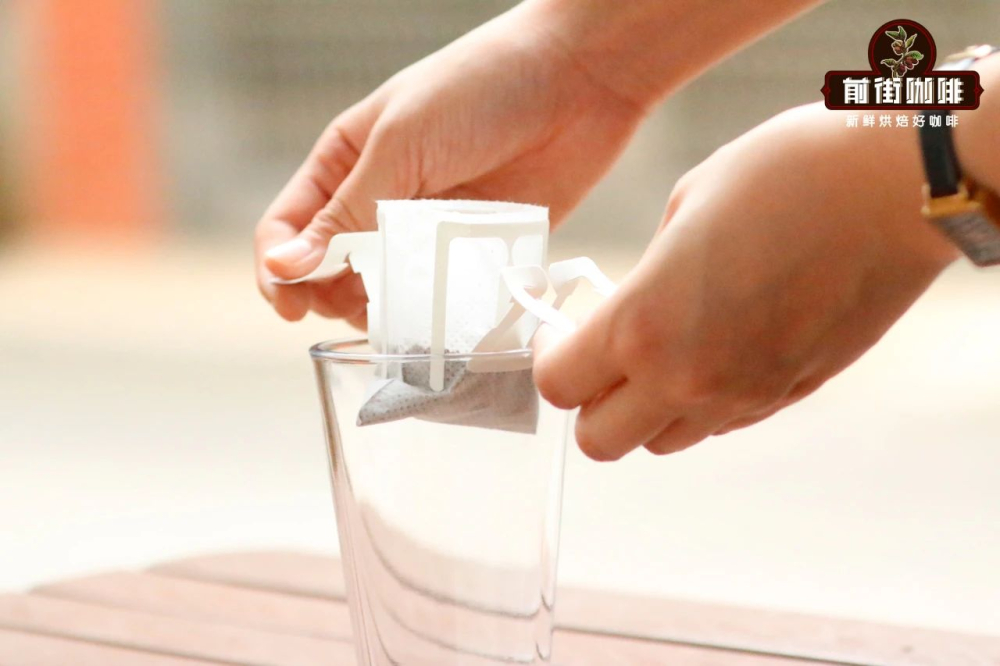
First, let’s clarify what a drip bag is. It is a filter bag containing pre-ground coffee, with “ears” on both sides that can be hung on the rim of a cup, allowing users to directly pour hot water into the bag for extraction. Completely different from instant coffee, the coffee grounds inside a drip bag retain all the flavor compounds, but they need to be released through proper brewing. If you simply tear open the drip bag and soak the coffee grounds directly in hot water, not only will it fail to effectively filter out coffee grounds, but it also won’t showcase the layers and aroma that coffee should have.
From the extraction principle, drip bags are actually very similar to pour over coffee, both using hot water to pass through the coffee grounds layer to extract the flavor compounds. The biggest difference is that drip bags skip the steps of using a filter cone, filter paper, and grinding beans, providing convenience in a pre-packaged form. As long as you control the water temperature and water volume well, you can enjoy a cup of coffee close to the level of professional pour over even at home.
So, how should drip bag coffee be brewed correctly? Actually, it doesn’t require as strict techniques as pour over, such as circular pouring or precise timing control, but there are still some key factors that greatly affect the final flavor, especiallywater temperatureandtotal water volume.
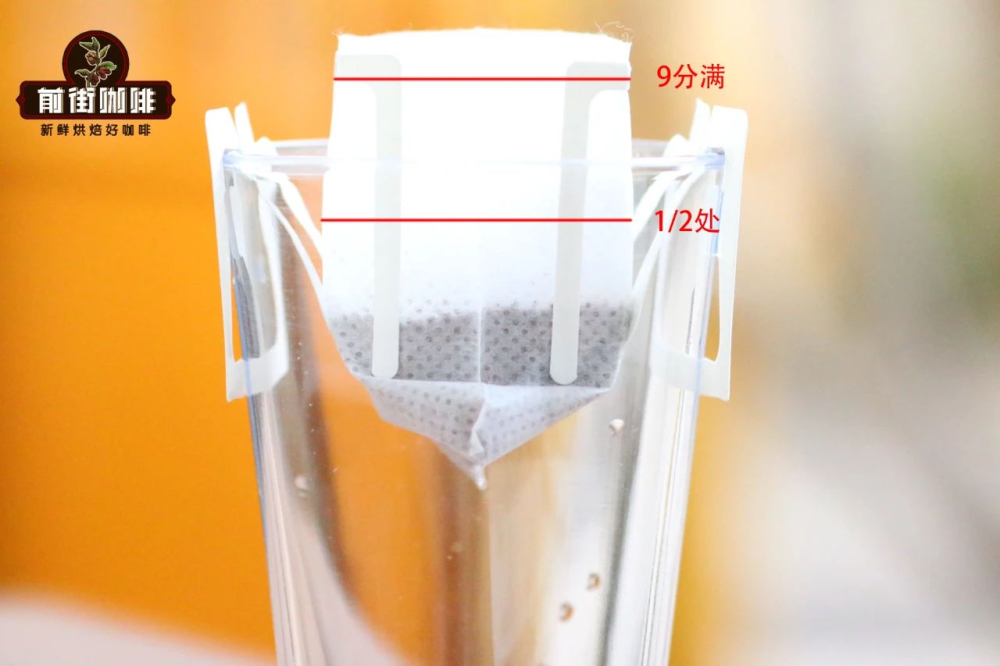
The recommended water temperature range is91~95°C. This temperature can fully extract the aroma and flavor compounds from the coffee without being too high, which could lead to over-extraction and bitterness. Many homes or offices use water dispensers for heating, but such water is usually only about 75°C, which makes it difficult to effectively bring out the complexity of the coffee, often resulting in a flat-tasting cup. If conditions allow, it is recommended to let boiled water cool for about 1 minute, bringing the temperature down to the suitable extraction range.
As for water volume, generally speaking, for a standard 10g drip bag, it is recommended to pour120~150 millilitersof hot water. This ratio is about 1:12 to 1:15, which falls within the range most people find palatable. If you are using a common 300ml mug, you just need to observe the water level. When the coffee liquid approaches the 150ml mark of the cup, you can remove the drip bag. Even without an electronic scale, as long as you have a general sense of capacity, you can still brew coffee with a reasonable ratio.
Here is a practical step-by-step section pouring method that requires no complicated techniques but still allows for stable operation:
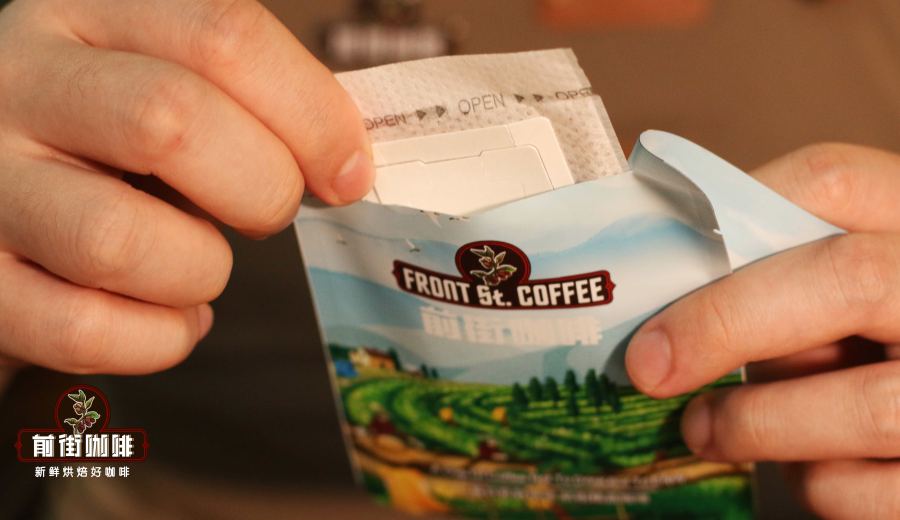
① Tear open the drip bag and hang the two “ears” on the rim of the cup.
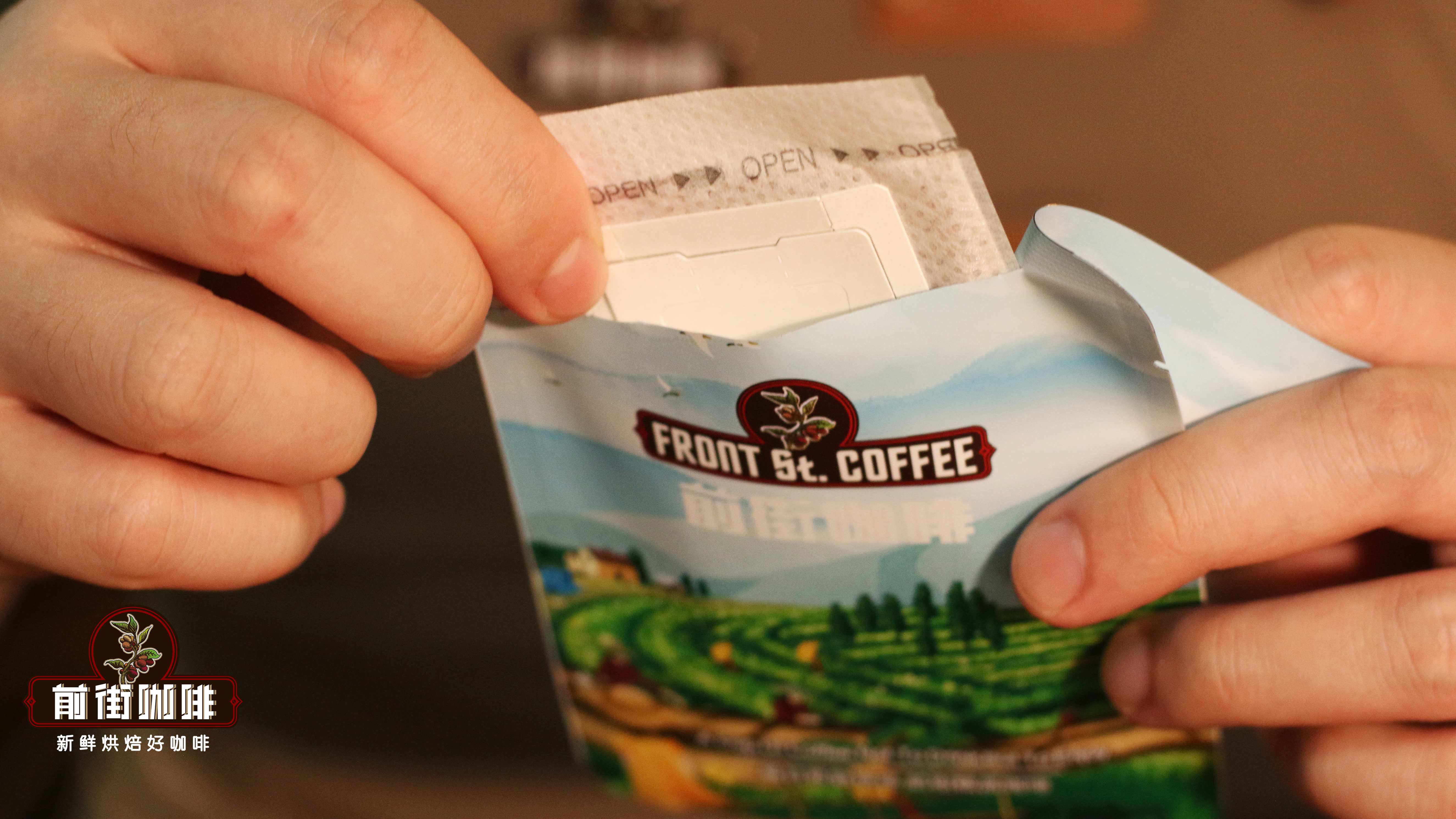
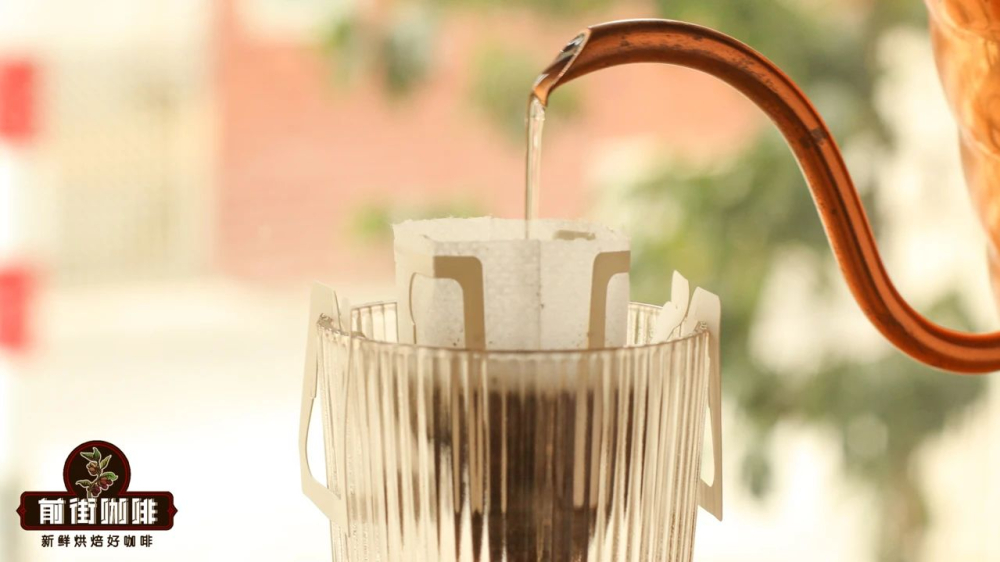
② First, pour the first section of hot water, with the amount being about half the height of the filter bag. Let it sit for about 15 seconds to allow the coffee grounds to bloom fully.
③ Then pour the second section of water, adding until the filter bag is about nine-tenths full, roughly up to the position of the small card at the top, then stop.
④ After the coffee liquid has finished dripping, pour the third section of water again, also up to nine-tenths full.
⑤ Finally, pour the fourth section of water in the same way, wait for the dripping to finish, then remove the drip bag.
This method of operation usually results in a total water volume of around 150 milliliters, which is the most suitable range for most people’s tastes. After each addition of water, you should wait for the filtrate to completely drip through before proceeding to the next section, ensuring even extraction without overly concentrated extraction.
Next, let’s talk about how to choose a suitable drip bag based on personal taste preferences. Flavor preferences can generally be divided into several types:
Those who like floral aromas can try options with distinct citrus and floral notes, such as certain beans from high-altitude producing regions; readers who prefer bright fruity acidity can choose coffees with black tea and berry flavors, offering a lively and refreshing taste; if you prefer a balanced and non-irritating taste, medium to dark roasted Brazilian beans are usually a safe bet, stable and with notes of chocolate and nuts; for those seeking rich, full-bodied flavors with a pronounced aftertaste, it is recommended to choose carefully hand-selected high-quality Indonesian bean varieties, offering complex layers and a long-lasting finish.
Some users may find that the drip bag coffee they brew tastes rather thin, not as rich as pour over. This is actually related to multiple factors. First, drip bags use pre-ground coffee, and over time, the aroma gradually dissipates, so it is recommended to consume them soon after purchase to enjoy the best flavor period. Secondly, because the brewing method of drip bags is relatively free, insufficient water temperature or incorrect water volume may lead to incomplete extraction, making the coffee taste bland.
To fully unleash the potential of the coffee, in addition to controlling water temperature and volume, it is recommended to use drip bag products made from freshly roasted coffee beans, and pay attention to storage methods. Generally, it is recommended to consume the drip bags within one to two weeks after receiving them, to avoid prolonged exposure to air leading to aroma loss. If you are pursuing a higher-level coffee experience, grinding and brewing fresh beans will undoubtedly deliver a more robust flavor performance.
In summary, the key to brewing a good cup of drip bag coffee lies inmaintaining the water temperature between 91~95°C, and using a1:15 coffee-to-water ratio(approximately 10g of coffee to 150ml of water) as the base for adjustment. Without the need for complicated equipment, just by mastering these basic principles, you can easily enjoy a professional-grade pour over taste at home. By continuously trying drip bag products with different flavor profiles, you will be able to find the one that best suits your taste and embark on your own coffee exploration journey.
The above content is compiled by CoffeeHunters, a coffee news website.


