







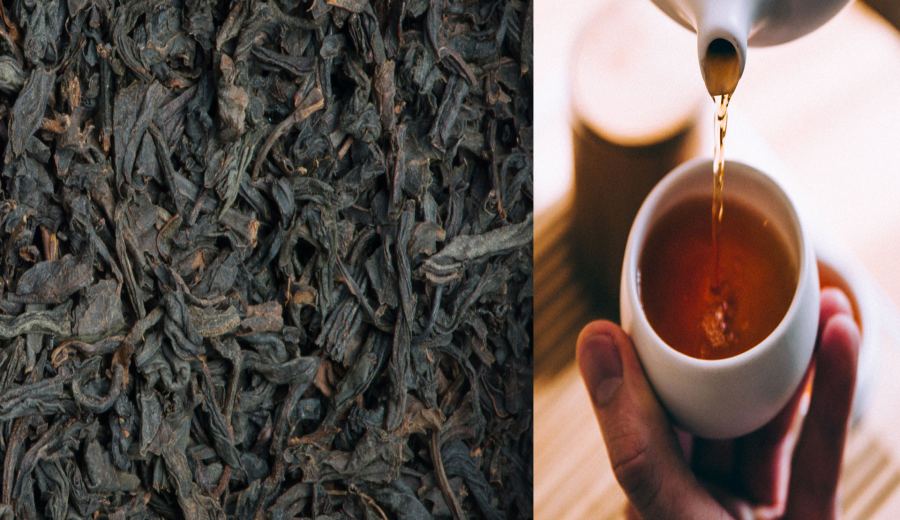
Introduction:Both purple tea and black tea are beloved beverages, but they differ greatly in production processes, sources of color, and health benefits. This article will provide a detailed comparison between the two, exploring their genetic backgrounds, processing steps, flavor characteristics, and nutritional value to help you understand the unique qualities of each and choose based on your taste preferences and health needs.
The reason black tea is called "black tea" is because its brewed liquor presents a warm reddish hue. This type of tea gained popularity in Britain during the 18th century and remains widely enjoyed by consumers in India, Sri Lanka, and Western countries. In contrast, although China produces less than 15% of its total annual tea output as black tea, its varieties showcase remarkable aroma and complexity.
To understand black tea, we must first look at its production process. Generally, the tea leaves used for black tea are slightly more mature than those for green tea. These leaves undergo withering, where about 60% of their moisture evaporates, making them soft and easier to process. They are then rolled, applying physical pressure to break down cell walls, releasing internal enzymes and initiating oxidation. After moderate oxidation, the leaves are dried, graded, and sorted to become the familiar black tea.
The production of Chinese black tea has its own distinctive methods. For example, withering time is usually longer, which helps accumulate and develop aroma. The oxidation process is also slower, resulting in a richer flavor while effectively reducing astringency. Additionally, Chinese black tea is often based on sweet leaf buds rich in amino acids and polyphenols, so the final product tends to have a smoother and sweeter taste, lacking some of the dryness and heaviness commonly found in foreign black teas.
It is recommended to brew Chinese black tea using short infusions multiple times, allowing the tea leaves to gradually unfurl. This helps capture its layers and nuances more fully. Use water close to boiling point and brewing vessels such as a gaiwan or clay teapot to better highlight the tea’s characteristic richness and aroma. Examples of well-regarded Chinese black teas include Dongmei, Sleeping Lotus, and Feixiang.
Next, let’s meet a true “oddity” among teas — purple tea. Although purple tea belongs to the same family as black tea, it has a completely different “outfit” and essence. The distinctive purple color of this tea is not due to any special dyes or processing techniques, but rather a naturally occurring genetic mutation.
Purple tea was first discovered in certain high-altitude tea-growing regions in southern Yunnan, China. These areas have intense ultraviolet radiation, which over time stimulates the tea plants to produce large amounts of anthocyanins — a type of flavonoid compound with powerful antioxidant properties. This pigment accumulates in the leaves, giving the tea its notable purple hue.
Anthocyanins not only give purple tea its appealing appearance, but research has also confirmed that it offers numerous health benefits. This bioactive compound is believed to have anti-inflammatory and antibacterial properties, and may even positively impact the inhibition of cancer cells, improve visual function, prevent neurodegenerative diseases, and support liver function. Therefore, in addition to being an everyday beverage, purple tea is considered a specialty tea with potential health-promoting value.
As for the flavor profile of purple tea, it showcases a character quite distinct from that of black tea. Purple tea typically offers a gentle sweetness and emits a fresh, forest-like aroma. Due to its lower tannin content, it doesn’t produce the noticeable astringency associated with black or green teas, resulting in an overall smoother and more palatable taste.
Taking commonly available purple tea products as examples, some exhibit vibrant floral notes with a rich and full-bodied mouthfeel, making them ideal for consumers who enjoy refreshing flavors and seek added health benefits. If you’ve ever found the intensity of black tea overwhelming, why not try purple tea — it might just offer you a whole new tea-drinking experience.
The above content is compiled by CoffeeHunters, a coffee news website.


