







Introduction:Darjeeling tea gardens are not only a UNESCO World Heritage Site but also a sacred destination for tea enthusiasts around the globe. This article delves into five renowned gardens—Puttabong, Glenburn, Makaibari, Gopaldhara, and Okayti—exploring their historical backgrounds, altitudes, cultivation characteristics, and black tea flavor profiles to help you understand the unique personality of each garden’s teas. Whether you’re new to Darjeeling black tea or a seasoned connoisseur seeking high-quality muscatel notes, this comprehensive guide will help you find your perfect cup.
Among India’s many tea-growing regions, Darjeeling stands out with its exceptional geographical environment and refined tea-making craftsmanship. It has been designated a UNESCO World Heritage Site and is hailed as a holy land in the world of tea. The black teas produced here are celebrated for their delicate aromas and layered flavors, with the five top-tier gardens being the most representative. This article will take you on a journey through Puttabong, Glenburn, Makaibari, Gopaldhara, and Okayti. From their historical contexts, growing environments, and altitudes to the flavor characteristics and market positioning of their black teas, you’ll gain an in-depth understanding of the unique charm of each garden.
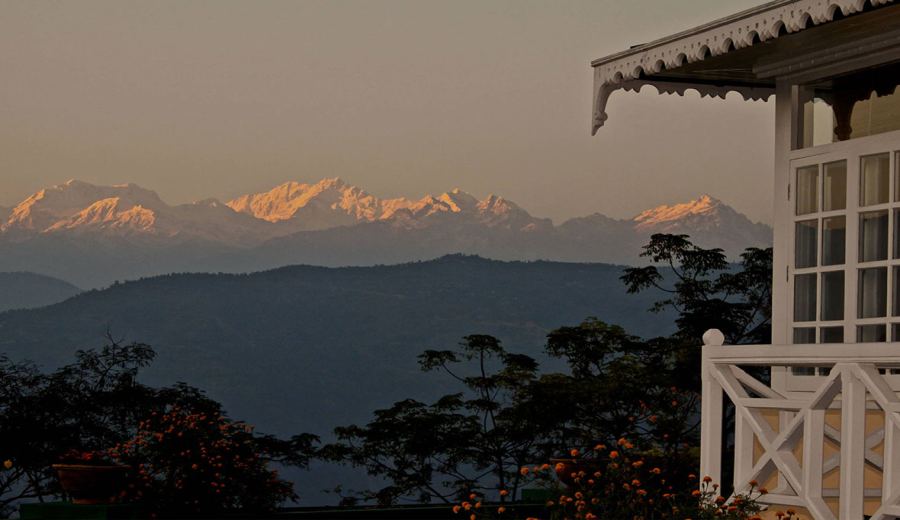
First, we visit Puttabong Tea Garden, one of the largest gardens in Darjeeling, boasting breathtaking views of the Kangchenjunga mountain range. The garden spans elevations between 1,500 and 6,500 feet and is said to be one of the earliest areas in Darjeeling where tea cultivation began. It was also the first to introduce mechanical pruning techniques and engage in commercial operations. Puttabong grows a variety of Darjeeling clonal varieties, Chinary bushes, and clonal tea plants well-suited to the local climate, and is known for its sustainable agricultural practices, including a large worm composting facility, cattle farming, and facilities that produce liquid fertilizer from local herbs. Its light muscatel-flavored hand-blended teas and silver tips are classics beloved by many tea aficionados.
Next is Glenburn Tea Garden, located on a small hillside along the Rangeet River. Established in 1859 by the Scots and later managed by the Prakash family, this small garden boasts an environment as elegant as a European vineyard. In addition to offering tea tastings, it also features luxury villas for visitor stays. Guests can enjoy historical tours, peaceful walks, and witness the entire process of tea plucking and production firsthand. Glenburn is renowned for producing high-quality black and green teas with natural floral notes and malty aftertastes, making it an excellent place to experience Darjeeling’s tea culture and natural beauty.
Makaibari Tea Garden is a flagship of organic tea in Darjeeling. Founded in 1859 by the Banerjee family, it has been managed by the same family for over four generations. The garden is not only home to the world’s first tea factory but is also celebrated for its biodynamic and sustainable cultivation practices. Tea trees coexist with pristine subtropical rainforests, making it a truly organic tea garden. The Banerjee family is committed to soil conservation and improving the lives of tea farmers. Their organic teas, such as pearl white tea, are highly regarded by organic tea lovers and environmental advocates.
Established in 1955, Gopaldhara Tea Garden is located in the heart of the Mirik Valley, at elevations between 5,500 and 7,000 feet, making it one of the highest-altitude gardens in the region. Spanning 320 hectares, with 172 hectares dedicated to tea cultivation, the garden is known for producing high-quality handmade teas such as Pearl, Buddha, Olympic Flame, and Silver Tips. It is also a pioneer in innovative tea processing techniques, particularly its first flush and second flush teas, with the first flush tea “Maharani of Darjeeling” being a must-try classic for tea enthusiasts.
Finally, there’s Okayti Tea Garden, established in the 1870s and also known as Rangdoo Tea Estate, located in the Mirik Valley adjacent to Gopaldhara. Covering a vast area of 648 hectares, with approximately 209 hectares under cultivation, it is one of the largest gardens in the region. Okayti tea is known for its balanced flavor profile, combining briskness with richness, and features aromas of dried fruits and nuts. Its orthodox black teas (first and second flush), specialty green teas, and white teas are all highly praised. Nestled by the beautiful undulating Rangit River and surrounded by dense forests, the garden coexists with local flora and fauna, adding a serene natural ambiance to the tea-drinking experience.
Whether you’re looking to explore the diverse flavors of Darjeeling black tea or seeking a premium tea suitable for pour over or brewing, the distinctive black teas from these five gardens cater to all preferences. From the light muscatel of Puttabong to the nutty and dried fruit notes of Okayti, each tea carries its own regional character and craftsmanship, worthy of careful savoring by every tea lover.
The above content is compiled by CoffeeHunters, a coffee news website.


