







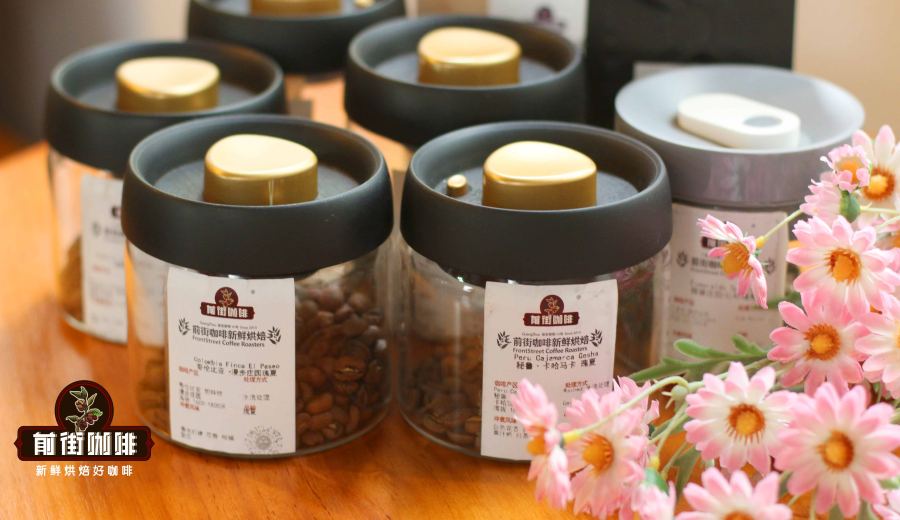
Introduction:Panamanian Geisha coffee is renowned for its unique floral and fruity notes, making it a highly sought-after variety among coffee enthusiasts. However, its premium price often deters many. In fact, the "Butterfly Pea" coffee bean from the same producing region contains up to 70% Geisha heritage, offering a similar flavor profile at a more accessible price—making it an excellent entry point to experience Geisha characteristics. This article delves into the distinct features of Panama’s three major Geisha-growing regions, explores the variety composition, processing methods, and flavor profile of Butterfly Pea, and provides practical pour-over brewing recommendations.
In the world of specialty coffee, Panamanian Geisha is undoubtedly one of the brightest stars. Its distinctive jasmine, citrus, and fruity aromas, paired with a sweet finish of sweet potato and caramel, have made it a consistent winner in auction markets. However, Geisha beans from renowned estates like Hacienda La Esmeralda often cost hundreds of dollars per pound, putting them out of reach for the average consumer. In reality, within Panama’s Boquete region, there’s a bean with Geisha lineage—the "Butterfly Pea," which contains up to 70% Geisha and delivers comparable flavor complexity at a relatively reasonable price, making it the ideal introductory choice for experiencing the essence of Geisha.
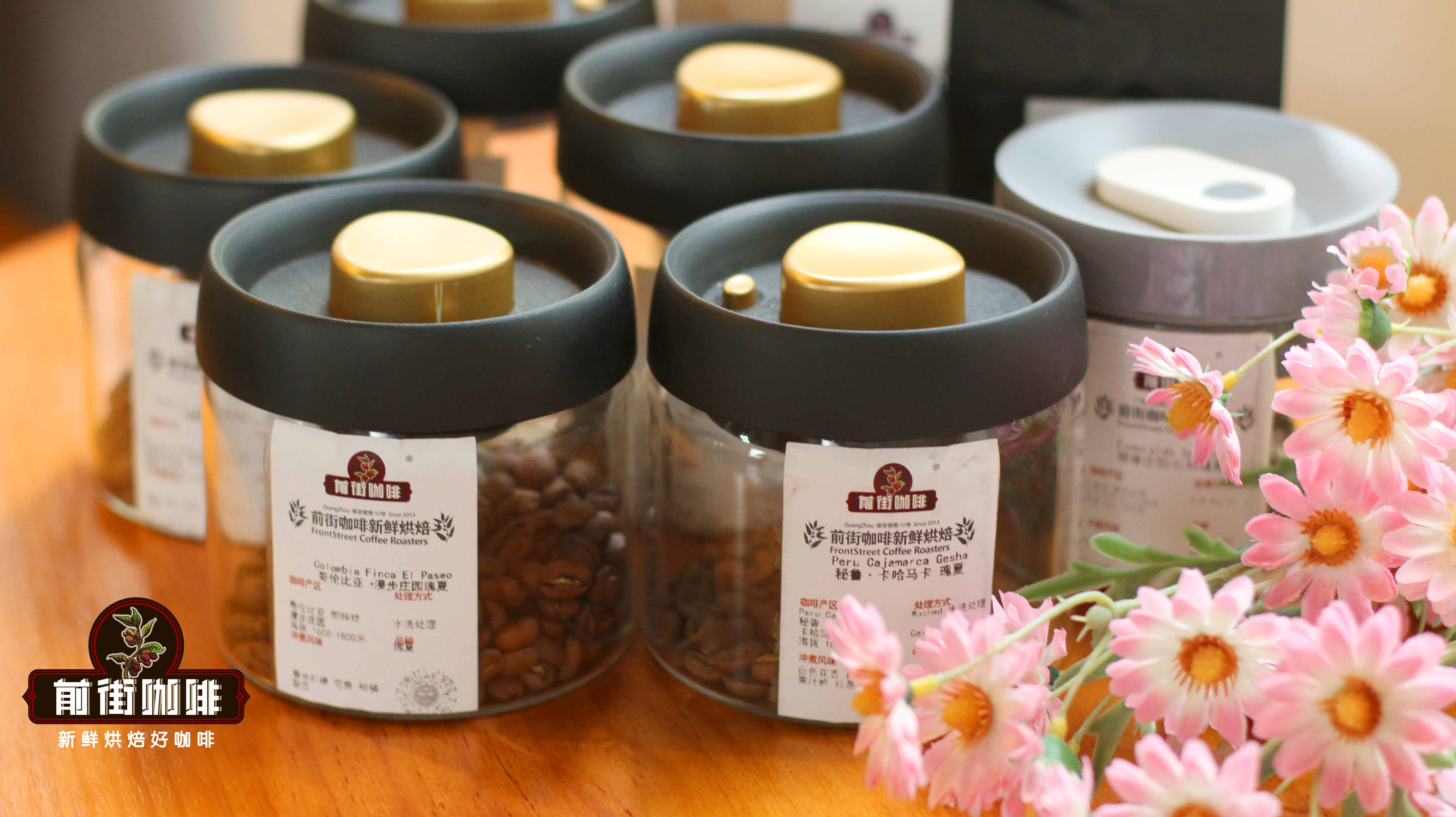
When mentioning Geisha, most people first think of Panama, but this variety also has a presence in Ethiopia and Costa Rica. In Panama, offerings like the Emerald Red Label, Green Label, and Boquete Geisha are celebrated for their clear floral notes, citrus acidity, and flavors of black tea and peach-plum, delivering a refreshing taste with a long-lasting finish—a hallmark of high-altitude Geisha. For those seeking regional diversity, Ethiopia’s Geisha Village Red and Gold Labels feature bright berry acidity and chamomile aromas, with a tea-like clean finish. Costa Rica’s Strawberry Candy, on the other hand, highlights a honey process that brings out intense sweetness, blending complex notes of rose, grape, and chocolate.
The Geisha variety originally hails from Gesha Mountain in southwestern Ethiopia. The Geisha we know today originates from wild strains found in the Gori Gesha Forest. Thus, "Geisha" is both a varietal name and a place name, explaining its strong regional character and floral-fruity aromas. Due to its rarity and high quality, top-tier Geisha beans on the market are often prohibitively expensive, making them less of an everyday choice for most coffee lovers. However, the "Butterfly Pea" coffee bean, with its 70% Geisha heritage, offers a more affordable alternative, allowing enthusiasts to enjoy the charm of Geisha without breaking the bank.
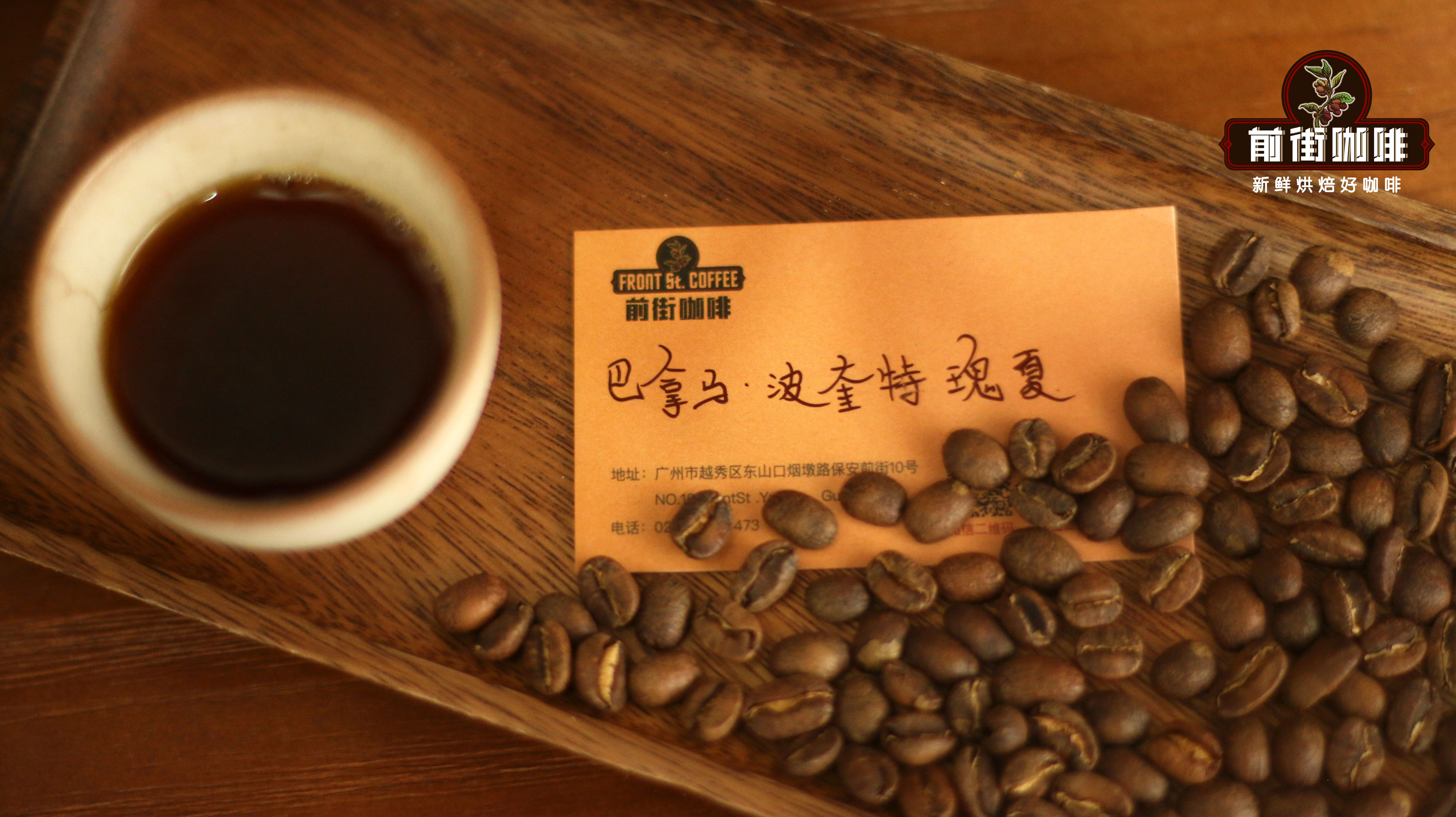
Butterfly Pea coffee beans are grown in the Barú Volcano region of Panama’s Boquete area, at an altitude of about 1,600 meters—a classic high-altitude cultivation environment. Its varietal blend includes Geisha, Caturra, and Catuai, processed using the washed method with a medium-light roast level. This perfectly highlights floral and fruity aromas with a black tea base, accompanied by bright acidity from berries and citrus, and a finish with subtle nutty notes. The overall cup is smooth, low in bitterness, with balanced acidity—making it highly suitable for coffee drinkers who prefer fresh and vibrant flavor profiles.
The Boquete region’s ability to produce such high-quality coffee is inseparable from its exceptional geographical conditions. Panama, located in Central America, borders Costa Rica to the west and Colombia to the east. Its mountainous terrain, with the central mountain range effectively blocking cold air, creates stable microclimates in high-altitude areas. Coupled with significant day-night temperature variations, even rainfall distribution, and mineral-rich volcanic soil, these factors provide an ideal growing environment for coffee trees. Beyond the famous Hacienda La Esmeralda, estates like Elida and Caturra Duncan are also renowned for producing premium specialty coffee.
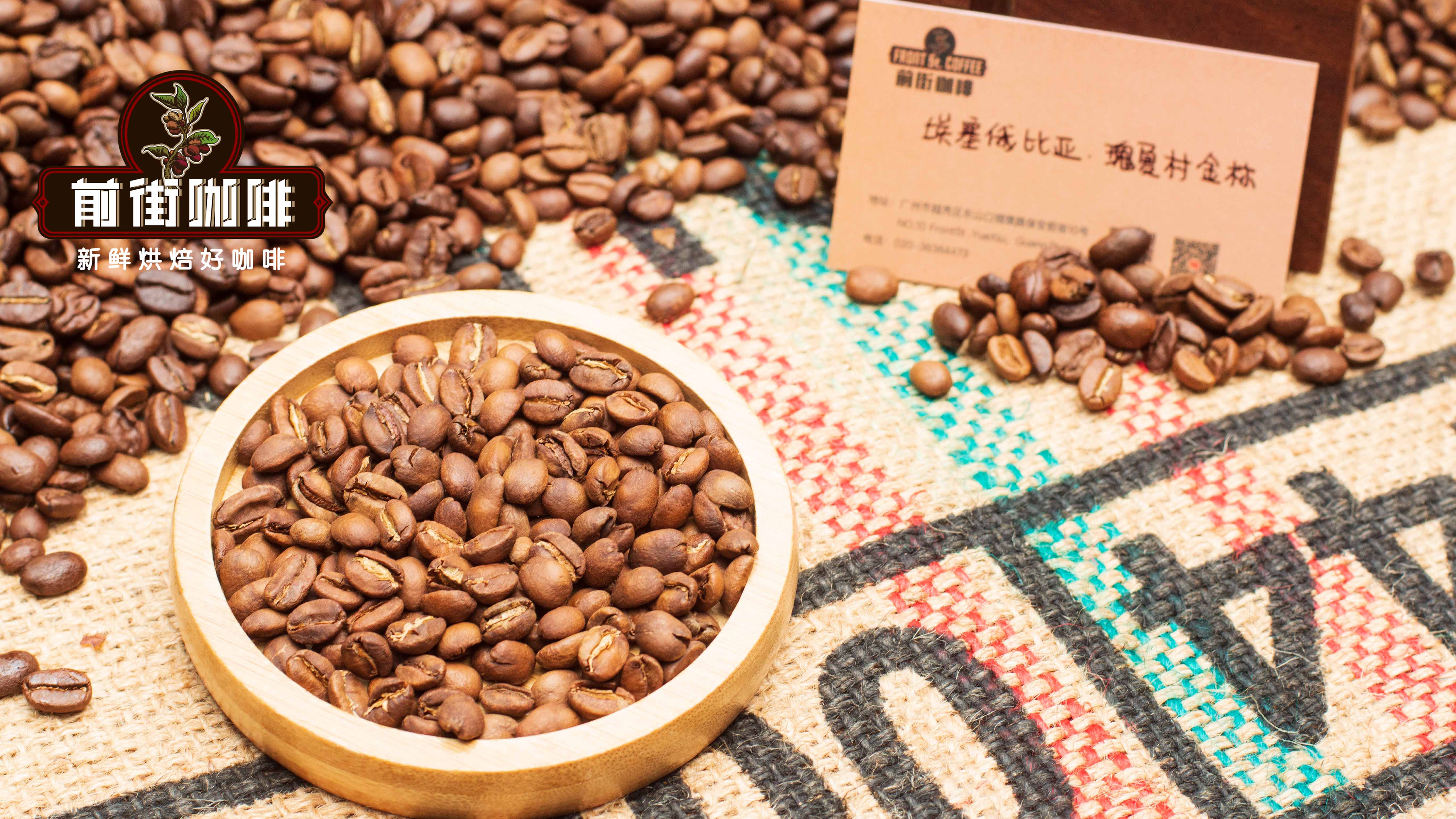
What makes Butterfly Pea unique isn’t just its high Geisha content, but also its special cultivation background. It’s reported that the estate initially interplanted Geisha with Caturra and Catuai to boost yields. Although the varieties were later separated, they were still harvested and processed together, resulting in its distinctive blended flavor profile. Additionally, Butterfly Pea was originally named "Cupid," with an initial Geisha proportion of just 30%. Based on market feedback, this was gradually adjusted to 50%, and eventually increased to 70%, leading to its renaming as the more symbolic "Butterfly Pea"—representing the harmonious coexistence of its diverse varietals, as colorful and vibrant as butterflies.
For readers who enjoy brewing their own pour-over coffee, Butterfly Pea’s medium-light roast characteristics recommend using a medium-fine grind (similar in size to granulated sugar), with water temperature controlled at 90–92°C. A 1:15 to 1:16 coffee-to-water ratio, brewed via the pulse pouring method, can fully showcase its floral and fruity acidity layers. Whether you’re new to Geisha flavors or seeking a high-value alternative, Butterfly Pea is a highly worthwhile Panamanian specialty coffee bean to try.
The above content is compiled by CoffeeHunters, a coffee news website.


