







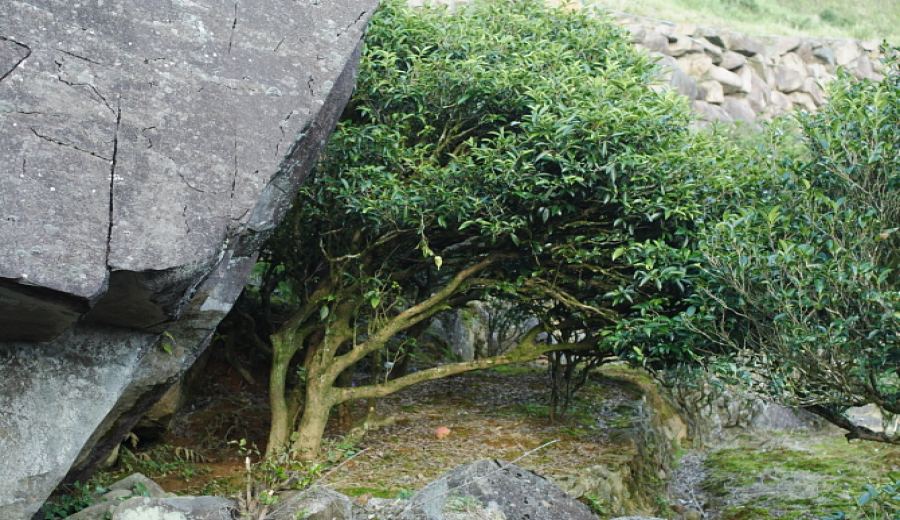
Introduction:Chinese oolong tea, with its diverse oxidation levels and processing methods, showcases an exceptionally rich spectrum of flavors. From Tieguanyin of southern Fujian and rock tea from Wuyi Mountain to Dancong tea from Phoenix Mountain in Guangdong, each type has its own unique aroma, taste, and brewing method. This article will delve into the differences among the three and provide practical brewing parameters and tips to help you get the best out of each tea.
Chinese oolong tea is a semi-oxidized tea category, and its production process is complex, often involving more than twenty steps, which gives rise to its varied colors, aromas, and tastes. Compared to green and black teas, it retains both the freshness and vitality and the depth and richness of flavor. With its diverse oxidation levels ranging from as low as 10% to over 90%, it exhibits extremely rich expressiveness. It is worth noting that oolong tea is the only tea category among many that is not named after its color.
Fujian and Guangdong, as the main producing regions of Chinese oolong tea, each have their own uniquely flavored representative teas. Fujian is famous for Tieguanyin and Wuyi rock tea, while Guangdong is known for Dancong tea. These three teas differ not only in origin but also significantly in leaf shape, oxidation level, roasting technique, and final flavor profile. Understanding their characteristics and brewing methods can help you better appreciate the subtle changes in each infusion.
Tieguanyin, an oolong tea originating from Anxi, Fujian, is beloved for its tightly rolled, spherical leaf shape and diverse flavors. Depending on the production process, it can be divided into traditional heavily roasted versions and modern ones with lighter oxidation. Traditional heavily roasted Tieguanyin often carries a mellow roasted aroma with a slight metallic note, a rich body, and a steady sweetness. In contrast, modern lightly roasted versions may present fresh floral notes, creamy aromas, or even a slight acidity, offering a fresher taste closer to green tea yet still retaining the layered complexity of oolong.
Wuyi rock tea is a gem from the Wuyi Mountain area of Fujian. The tea leaves are twisted, medium in length, and plump in flesh. Grown at different altitudes in the mountainous region, they develop unique mineral flavors and deep aromatic profiles. Among them, the most renowned Da Hong Pao is not only the representative of Wuyi rock tea but also one of the most expensive teas in the world. Other varieties such as Qilan, Shuixian, and Tie Luohan also have their own distinct features, ranging from floral-fruity to woody notes, all showcasing the unique “rock charm” and well-defined aftertaste of rock tea.
Guangdong’s Dancong tea is the most aromatic and challenging to brew among oolong teas. This tea is harvested from old tea trees in the Phoenix Mountain area, and each tree can produce tea with a unique aroma. Common flavor notes include honey, almond, orchid, and osmanthus. Dancong tea has an intense and variable aroma, but due to its rich content, improper brewing can easily lead to over-extraction or bitterness. It is recommended to use a small teapot, add a generous amount of tea leaves, and use near-boiling water for short infusions multiple times, strictly controlling the steeping time of each brew to fully bring out its delicate aroma and throat feel.
Oxidation level has a decisive impact on the aroma and taste of oolong tea. Lightly oxidized oolong tea has flavors similar to green tea with nutty notes, a refreshing taste, and aromas dominated by floral or cooked vegetable tones, with lower vegetal grassiness, often accompanied by creamy or floral notes. On the other hand, highly roasted or heavily oxidized oolong tea presents intense roasted sensations, warm woody aromas, and even slight metallic or caramel aftertastes, with a rich body and a long-lasting finish.
It is worth noting that besides oxidation level, roasting, firing, and aging processes also play key roles in the flavor development of oolong tea. Moderate firing can enhance the complexity and sweetness of the tea’s aroma, while long-term aged oolong tea may transform into something akin to mature tea—mellow and rich with a deep aftertaste, and a smoother liquor with a profound finish.
When tasting oolong tea, the most fascinating aspect is the transformation between each infusion. Even when using Western-style brewing methods, multiple infusions are recommended to experience the evolving aroma over time. Oolong tea generally does not easily turn bitter or astringent, but if the first infusion has too long a steeping time or too high a water temperature, it can easily affect the performance of subsequent infusions. Therefore, it is suggested to pour the first brew quickly to awaken the tea leaves without damaging their delicate inner qualities.
The above content is compiled by CoffeeHunters, a coffee news website.


