







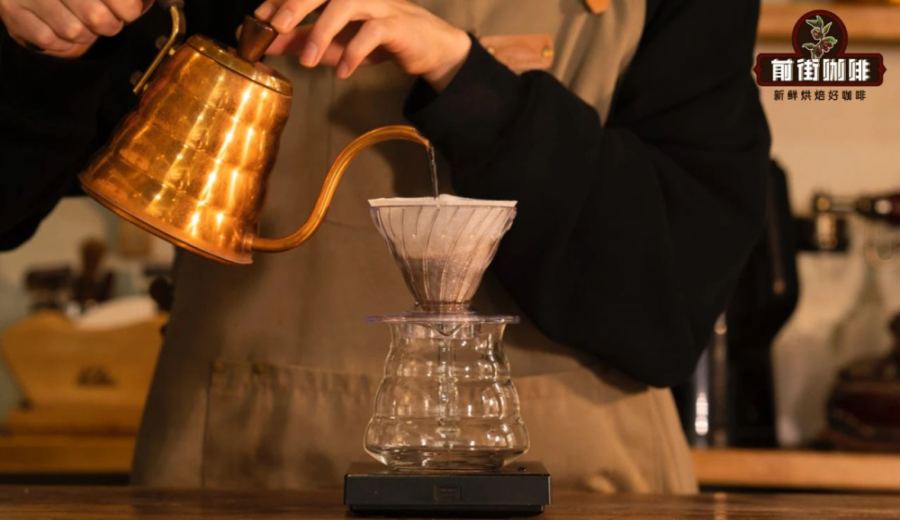
Introduction:Want to brew a bright and flavorful specialty pour over coffee at home but don’t know where to start? This article takes the perspective of a beginner, providing a detailed analysis of essential pour over equipment selection—including recommended grinders, filter cones, and gooseneck kettles—and delving into key variables such as water temperature, brew ratio, grind size, and brewing time to help you master the secrets of stable extraction. Using Ethiopian Yirgacheffe as an example, it also introduces the origin’s characteristics and flavor profile, along with practical V60 brewing parameters and step-by-step pouring methods to help you easily recreate the classic regional flavors.
For those new to pour over coffee, facing a dazzling array of equipment and parameters can often feel overwhelming. In reality, mastering just a few key elements is all it takes to brew a great cup of coffee with layered flavors at home. This article will guide you step by step—from equipment selection, core parameter control, to practical operation examples—into the world of pour over coffee.
First, choosing the right basic equipment is the first step to success.Coffee beansare naturally the most important factor. It’s recommended to choose freshly roasted, high-quality beans according to your budget, rather than blindly pursuing expensive equipment. Many beginners tend to fall into the trap of gear obsession, but in fact, what most influences the flavor of your coffee is the beans in your hand and the details of the grind. In addition,the grinderyou choose is extremely crucial. A machine that can provide a consistent grind size can significantly improve extraction consistency, making it far more practical than a flashy pour over kettle.
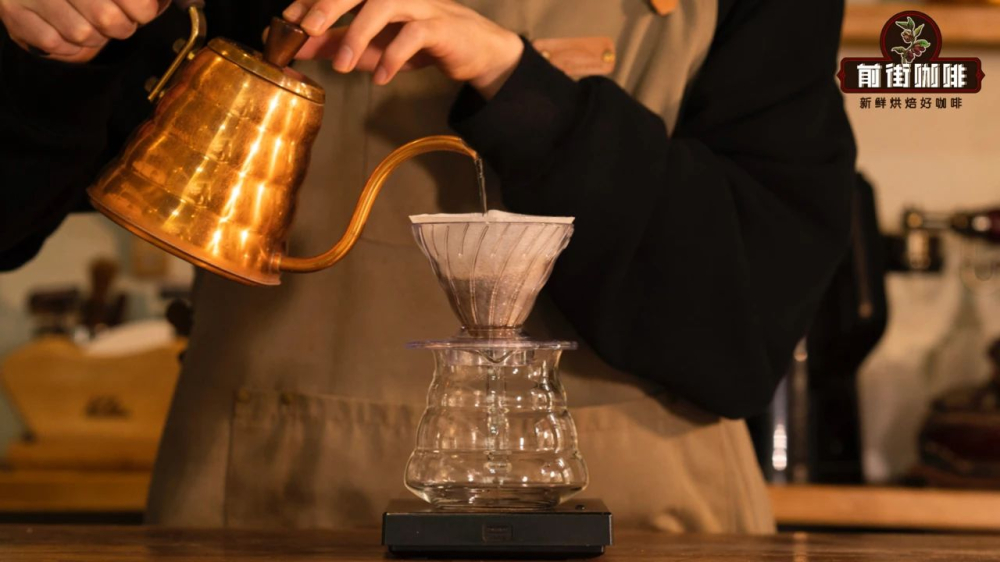
When it comes to equipment,the pour over kettle’s flow control ability affects the stability of pouring, whilethe filter cone’s design influences water flow distribution and extraction efficiency. For beginners, the V60 is the most common and easy-to-use option, with its brisk flow rate and clear layering performance, making it very suitable for practicing pour over techniques. As for filter paper, remember to choose a type that matches your filter cone and wet it in advance to reduce paper taste interference.
Next, let’s focus on the four major variables that most deeply influence coffee flavor: water quality, water temperature, coffee dosage, and time. First iswater temperature, which is generally recommended to be between 90 and 96°C. For lightly roasted Yirgacheffe,92-93°C it is a moderately suitable choice, capable of fully extracting bright acidity and fruity floral aromas. Using filtered or soft water can avoid impurity interference, making the pure flavors of the coffee stand out more.
Regardingbrew ratio, the commonly recommended golden ratio is 1:15 to 1:16, meaning 1 gram of coffee grounds to 15–16 grams of water. Taking 15 grams of coffee powder as an example, the total water volume would be about 225 grams. This ratio balances richness and clarity of flavor. As forgrind size, it is recommended to adjust it to the coarseness of fine sugar, using a No. 20 sieve to achieve about 78% passing rate, ensuring a moderate extraction rate.
Finally, there’sbrewing time, which is generally controlled within 2 minutes to 2 minutes and 30 seconds. Overly long extraction times may lead to over-extraction, resulting in bitter and astringent off-flavors; too short may under-extract, leaving the flavor thin. Mastering these variables allows you to stably replicate a well-balanced pour over coffee.
To put theory into practice, we’ll use Ethiopian Yirgacheffe as an example to illustrate the actual brewing process. Yirgacheffe is located in a highland region at an altitude of 1700 to 2200 meters, with a cool climate where coffee cherries mature slowly, allowing rich flavor compounds to accumulate. This coffee is known for its unique lemony acidity, citrus tones, and honey-like sweetness, with a fresh and bright mouthfeel, making it a favorite among many coffee beginners.
The popularity of Yirgacheffe stems from its breaking of the traditional notion that ‘coffee must be bitter’. With fruit acidity and floral notes as the main profile, it presents a refreshing flavor like fruit tea. The lightly roasted processing method retains more acidic substances and delicate aromas, making it widely popular in the specialty coffee markets around the world.
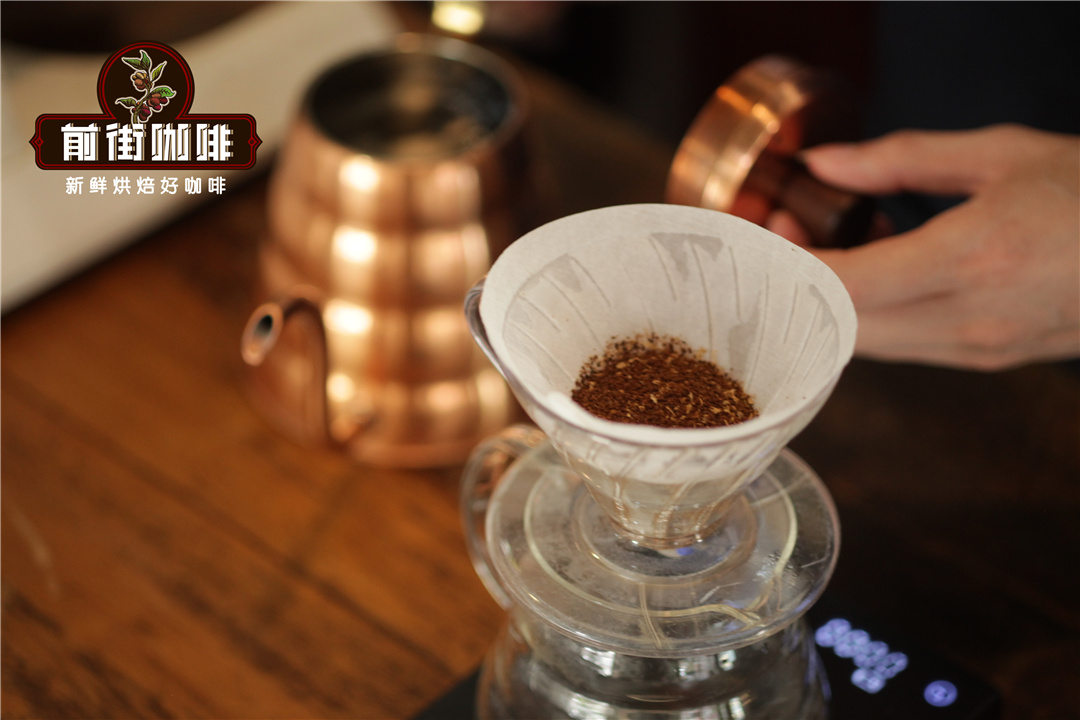
For actual brewing, it is recommended to use a V60 filter cone, paired witha water temperature of 92–93°C,15 grams of coffee powder, and brewed at a1:15 brew ratio. The grind size is set to the coarseness of fine sugar, sieved through a No. 20 sieve to approximately 78% passing rate.
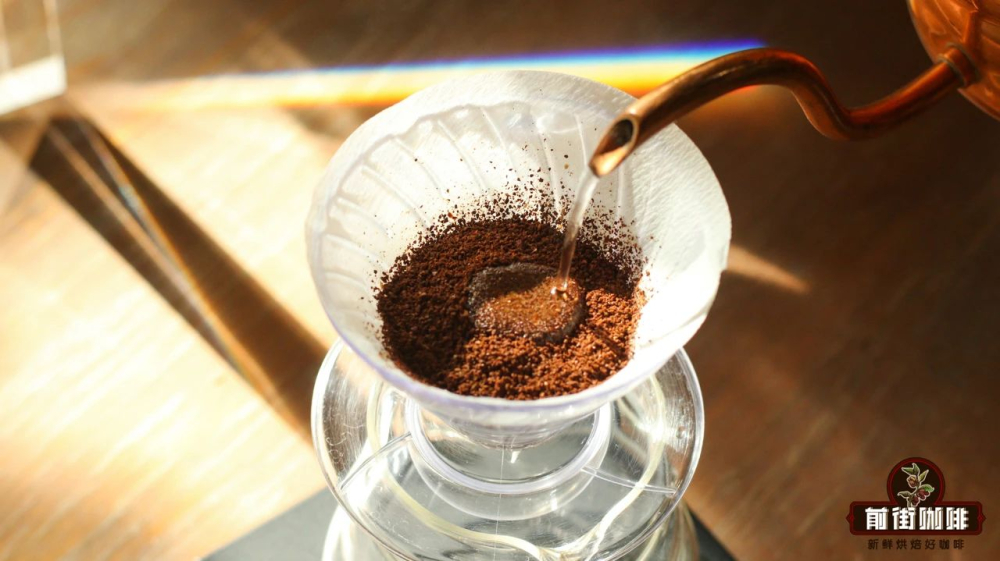
The specific steps are as follows: first pour 30 grams of water for blooming, for about 30 seconds; then pour 95 grams of water (totaling about 125 grams), completed within 1 minute; when the water level drops to about two-thirds of the coffee bed, continue pouring the remaining 100 grams of water (totaling about 225 grams), completed within about 1 minute and 35 seconds. The total dripping time is about 2 minutes and 10 seconds, after which the filter cone is removed to complete the brew.
Such parameter settings fully showcase the flavor characteristics of Yirgacheffe: the cup entry reveals distinct citrus and black tea tones, and as the temperature drops, creamy, caramel, and almond aftertastes gradually emerge. The finish is clean with a clear sweetness, making it a premium pour over coffee perfect for savoring slowly. Through this hands-on guide, even beginners can easily recreate classic, representative regional flavors at home.
The above content is compiled by CoffeeHunters, a coffee news website.


