







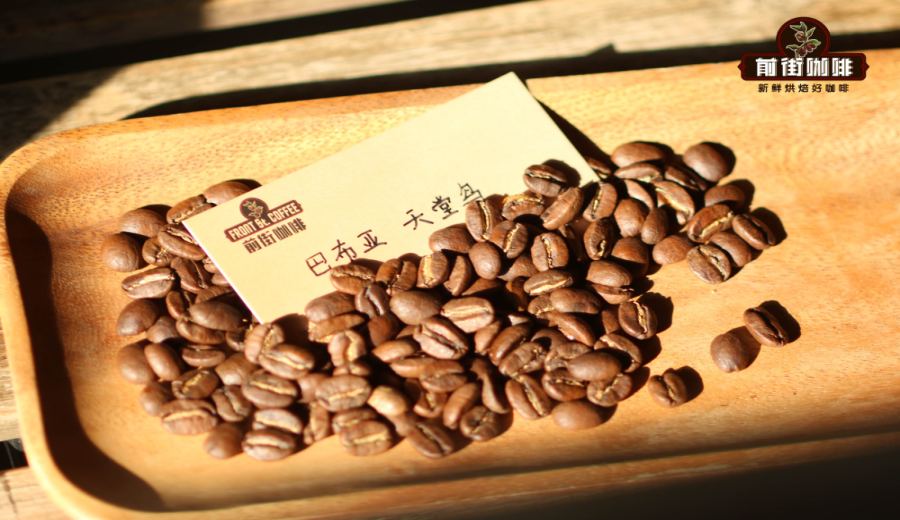
Introduction:Want to dive deeper into Papua New Guinea’s Bird of Paradise coffee, often hailed as the “Little Blue Mountain”? This article takes you through the region’s background, the history of the Sigri Estate, as well as its washed processing and medium roast profile, helping you grasp the flavor characteristics of this special bean and the ideal pour over extraction parameters. We’ve compiled tested mid-level pour over settings for 15 grams of coffee, and break down the pulse pouring technique to help you more easily extract a balanced cup with bright acidity and nutty tones.
In the world of specialty coffee, some regions may not be as famous as Blue Mountain or well-known Central and South American origins, yet they harbor high-quality and distinctive flavor potential — Papua New Guinea (PNG) is one such example. This island nation located on the eastern side of New Guinea Island shares a similar coffee-growing environment to Jamaica’s Blue Mountain and has historically cultivated Typica varieties, leading many coffee enthusiasts to affectionately call it the “Little Blue Mountain.”
The star of this article is the Bird of Paradise coffee beans from the Sigri Estate in Papua New Guinea. Not only does it boast a captivating origin story, but it also delivers a drinking experience that balances fruity aromas with a rich body, thanks to its high-standard washed processing and well-executed medium roast. We’ll explore the charm of this specialty bean step by step — from variety origins, growing environment, processing methods, roast profiles, to practical pour over parameters.
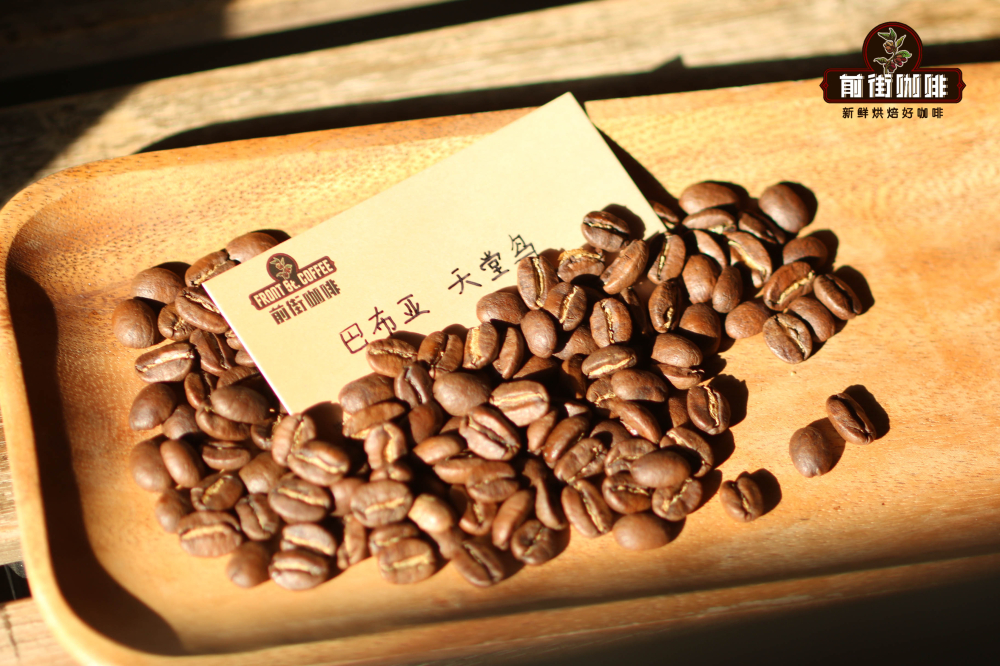
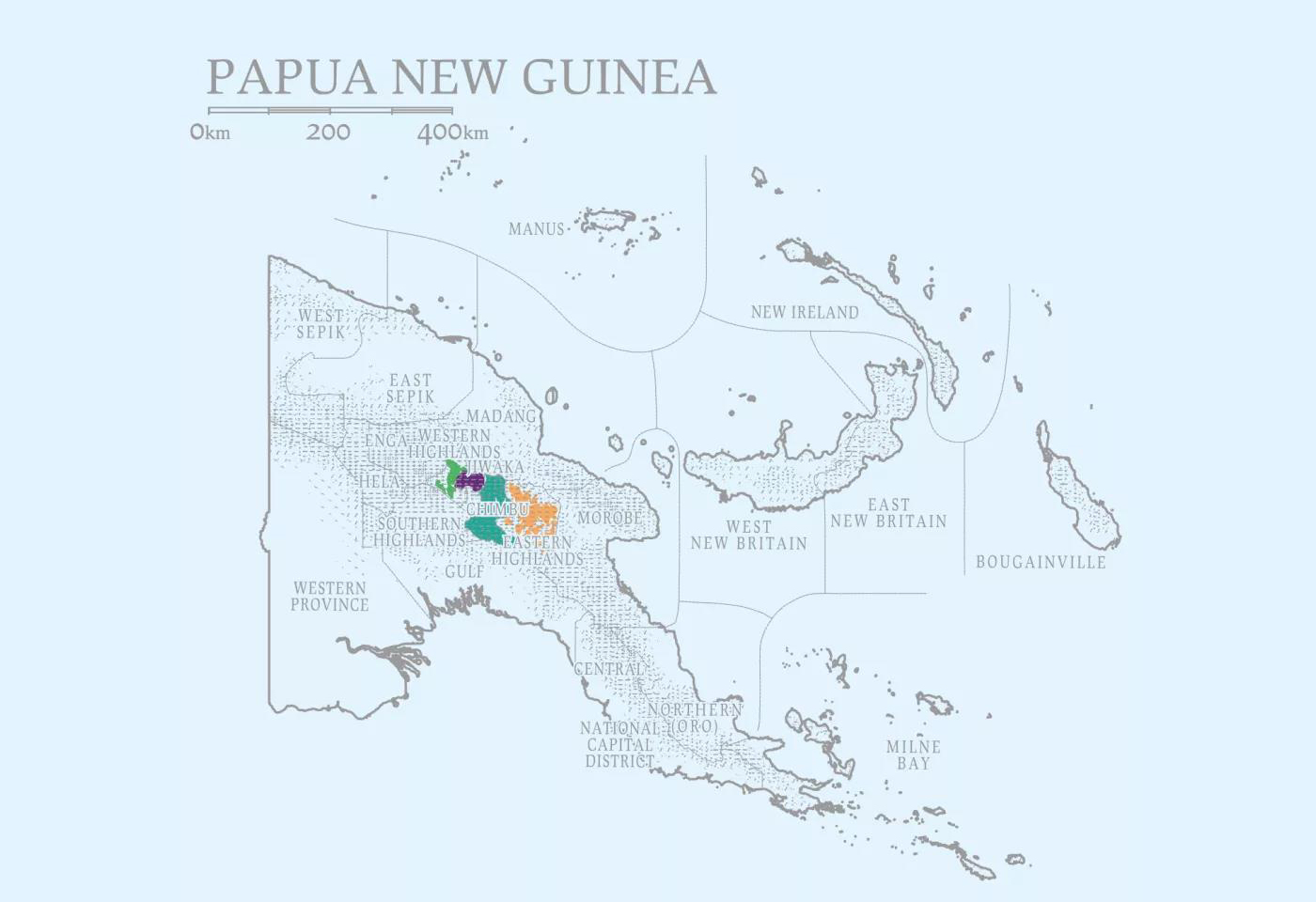
Papua New Guinea comprises the eastern part of New Guinea Island and is politically separate from Indonesia, which occupies the western part. Most of the country’s coffee is grown in mountainous regions at elevations between 1300 and 1800 meters. Due to limited transportation infrastructure, farmers often use traditional cultivation methods with minimal pesticide and fertilizer use, resulting in coffee with a naturally clean flavor profile. Around 75% of the nation’s coffee comes from smallholder family farms, many of which are located within pristine rainforest areas, contributing to a relatively untouched and eco-friendly production environment.
One reason why Papua’s coffee is dubbed the “Little Blue Mountain” is the similarity in altitude and climate conditions, but the key factor lies in its dominant coffee variety — Typica, originally from Jamaica. However, due to its closer proximity to the equator (6 degrees south), its flavor profile showcases a bit more vibrant dark fruit character compared to Blue Mountain, with livelier acidity and greater complexity.
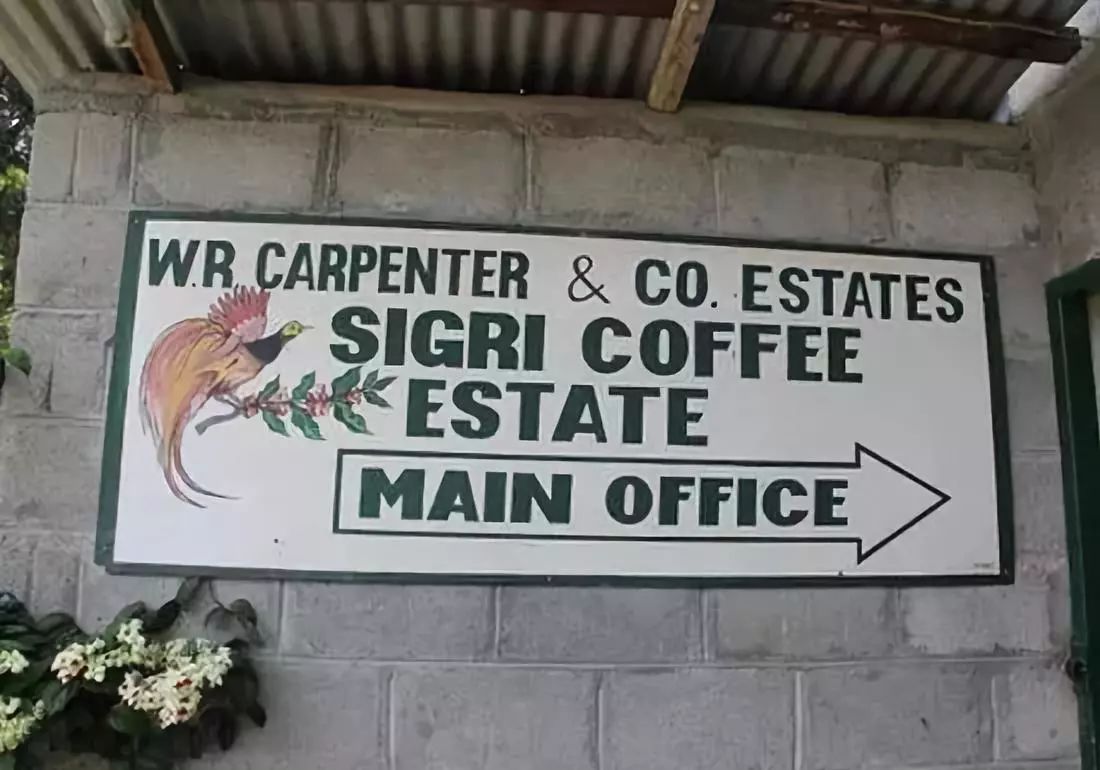
When talking about PNG coffee, one cannot overlook the Bird of Paradise motif commonly printed on sacks — this bird is also the national bird of the country. Many commercially available Papua beans come from the Sigri Estate and the Porgera Estate, both of which use this bird as their brand symbol. The Sigri Estate, which was the first to introduce Papua coffee to the market, has its beans commonly referred to by locals as “Bird of Paradise,” even though beans from the Porgera Estate also feature the same bird design, and are typically distinguished by estate name.
Established in the 1950s, the Sigri Estate is one of the pioneers of Papua New Guinea’s coffee industry. Located in the Waghi Valley of the Western Highlands, at an altitude of around 1500 meters, it benefits from fertile volcanic soil and a cool climate. This growing environment is not only ideal for Typica, but the estate also places strong emphasis on ecological conservation, refraining from pesticide use and striving to preserve the surrounding birdlife and natural ecosystem.
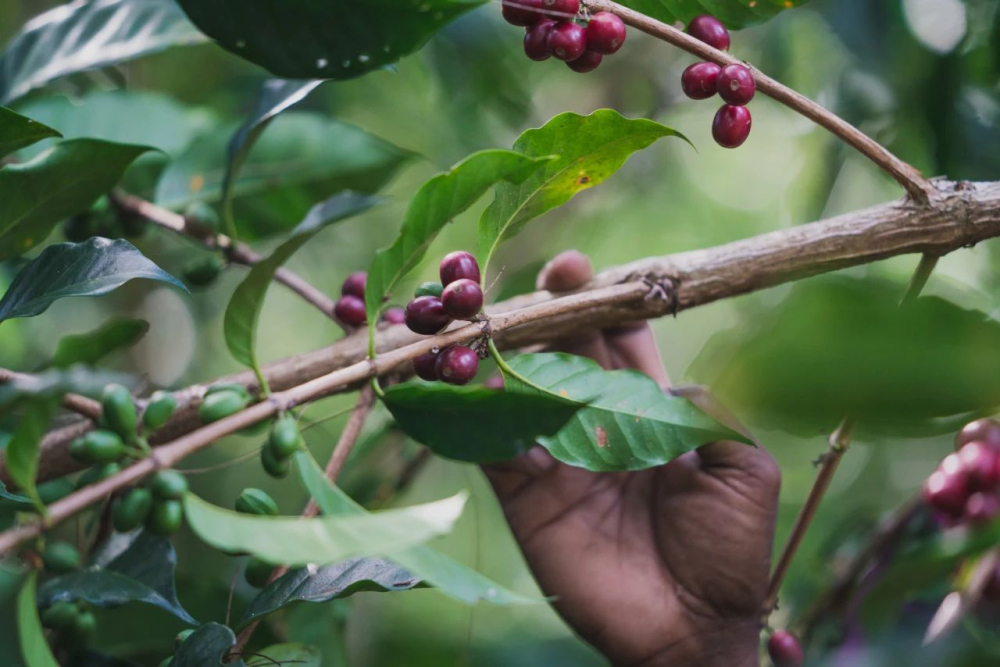
The main harvest season runs from April to September. At the Sigri Estate, only fully red-ripe coffee cherries are handpicked to ensure optimal flavor balance. In addition, the estate enforces a strict cupping protocol, monitoring quality daily to ensure each batch maintains a consistently high standard. This commitment has made the Sigri Estate one of the representatives of PNG specialty coffee.
Coffee processing in Papua New Guinea primarily uses the washed method, which is notably different from the semi-washed or honey processes commonly seen in Indonesia. Washed processing highlights cleaner, brighter acidity and more delicate aromatic layers, making it stylistically closer to processing methods in Central and South America.
Specifically, local estates deliver harvested red cherries to their own washing stations, where they undergo a three-stage fermentation process, each lasting about 24 hours, with fresh water changes to precisely control fermentation flavors. After fermentation, the beans are washed, depulped, and then sorted by size and density into common grades such as AA, AB, and peaberry (PB). This meticulous process helps enhance the purity and complexity of the final cup, resulting in its characteristic bright acidity and lingering sweetness.
This Bird of Paradise coffee adopts a medium roast strategy. Since the Typica variety is naturally lighter in bean density, over-roasting can easily mask its inherent fruit acids and floral-fruity notes. Therefore, roasters pay special attention to controlling the heat after first crack to bring out the best aromatic expression.
According to test roasts, the charge temperature is approximately 170°C, with the initial air vent set to 3 and the heat maintained at 140°C. The turning point occurs at 1 minute and 36 seconds, and when the temperature reaches 140°C, the air vent is adjusted to 4. At around 6 minutes and 25 seconds, the temperature rises to 151°C, the beans turn yellow, and the grassy aroma fades, indicating the end of the drying phase. The temperature is then controlled at 176°C, with the heat gradually reduced. As first crack approaches — around 180°C — the heat is further lowered to 90, and the beans begin to show slight wrinkles and dark spots, marking the start of the development phase. The air vent is fully opened until first crack begins at 10 minutes and 8 seconds. Heat and temperature are precisely managed until the beans are dropped at 198.5°C. The first crack development phase lasts about 3 minutes, preserving maximum acidity, sweetness, and aromatic details.
For brewing, it is recommended to use 15 grams of coffee with 225 grams of water, at a 1:15 brew ratio, using a medium-coarse grind (approximately 65% through a 20-mesh sieve) and water at 88°C. The KONO MEIMON filter cone is suggested to help stabilize flow rate and extraction consistency. This recipe is especially suitable for those looking to highlight the nutty base and subtle berry notes of the Bird of Paradise coffee.
In practice, it is recommended to use a pulse pouring technique: the first pulse involves pouring 30 grams of water for a 30-second bloom, allowing the coffee grounds to fully expand — the coffee bed will puff up like a burger. The second pulse consists of pouring 120 grams of water in a gentle, steady circular motion from the center outward, avoiding excessive agitation. The final pulse adds 75 grams of water, bringing the total to 225 grams, and the entire brew should finish dripping out in around 2 minutes.
In terms of flavor, this Bird of Paradise coffee showcases a prominent nutty and cocoa backbone, accompanied by soft berry sweetness. The acidity is crisp yet smooth, the mouthfeel is full-bodied and layered, and the finish leaves a delicate sweet aftertaste. It is highly suitable for coffee lovers who appreciate balanced flavor profiles and refined tasting notes.
The above content is compiled by CoffeeHunters, a coffee news website.


