







Introduction:The new-style tea brand Nayuki Tea has been fined 5,000 yuan and had its illegal gains confiscated by the Hongkou District Market Supervision Administration due to excessive total bacterial count in freshly made tea beverages at its Shanghai store, once again raising consumer concerns about food safety in tea drinks. This article delves into the ins and outs of the incident, reviews Nayuki’s multiple food safety issues this year, and explores the hidden risks and challenges facing the entire industry.
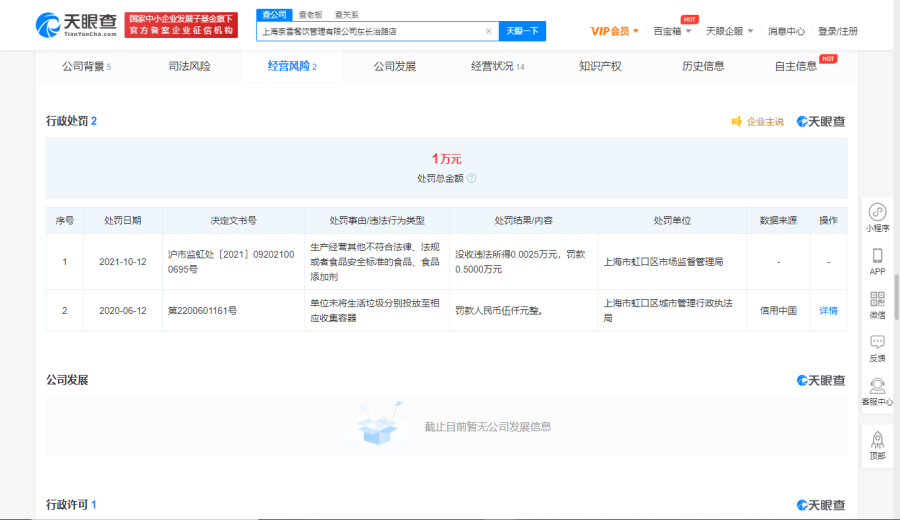
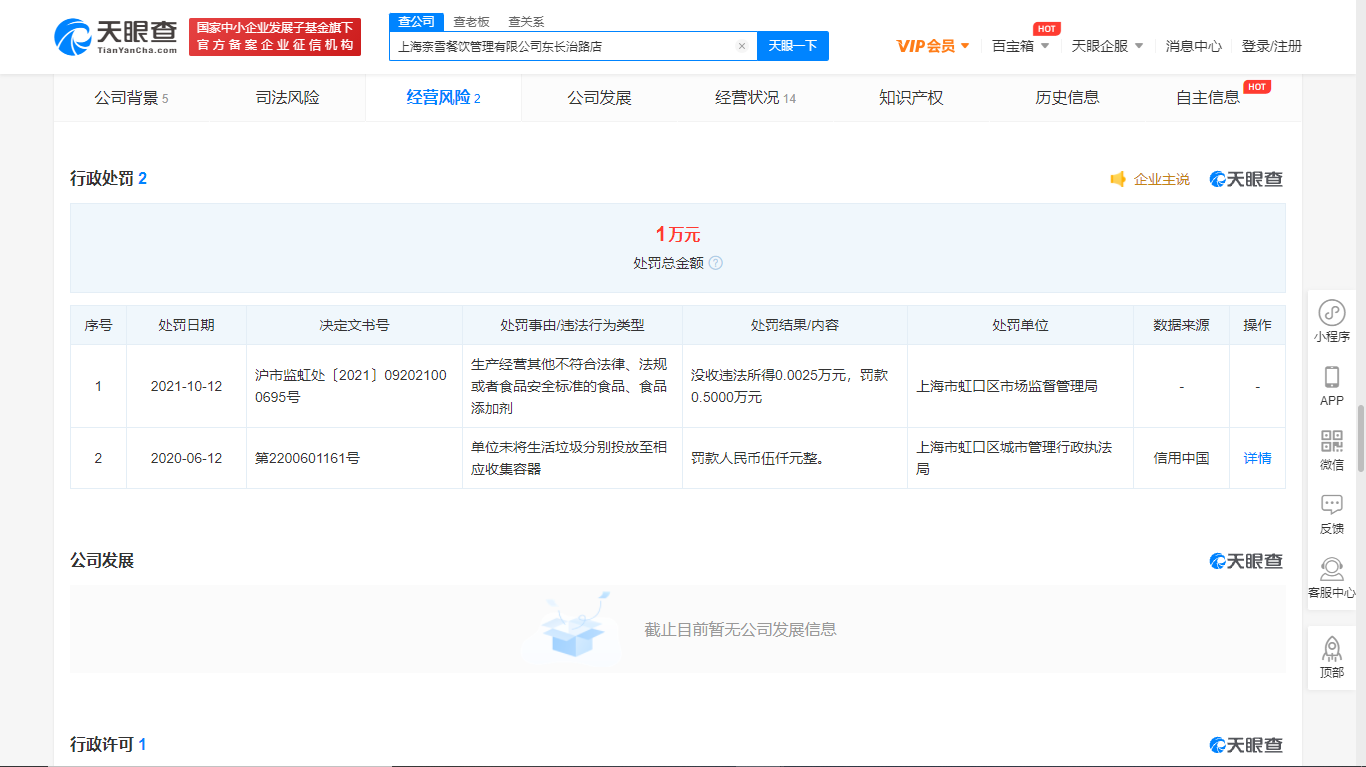
While the new-style tea market is booming, food safety issues continue to emerge. Recently, a Nayuki Tea outlet located on Dongchangzhi Road in Shanghai was found to have exceeded the total bacterial count in its freshly made Golden Mountain Treasure Tea during an official inspection, violating relevant regulations of the Food Safety Law of the People's Republic of China. As a result, the Shanghai Hongkou District Market Supervision Administration imposed a fine of 5,000 yuan and confiscated sales proceeds of 25 yuan from that sale.
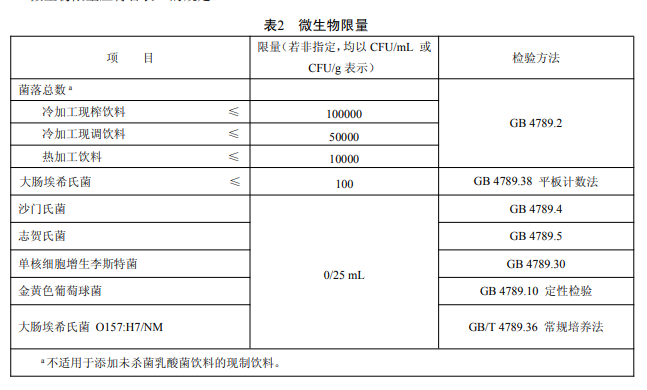
According to official data, the inspection was conducted on July 23, 2021, by the Hongkou District Market Supervision Administration, which commissioned the Shanghai Alcoholic Beverage and Food Quality Inspection Center Co., Ltd. to take a sterile sample of one cup of Golden Mountain Treasure Tea. The purchase price was 25 yuan. The inspection report (No.: 21C071267), published on August 3, showed that the total bacterial count of the sample did not meet the requirements of DB31/2007-2012 “Local Food Safety Standard for Freshly Made Beverages,” and it was ultimately deemed substandard.
Notably, this is not the first time Nayuki Tea has been exposed for food safety issues. As early as August this year, Xinhua News Agency reported that some Nayuki outlets had problems such as cockroach infestations, spoiled fruits, improperly cleaned cleaning tools, and inaccurate product label information. In response to these issues, the stores mostly chose to handle them privately without making public statements or offering compensation to consumers, sparking strong public dissatisfaction.
Although the involved stores were ordered to suspend operations for rectification after media exposure, such incidents have already damaged the brand image and even caused significant fluctuations in Nayuki Tea’s stock price, briefly trending on Weibo. However, this was just one of many food safety issues the brand faced this year.
In fact, since late August, Nayuki Tea has also been publicly criticized and penalized by the State Administration for Market Regulation, highlighting systemic flaws in its food safety management. Moreover, the entire new-style tea industry has frequently made headlines in recent months, including incidents such as cockroaches found at Liuzhou Yihetang milk tea stores, spiders discovered in Cha Bai Dao drinks, the so-called "stomach-washing milk tea" controversy involving HEYTEA, and complaints that HeyTea (also known as Yi Dian Dian) used expired milk foam—all occurring between August and October.
In response to each food safety incident, brands often adopt similar strategies: apologize, compensate, and rectify. However, these measures are mostly emergency responses and rarely address the root of the problem. Even more concerning is that old issues have not been thoroughly resolved before new scandals emerge, creating a vicious cycle.
Although Nayuki Tea has published what it calls a “Food Safety Self-Inspection Report” via its official account, emphasizing daily scheduled and unscheduled spot checks, strict weekly self-inspections, and surveillance store visits, with the slogan “Let everyone drink tea and eat buns with peace of mind,” the latest available self-inspection report found online was only updated to July, with no public content for August or September, raising doubts about whether its self-supervision mechanism is functioning continuously.
For consumers, paying higher prices for new-style tea drinks often comes with the expectation of better flavor and more reliable food safety. However, when these expectations are repeatedly disappointed, a mere brand apology or minor fine is not enough to rebuild consumer trust. Some observers have also pointed out that the current cost of violating food safety laws in the tea industry remains low, leading some stores to simply “apologize and move on” after problems arise, lacking motivation for fundamental improvement.
If new-style tea brands truly want to earn long-term trust from the market and consumers, they must establish stricter and more transparent food safety management systems, addressing every aspect from supply chain management, standardized production processes, employee training, to follow-up audits. Otherwise, no matter how eye-catching the marketing or innovative the products, they cannot cover up fundamental quality risks.
The above content is compiled by CoffeeHunters, a coffee news website.


