







Introduction:As one of the world’s three most fragrant black teas, Qimen Black Tea’s premium representatives — Qimen Mao Ya A and B — often leave tea enthusiasts wondering which to choose. This article delves into the dry leaf appearance, aroma profile, liquor color, and flavor characteristics of both teas, helping you understand their unique flavor differences. It also introduces the varietal traits of the Qimen Zhu Ye Zhong cultivar and the ecological environment of Bai Ta Tea Garden, enabling you to select and appreciate this classic Chinese black tea with greater precision.
Qimen Black Tea has long been honored as one of the “world’s three most fragrant black teas,” and among them, Qimen Mao Ya is a symbol of high-quality black tea. Qimen Mao Ya is divided into two grades, A and B. Although both come from the premium Qimen Zhu Ye Zhong tea plant, they each offer distinctive flavor profiles. This article will provide a detailed comparison of the dry leaf appearance, aroma, liquor color, and flavor layers of Qimen Mao Ya A and B, helping tea lovers gain a deeper understanding of the unique charm of these two black teas.
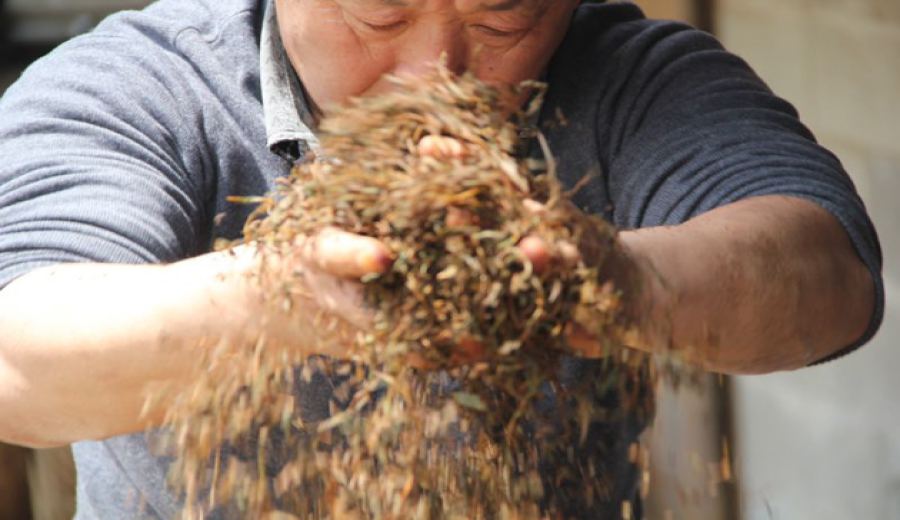
The dry leaves of Qimen Mao Ya typically appear deep black with a glossy sheen, and golden tips can be seen at the top of the buds, giving them a vibrant and lively appearance. This not only makes them visually appealing but also reflects the tenderness of the leaves and the finesse of the production process. When you take a careful sniff, you can detect a gentle floral and chocolatey aroma — soft and mellow at first, with layers gradually unfolding upon further nosing.
After brewing, the liquor of Qimen Mao Ya displays a bright, vivid orange-red color, radiating vitality — a hallmark of high-quality black tea. In terms of flavor, both grades of Mao Ya exhibit a smooth fruitiness, with a distinct aftertaste of sweetness lingering in the throat. The mouthfeel is rounded and the finish is long-lasting, all thanks to the unique varietal aroma of the Qimen Zhu Ye Zhong. This fruity-floral note is often referred to by tea connoisseurs as the “Qimen aroma,” one of the most representative flavor characteristics of Qimen Black Tea.
Qimen Zhu Ye Zhong is a high-quality tea cultivar officially recognized by the Chinese government. Its chemical composition is well-balanced: it contains 31.11% polyphenols, 14.66% catechins, 5.42% amino acids, and a water extract content of 44.72%. This biochemical makeup makes it highly suitable for black tea production while also capable of showcasing the freshness of green tea. When used to produce Gongfu black tea, the leaves are tightly rolled, dark in color, with a long-lasting sweet aftertaste and a unique fruity-floral aroma — the origin of the famed “Qimen aroma.”
Bai Ta Tea Garden, as one of the core production areas of Qimen Black Tea, is located in Qimen County, Huangshan City, Anhui Province. It boasts over 9,225 acres of eco-grade tea gardens, nearly 3,000 of which have obtained organic certification. Such an environment provides ideal growing conditions for tea plants, especially in high-altitude valleys where forest coverage is high, diurnal temperature variation is significant, and frequent cloud cover with limited sunlight fosters the unique flavor foundation of Qimen Black Tea.
It’s worth mentioning that Qimen Mao Ya is usually meticulously handcrafted by local tea farmers, a traditional technique that preserves the most original flavors and nuances of the tea leaves. Mr. Wang, the fifth-generation inheritor of the national intangible cultural heritage of Qimen Black Tea, has accumulated over 30 years of tea-making experience. He remains dedicated to improving tea quality and conducting research, striving to provide safer and healthier tea products to tea enthusiasts around the world.
Qimen County is located in southern Anhui Province, west of Huangshan Mountain. Ninety percent of the county is mountainous, with an average elevation of about 600 meters. Tea gardens are mostly distributed in valleys at elevations between 100 and 350 meters. These areas feature a cool and moist climate with noticeable diurnal temperature variations, which are highly conducive to the accumulation of aromatic compounds and flavor substances in the tea leaves. This natural environment forms the very foundation of the unique flavor profile of Qimen Black Tea.
Whether you’re new to Qimen Black Tea or already have some tasting experience, understanding the flavor differences between Qimen Mao Ya A and B can help you choose the black tea that best suits your palate. And gaining deeper insight into the characteristics of the Qimen Zhu Ye Zhong cultivar and the ecological background of Bai Ta Tea Garden will allow you to appreciate the natural and human stories behind every sip of tea.
The above content is compiled by CoffeeHunters, a coffee news website.


