







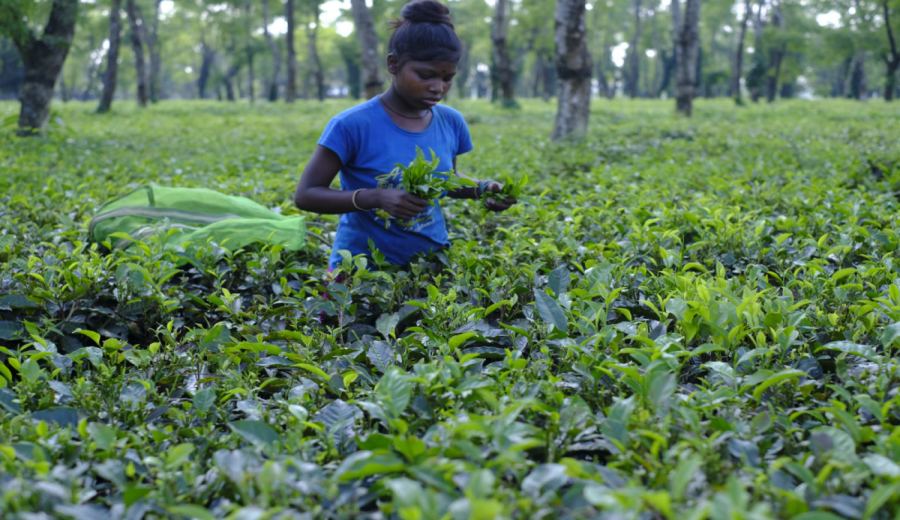
Introduction:Want to truly understand the correct way to enjoy Assam black tea? This article delves into the best brewing techniques for this world-renowned black tea, from traditional ceramic utensils to modern brewing methods, guiding you to master the secrets of maximizing its flavor. It also explores the unique local tea culture customs of Assam, answers common questions such as “Can it be consumed directly?”, and shares practical brewing suggestions to elevate your experience from a simple beverage to that of a true tea connoisseur.
As a globally recognized representative of strong black tea, Assam black tea has a unique way of enjoyment closely related to the appropriate brewing utensils. This tea originating from Assam in India not only requires mastering the correct brewing techniques but choosing the right teaware can further highlight its rich and mellow flavor.
In Assam, tea culture and ceramic craftsmanship are undergoing an interesting fusion. Traditionally, metal utensils were used for drinking tea here, rather than ceramics. In recent years, small pottery workshops have been established locally to promote the use of unglazed clay pots for storing and brewing tea. This shift not only preserves tradition but also creates additional income for tea farming families.
As for whether Assam black tea can be consumed directly, the answer is yes. This tea has a strong character, and drinking it on its own allows you to fully experience its rich malt aroma and bold taste. Many tea enthusiasts enjoy brewing it with hot water and sipping it directly to appreciate its complex layers and lingering sweetness.
When selecting a brewing vessel, ceramic or purple clay teaware is the top choice. These materials provide moderate heat retention while not overly affecting the original flavor of the tea liquor.It is recommended to use medium-strength brewing parameters: water temperature around 90–95°C, a tea-to-water ratio of approximately 1:50, and a brewing time of 3–5 minutes.This helps balance the distinctive richness and slight bitterness of Assam black tea.
In the local tea culture, although the tea ceremony is not as formal as those in China or Japan, it still has its own uniqueness. Before and after prayers, the way tea leaves are arranged, the use of banana leaves, and more all carry cultural significance. This community-gathering-like tea culture reflects the deep emotional connection the Assamese people have with tea.
For tea enthusiasts looking to explore more deeply, it is recommended to try how different utensils affect the flavor of the tea liquor. Ceramic teaware can bring out the rich base of Assam black tea, while glass teaware makes it easy to observe the changing colors of the tea liquor. No matter which method you choose, the right brewing technique is the key to revealing the true essence of Assam black tea.
The above content is compiled by CoffeeHunters, a coffee news website.


