







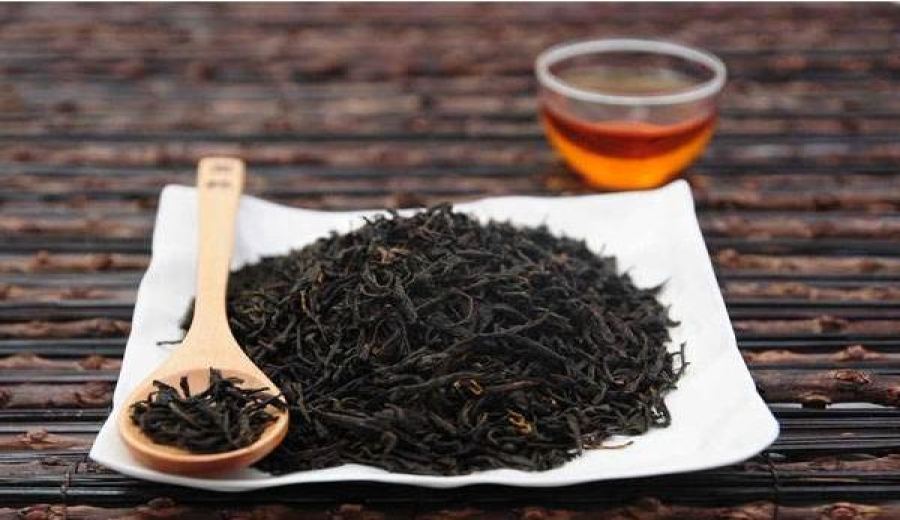
Introduction:The essence of gongfu tea lies not only in the tea leaves themselves but also in the precise control of water temperature, tea quantity, and steeping time. This article delves into the golden ratios for different types of tea, from white tea to black tea, guiding you step-by-step to master brewing techniques and enhance the complexity of the tea liquor. Whether you’re a beginner or an experienced tea enthusiast, you’ll gain practical operational guidance to brew more robust and aromatic tea.
Brewing a memorable pot of gongfu tea requires more than just high-quality tea leaves. Mastering water temperature, controlling the amount of tea used, and timing the pouring are all critical factors that influence the flavor of the tea liquor. This article starts from the core philosophy of gongfu tea, helping you systematically understand the optimal conditions for various types of tea and thereby elevate your overall brewing skills.
Gongfu tea is about a delicate craft and also an artistic expression in the tea tasting process. Using a carefully selected purple clay teapot and small porcelain cups not only softens the water quality but also helps to bring out the subtle aroma and mellow taste of the tea leaves. From the amount of tea used, water temperature control, to the steeping time of the leaves, every step must be finely adjusted to present a cup of tea liquor that is close to perfection.
Regarding tea leaf placement, it’s recommended to use just enough to cover the bottom of the teapot while still allowing the bottom to be faintly visible—generally around 3 to 5 grams. If the tea itself has a more bitter or astringent taste, you can appropriately reduce the amount of tea used, lower the water temperature, or shorten the steeping time for each infusion. It’s worth noting that as long as the tea can still release a good aroma and flavor, even multiple infusions are fine—some teas can even be brewed continuously for over a day. Choosing teaware made of fine-textured pottery helps to better showcase the layers of the tea liquor and has advantages over metal filters.
Setting the steeping time is also key to the performance of the tea liquor. Generally, the first few infusions are recommended to be within 3 to 6 seconds, then extended gradually based on the tea’s response. Teas with higher activity can usually withstand more infusions, and since each type of tea has unique characteristics, it’s advised to observe the changes in the tea liquor carefully during brewing to find the most suitable rhythm for that particular tea.
As for water temperature control, different types of tea have their own optimal ranges: for white tea and premium green tea, it’s recommended to use water at about 155 to 175 degrees Fahrenheit (approximately 68 to 80 degrees Celsius), when tiny bubbles resembling shrimp eyes appear on the water surface; for regular green tea, 175 to 180 degrees Fahrenheit (about 80 to 82 degrees Celsius) is suitable, indicated by the rise of vertical steam columns—if the tea liquor turns overly bitter, it’s advisable to lower the water temperature. Oolong tea requires slightly higher temperatures, around 180 to 190 degrees Fahrenheit (approximately 82 to 88 degrees Celsius), when larger bubbles and thick, columnar steam rise from the water.
For highly fermented tea types such as black tea, Pu-erh tea, and black tea, it’s recommended to use water at 195 to 205 degrees Fahrenheit (approximately 90 to 96 degrees Celsius), when pearl-sized bubbles steadily emerge on the water surface along with small bubbles moving horizontally—that’s the optimal moment. For extremely strong black teas, water at full boil, 212 degrees Fahrenheit (approximately 100 degrees Celsius), can even be used to fully extract the rich and intense flavors of the tea liquor.
Finally, the impact of water quality on the tea liquor must not be overlooked. Fresh mountain spring water is considered the most ideal choice, but care should be taken that its mineral content isn’t too high, so as not to affect the smoothness and overall texture of the tea liquor. If there are concerns about the local water source, further understanding of its characteristics is advised to ensure the tea liquor performs at its best.
The above content is compiled by CoffeeHunters, a coffee news website.


