







Introduction:Huakui and Geisha are two specialty coffee beans frequently heard of and often confused by many coffee enthusiasts. Are they the same variety or different? Which one has more distinctive characteristics? From origin, variety background, naming origins, to unique flavor profiles and pour-over parameters, this article will explain it all in one go, helping you find your preferred choice based on personal taste and master the correct brewing methods.
In the world of specialty coffee, the names Huakui and Geisha are often mentioned together, and sometimes even mistaken for the same bean. However, these are actually two distinctly different coffees, with significant differences in variety, naming origin, origin region, and flavor expression. Understanding their distinctions not only enhances your coffee tasting ability but also helps you make more suitable choices when purchasing and brewing.
Huakui coffee beans actually come from the Buku Abel processing station in the Hambela zone of Ethiopia's Sidama region, and are naturally processed heirloom variety beans.. As for Geisha (Geisha), it is an independent coffee variety originating in Ethiopia and later shining brightly in Panama. These two are completely different in genetic variety, and were only once misunderstood to be of the same type due to similar name pronunciations and certain cultural associations.
Regarding the origin of the name “Huakui,” there is an interesting history behind it. In Japanese culture, “Huakui” refers to the top-tier figures among geisha, symbolizing the queen of flowers. The pronunciation of this term is similar to that of Geisha (Geisha), which led some to mistakenly think Huakui was Geisha. In fact, the name Huakui originated from the 2017 TOH (Ethiopia Taste of Harvest) green coffee competition, where sun-dried coffee beans from the Buku Abel processing station in Hambela, submitted by the Ethiopian green coffee company DW, won the sun-dried category championship with their rich berry and creamy flavors. Subsequently, these beans were introduced to the Chinese market and, due to their outstanding performance, were given the name “Huakui,” implying they are the “queen of flowers” among coffees—that is, the top-grade product.
As for Geisha, its history can be traced back to the 1930s. It was discovered in the Gesha forest of Ethiopia, then taken to the coffee research institute in Kenya, and subsequently introduced to Uganda, Tanzania, Costa Rica, and finally found its spotlight in the 1960s at Panama’s Hacienda La Esmeralda. Especially during the 2004 Best of Panama (BOP) competition, Geisha gained fame overnight with its unique citrus, floral, and honeyed sweetness, becoming a leader in the global specialty coffee scene.
Many consumers, when purchasing coffee beans, often see labels on the packaging such as “Huakui,” “Huakui 5.0,” “Small Grain Huakui,” etc. Here, it is important to clarify that,the variety labeled on Huakui coffee packaging is “local heirloom variety”. This is because Ethiopia has an extremely rich coffee gene pool, but most varieties have not yet been scientifically classified or named in detail, and are thus collectively referred to as local heirloom varieties. This does not mean the quality is poor—in fact, they often harbor astonishing flavor potential.
In contrast, Geisha is a clearly defined coffee variety, originally from Ethiopia’s Gesha forest. After being introduced to multiple countries, it exhibited exceptional flavor expressiveness under the specific microclimates and high altitudes of Panama, particularly those planted by the Hacienda La Esmeralda (such as Red Label and Green Label), which have become industry benchmarks.
So why is this Ethiopian sun-dried heirloom variety called “Huakui”?In 2017, these sun-dried beans stood out in the TOH competition, arousing great interest among Chinese buyers. At the time, Beijing’s Hongshun Trading imported these champion beans to China and, aligning with market expectations, gave them the name “Huakui,” hoping they would become the foremost like the traditional meaning of Huakui. In fact, these beans did indeed help a contestant, Li Jianfei, win second place in a subsequent Chinese coffee brewing competition using the same 2017 TOH batch, breaking the then Geisha-dominated scene.
In addition, the commonly seen “Huakui” and “Huakui 5.0” on some brand shelves are actually products from different years.Starting from 2018, Huakui 2.0, 3.0, 4.0, and 5.0 were launched in sequence each year, with Huakui 6.0 released in 2022. There is also a product called “Small Grain Huakui,” which refers to the smaller-sized beans in the batch. These small beans exhibit more prominent aromatic characteristics in cupping and have become the hidden champions in the eyes of some consumers.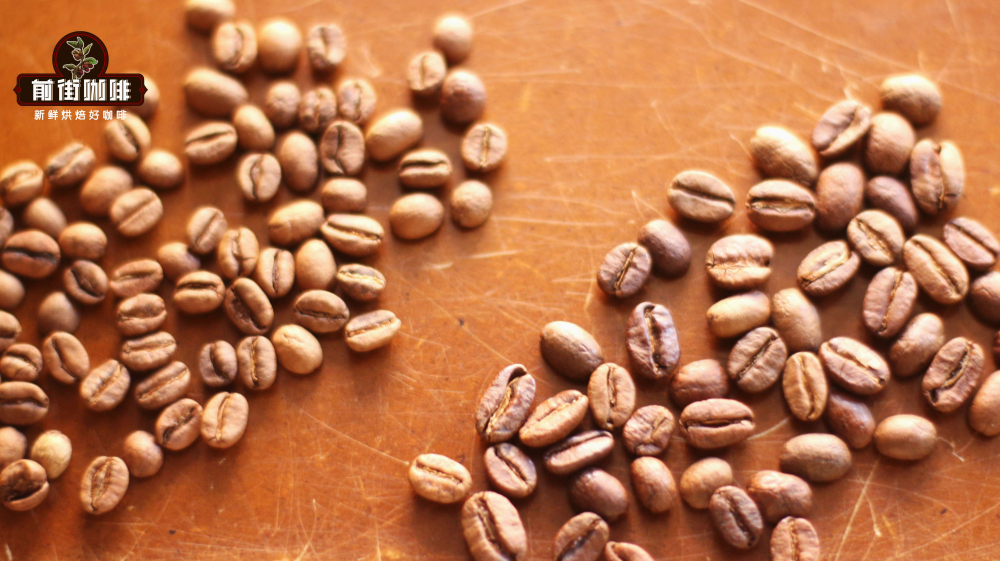
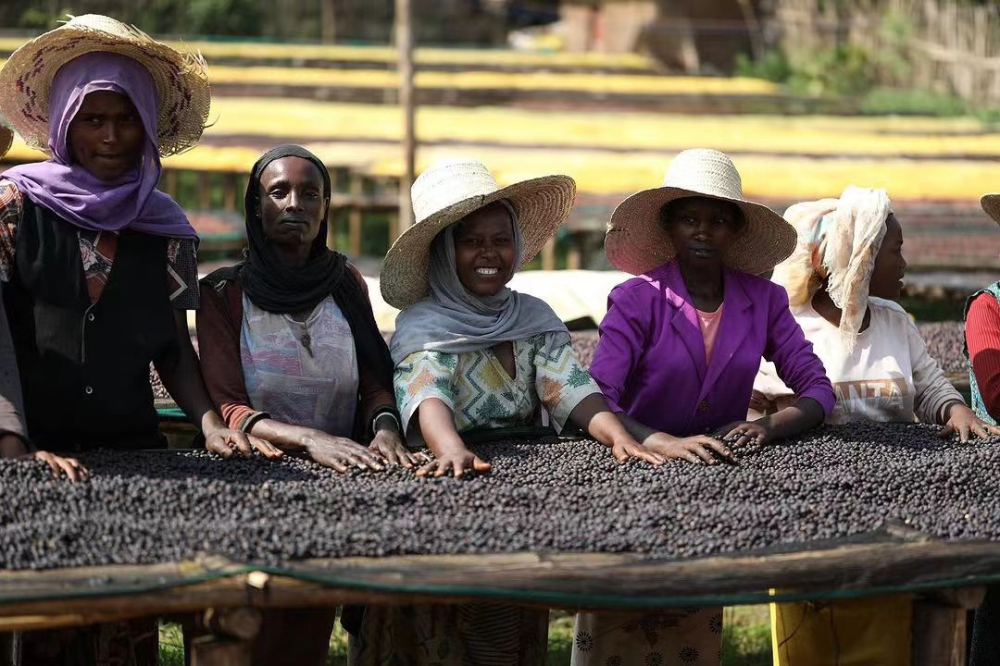
When it comes to flavor, Huakui coffee is known for its rich berry and creamy tones, which are inseparable from its growing environment. Grown in the Hambela region of Sidama, at high altitude, surrounded by sugarcane and banana plantations, and processed via the sun-dried method, the coffee offers bold fruit acidity and fermented wine-like aromas, with a smooth mouthfeel and layered complexity. It should be noted that,the flavor of Huakui may vary slightly each year due to factors such as climate and rainfall, so different harvest seasons may show varying performances. Generally speaking, Small Grain Huakui is closer to the strawberry-cream flavor of the 2017 champion beans, while Huakui 5.0 showcases more berry, floral, and tea-like notes.
Geisha’s flavor is known for its citrusy profile, jasmine floral notes, and honeyed sweetness. This bright acidity and complex aromatic combination make it a popular entry choice for many beginners to specialty coffee. Panama’s Hacienda La Esmeralda is especially renowned for its Red Label Geisha, grown in high-altitude micro-regions with limited production, delivering exceptional flavor performance. The Green Label is relatively more accessible but still retains the unique personality of the Geisha variety.
In terms of brewing recommendations, since both of these coffees focus on bright acidity and rich aromatics,it is recommended to use a medium-light roastto preserve more of the original flavors. For pour over, you can use a Hario V60 dripper, with water temperature controlled around 91°C, a coffee-to-water ratio suggested at 1:15, and grind size roughly equivalent to 80% passing through a Chinese standard No. 20 sieve—i.e., fine grind. Specifically, start with pouring 30 grams of hot water for a 30-second bloom, then continue pouring with a thin stream in circular motions from the center outward, performing the first pour at 125 grams. When the water level is about to drop below the coffee bed, continue pouring to 225 grams, with a total extraction time of about 2 minutes.
It is important to note that if the coffee grounds do not visibly expand during the bloom phase, it may be due to a darker roast or the beans having already released most of their CO₂—but you should still complete the bloom step to stabilize subsequent extraction. Additionally,it is recommended to purchase whole bean coffee rather than pre-ground powder, as ground coffee has a larger surface area exposed to air, causing flavor compounds to volatilize more quickly and significantly shortening the optimal flavor window. If you don’t have a grinder at home, consider getting an entry-level hand grinder to ensure optimal extraction flavor.
The above content is compiled by CoffeeHunters, a coffee news website.


