







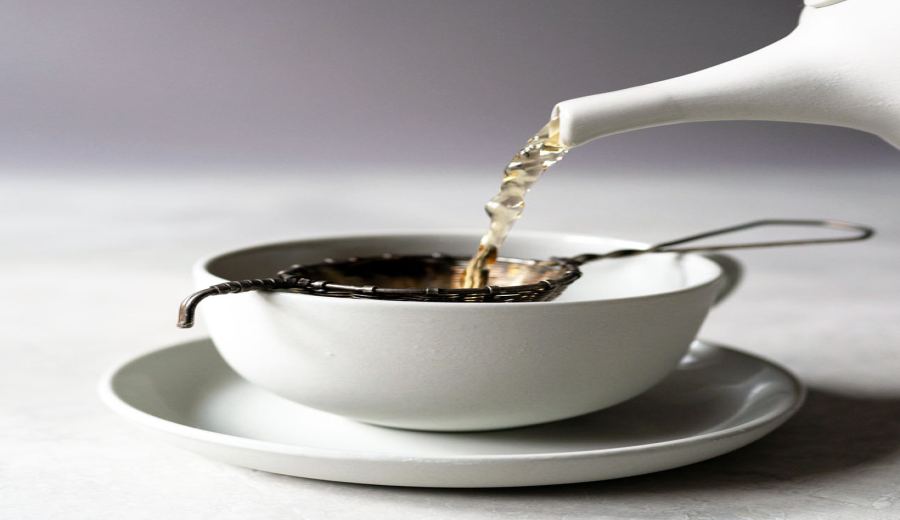
Introduction:While tea drinking can soothe the body and mind, for individuals with acid reflux, the pH level of tea may directly impact discomfort symptoms. This article delves into the pH differences among various types of tea, the key factors influencing acidity, and offers tea-drinking advice for those with gastroesophageal reflux. It also recommends several red teas with moderate acidity and outstanding flavors, allowing you to enjoy the aroma of tea while also taking care of your gastrointestinal health.
For those who frequently suffer from heartburn or acid reflux, the pH level of tea is a critical factor that should not be overlooked. Different types of tea leaves exhibit significant variations in pH value—for example, black tea is generally more acidic, whereas green tea may have a pH close to neutral or even slightly alkaline in some cases. However, the factors that ultimately influence the acidity of the brewed tea are not limited to the type of tea leaves but also include details such as the amount of tea used, water temperature, steeping time, and even whether tea bags are used.
Among these, caffeine contained in tea leaves is a noteworthy component, as it may cause relaxation of the lower esophageal sphincter (LES), increasing the risk of gastric acid reflux and thereby exacerbating heartburn. If you often experience tooth sensitivity after drinking tea, it may also be related to the acidity of the tea. It is recommended to rinse your mouth with water or drink warm water as a simple test—if hot water does not trigger discomfort, then acidity may be the main issue, and you might consider adjusting your choice of tea.
The acidity or alkalinity of tea is generally measured by pH value. Typically, the acidity of tea is lower than that of coffee, but it still varies depending on the type of tea. For instance, a cup of black tea usually has a pH ranging from 3.1 to 6, considered moderately acidic; green tea may have a pH between 6.9 and 9.7, and in some cases may even be slightly alkaline; oolong tea, white tea, and yellow tea fall within a range of 5.9 to 8.2, showing quite a broad variation.
However, these values are only for reference—the actual acidity or alkalinity of tea can be influenced by multiple combined factors. Variables such as tea variety, processing method, use of tea bags, the amount of tea used each time, water temperature, and steeping duration can all significantly affect the final acidity. Therefore, even the same type of tea may yield different pH levels depending on brewing methods.
Among the variables that directly affect the acidity of tea, the amount of tea used is one of the most fundamental factors. If the tea itself is on the more acidic side, using more leaves will result in a stronger overall acidity in the brewed tea. Conversely, reducing the amount of tea can help lower its acidity, making it a simple yet effective adjustment for those with more sensitive stomachs.
Additionally, whether tea bags or loose tea leaves are used can also significantly impact acidity levels. Tea leaves in bags are often cut or ground, causing the internal compounds to be released more quickly and potentially releasing more acids in a shorter period. As a result, tea brewed from tea bags often tastes more acidic than loose tea under the same conditions. On the other hand, loose tea consists of whole leaves, which release flavor and acids at a slower pace—making it more suitable for those looking to control acidity.
Water temperature and steeping time also play crucial roles. Using higher water temperatures or steeping for too long—especially when the tea is already on the acidic side—can further intensify the tea’s sour taste. Therefore, it is recommended to adjust brewing parameters appropriately based on the type of tea and individual tolerance. For example, choosing a slightly lower water temperature or shortening the steeping time can help achieve a more balanced taste and pH level.
Heartburn is actually one of the common symptoms of gastroesophageal reflux disease (GERD), which may include discomfort such as chest burning, coughing, or even chest pain. Occasional heartburn can often be alleviated through adjustments in lifestyle and diet, but if symptoms are frequent or persistent, further medical evaluation and treatment may be needed. In such cases, choosing teas with lower acidity and controlling caffeine intake can help reduce stimulation to the lower esophageal sphincter, thereby lowering the likelihood of acid reflux.
Speaking of caffeine, it is another component in tea that may worsen stomach discomfort. Caffeine can cause the lower esophageal sphincter to relax, making it easier for stomach acid to flow back into the esophagus. Therefore, it is recommended that individuals with acid reflux consider teas with low or no caffeine. If you prefer traditional tea leaves, you might discard the first brew, as most caffeine is typically released in the first infusion—this helps reduce intake while preserving the tea’s aroma and some of its flavors.
Additionally, if you experience tooth pain after drinking tea, aside from checking for sensitivity to hot beverages, you might also suspect it is caused by the tea’s acidity. You can try rinsing your mouth with room temperature or slightly warm water—if the pain does not recur, then acidic substances in the tea may be the irritant. Those experiencing this symptom are advised to consult dental professionals to check for potential tooth sensitivity or cavities, and adjust their tea-drinking habits accordingly.
For tea enthusiasts who enjoy the tartness of black tea, there are still plenty of options available that offer distinct acidity balanced with a pleasant taste. For example, certain region-specific black teas exhibit clear citrus and berry notes, with lively acidity that is not overly sharp, making them suitable for everyday drinking. For those with more sensitive stomachs, it is recommended to prioritize black teas labeled as having low acidity or those reviewed as having a mild flavor profile. You can also further reduce the overall acidity of the tea by decreasing the amount of tea used or shortening the steeping time—allowing you to enjoy the tea’s aroma while also meeting your health needs.
The above content is compiled by CoffeeHunters, a coffee news website.


