








Introduction:Espresso is the soul foundation of many classic coffee beverages. Behind its seemingly simple extraction lies precise control over factors such as coffee dose, yield, time, and grind size. This article will delve into the extraction principles of Espresso, helping you understand how high pressure brings out the essence of coffee. It also provides a detailed practical workflow, including actionable references for dose, extraction ratio, and time window, while exploring the advantages and flavor characteristics of blends—equipping you with the key details to master a well-made shot.
Espresso is the core of many classic coffee drinks, whether it’s a latte, cappuccino, or Americano, none can do without this rich coffee base. However, extracting an Espresso that is both balanced in flavor and smooth in texture is not simply about pushing hot water through coffee grounds under pressure. It requires precise control over a range of variables, including dose, yield, time, and grind size.
In practice, the subtle balance between these parameters directly affects the final flavor profile. Under-extraction may result in a weak and dull cup, while over-extraction often leads to burnt bitterness and unpleasant off-flavors. Mastering these fundamental principles and practical techniques is the first step for any coffee enthusiast on the path to professionalism.

The uniqueness of Espresso lies in its high-pressure extraction process. Compared to pour-over methods like drip brewing, Espresso uses high-pressure water to quickly pass through a tightly packed puck of finely ground coffee. This allows the water, under pressure, to penetrate deep into the coffee cell walls, releasing a wealth of aromatic compounds and oils. This high pressure is typically around 9 bar—the standard pressure value commonly found in home espresso machines.
As early as the early 19th century, Italian baristas, aiming to extract a strong coffee in a short amount of time, pioneered an extraction method using steam pressure. After continuous refinement, this eventually evolved into today’s semi-automatic and fully automatic espresso machines. This high-pressure extraction not only improves extraction efficiency but also shapes the distinctive bold flavor and crema layer of Espresso.
Extracting Espresso is essentially dissolving the soluble flavor compounds in coffee into water. About 30% of a coffee bean’s composition is water-soluble, but only approximately 20% of that consists of aromatic small molecules that contribute desirable flavors—such as acidity, sweetness, and caramel notes. The remaining portion may include undesirable woody or bitter impurities. Ideal extraction is achieved by fully releasing these positive compounds while keeping negative flavors within acceptable limits.

To successfully extract a high-quality Espresso, you need to adjust the following key variables comprehensively:Dose,Extraction Time,Yield (liquid weight), andGrind Size. In addition, although boiler pressure and water temperature are usually pre-calibrated in the machine, the evenness of coffee distribution and the stability of tamp pressure can also significantly affect the extraction outcome.
For a standard double shot basket, it is recommended to use 18 to 20 grams of coffee, with an extraction ratio typically set at 1:2—that is, 20 grams of coffee yielding about 40 grams of liquid. The extraction time is advised to be controlled between 20 to 35 seconds, with the optimal flavor window generally falling between 28 to 30 seconds. This time frame allows for sufficient release of aroma and sweetness while avoiding the negative flavors associated with over-extraction.
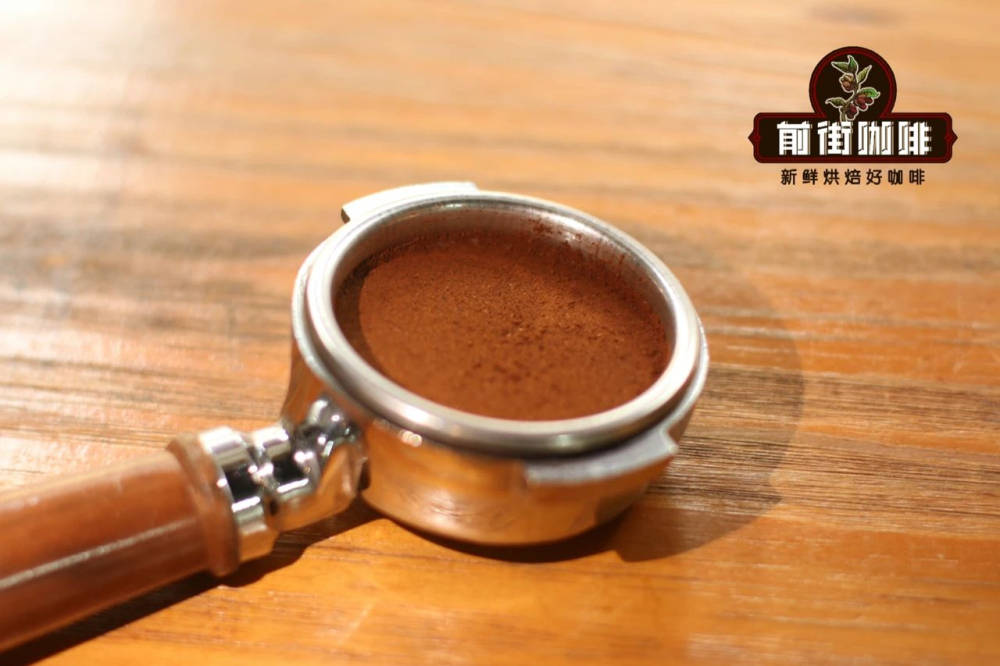
In practice, start by ensuring the portafilter basket is clean, then precisely weigh the freshly ground coffee to the target dose. Use a distribution tool to evenly spread the coffee grounds, followed by tamping the puck with a tamper using firm and vertical pressure. This step is crucial for stabilizing flow rate and ensuring even extraction.
Before starting the extraction, it’s advisable to run a brief 1 to 2-second pre-infusion to wet the group head. This helps maintain extraction stability and clears any residual coffee grounds. Then, insert the portafilter, start the extraction, and observe changes in flow rate and color. Once the yield reaches the target (e.g., 40 grams), and the time falls within the ideal range, you can stop the extraction.
It’s important to note that daily factors such as humidity, coffee bean freshness, and roast level variations may all require adjustments to the extraction parameters. As such, flexibly fine-tuning grind settings, dose, and yield is an essential daily skill for baristas.
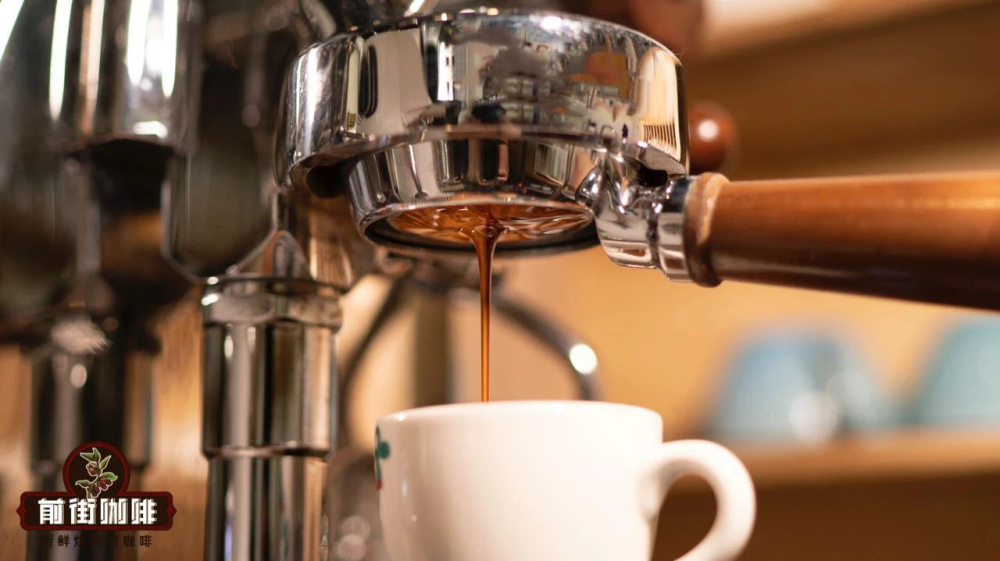
A freshly extracted Espresso not only boasts a rich and bold taste, but also features a layer of golden, fine foam on its surface—known as crema. This crema is formed when carbon dioxide released from the coffee beans under high pressure expands. It’s not only a symbol of coffee freshness but also helps retain more volatile aromas, enhancing the overall drinking experience.
Espresso can be enjoyed on its own to savor its intensity and layers of flavor. If the strength feels too bold, you can adjust to personal preference by adding water or milk. Whether you're making an Americano, latte, or cappuccino, a properly extracted Espresso is the essential foundation for crafting a great coffee.
When selecting coffee beans suitable for Espresso, blends are often the more stable and balanced choice. Given the high-pressure, high-temperature, and fine-grind environment of Espresso extraction, single-origin light roasts might exhibit overly prominent or acidic flavors. In contrast, blends combine beans from different origins and processing methods to achieve complementary and well-balanced flavor profiles.
For example, pairing beans with sweet and full-bodied characteristics with those offering distinct chocolate or nutty notes can create an Espresso that is smooth, rounded, and easy-drinking. Such blends not only showcase depth when sipped alone but also blend harmoniously with milk or other ingredients—making them ideal for a variety of coffee beverage preparations.
The above content is compiled by CoffeeHunters, a coffee news website.


