







Introduction:To enjoy a good cup of coffee in the office, choosing the right equipment and beans is key. This article takes a practical approach to analyzing the differences between fully automatic and semi-automatic espresso machines, key points in selecting the flavor of pour-over bags, and explaining why pre-ground coffee is not recommended for pour-over brewing. It also provides bean recommendations that balance stable extraction, cost-effectiveness, and flavor performance, helping you find the most suitable office coffee solution based on your needs.
In an office environment, there are many ways to enjoy a quality cup of coffee: some prefer using a small espresso machine to extract espresso, then adding hot water or milk according to personal taste to make an Americano or latte; others opt for the convenience of one-touch capsule coffee systems; those looking to save time can use pour-over bags, which only require hot water and a few minutes to deliver a flavorful drip black coffee; and for coffee enthusiasts willing to invest more time and effort, pour-over brewing is also worth trying, allowing them to savor the layered flavors of single-origin beans. Different brewing methods have varying requirements for the characteristics of the coffee beans. This article will delve into the features and selection tips of various equipment—from espresso machines and pour-over bags to pour-over brewing—while considering stable extraction, flavor performance, and cost-effectiveness. It recommends several practical bean options, including basic espresso blends, to help you create the best office coffee experience.
Among the many office coffee solutions, using a small espresso machine with espresso as the base, then adjusting it to an Americano or latte as needed, is the most common choice. Many people also choose the convenience of one-touch, quick-to-brew capsule coffee systems. For those who want an even easier start, pour-over bags—with relatively low operational barriers—only require hot water and about two to three minutes to enjoy a flavorful drip black coffee. For users willing to spend a bit more time and care, pour-over brewing is also worth exploring, not only allowing the selection of single-origin beans based on personal taste but also offering the chance to brew coffee with clear, layered flavors.
1. Coffee Machine Selection: Differences Between Fully Automatic and Semi-Automatic
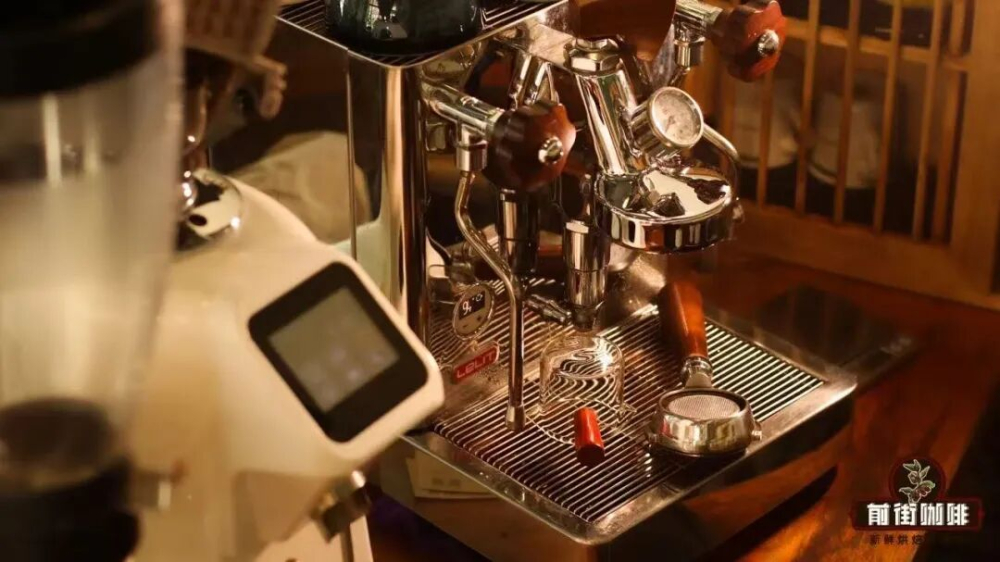
Coffee machines on the market can generally be divided into two main types: fully automatic and semi-automatic. The biggest advantage of fully automatic machines is their time and labor savings—all you need to do is put the coffee beans in the bean hopper, and the rest, including grinding, tamping, brewing, and even basic cleaning processes, can be automatically completed by the machine with almost no manual intervention. These machines usually come with a built-in milk frothing system, enabling quick preparation of common specialty drinks like cappuccinos, mochas, or lattes, making them ideal for users who prioritize efficiency and convenience.
In contrast, semi-automatic machines require the user to personally handle every step, including grinding, setting parameters, distributing the grounds, tamping, brewing, and manually frothing milk. Since each step can be controlled by the user, the final extracted espresso often performs better in terms of flavor and consistency, making it highly suitable for users with specific taste preferences in coffee and who are willing to invest time in learning how to operate the machine.
Whether you choose a fully automatic or semi-automatic machine, the flavor performance of espresso ultimately depends on the coffee beans used. For most office workers, extraction stability is the primary consideration, followed by flavor characteristics and cost-effectiveness. Taking these three factors into account, it is recommended to consider medium to dark roasted blends, such as a basic espresso blend made from Yunnan small beans and Brazilian semi-washed beans. Its flavor profile includes notes of cream, nuts, chocolate, caramel, and a subtle hint of plum, suiting the taste preferences of most people.
2. Pour-Over Bags: Balancing Convenience and Flavor
Pour-over bags are made from freshly roasted coffee beans, offering a wide range of flavor profiles—from the bright fruity acidity of light roasts to the rich nutty tones of dark roasts—making it easy to find options for nearly every style. As a result, they have become a daily coffee favorite for many office workers. Compared to instant coffee, pour-over bags retain more of the coffee’s original aroma and origin characteristics. With just hot water and an open cup, and just a few simple steps, you can enjoy a premium-quality coffee close to that of a pour-over brew at any time.
The foundation of a high-quality pour-over bag lies in the quality of the beans used. For users new to pour-over bags, it is recommended to first choose specialty coffee products with distinct and easily recognizable flavor characteristics. If you enjoy a refreshing floral aroma, consider a washed-process Yirgacheffe-flavored pour-over bag; for those preferring a balanced taste without being overly acidic or bitter, a Brazilian semi-washed flavored pour-over bag is an ideal choice; and for those seeking a rich, full-bodied flavor with a lingering sweet aftertaste, it is recommended to choose a Golden Mandheling pour-over bag that has undergone strict hand sorting with a low defect rate—the aroma is clear and the finish is long-lasting.
3. Pour-Over Brewing: The Dual Challenge of Technique and Freshness
Pour-over is a type of drip filtration brewing method, where the brewer uses a steady stream of water to pour controlled temperature water in measured amounts over the coffee grounds, completing the extraction process. During this process, grind size, water temperature settings, pouring technique, and total extraction time all significantly affect the final flavor profile, thus requiring a certain level of skill and coffee knowledge to operate.
It is worth noting that it is not recommended to directly purchase pre-ground coffee for pour-over brewing. Once coffee is ground, its aromatic molecules rapidly dissipate, significantly shortening its shelf life. Some users, in an attempt to save time, choose to buy pre-ground coffee—even if they consume it relatively quickly (such as finishing a pound of coffee within a little over a week)—may still notice a significant decline in flavor later on; if consumed more slowly, leaving the grounds for more than two weeks often results in complete loss of flavor, and it is recommended to discard them altogether.
Generally, the optimal flavor window for coffee beans is within 30 days post-roast. Beyond this period, aromatic molecules gradually dissipate along with carbon dioxide release, and the brewed coffee tends to taste flat and bland. Therefore, choosing freshly roasted coffee beans is crucial. Ideally, coffee beans should be shipped within five days post-roast and delivered quickly to ensure consumers receive them while they are still at their peak aroma.
In terms of bean selection, if you prefer a refreshing, non-bitter flavor, consider light-roasted beans with distinct fruity or floral notes, such as Small Tomato, Red Cherry, or Huagui; if you enjoy a rich, full-bodied taste, it is recommended to choose dark-roasted beans like Golden Mandheling, Queen Estate, or Huilan; in addition, varieties with sweet, layered flavors such as Strawberry Sugar, Sidamo, and Mozart are also favored by many coffee enthusiasts.
The above content is compiled by CoffeeHunters, a coffee news website.


