







Introduction:Have you ever wondered why some pour over coffees can exhibit a noticeable sweetness even without added sugar? In fact, coffee does naturally contain sweet-tasting compounds, and whether these are fully expressed during brewing depends on factors such as bean variety, processing method, and roast level. This article will delve into the sources of coffee sweetness and offer practical brewing tips to help you draw out a sweeter and smoother black coffee — from flavor associations and processing techniques to water temperature and grind size.
Many people’s first impression of pour over coffee is still that of a bitter and astringent taste. However, by selecting the right beans and brewing method, high-quality black coffee can not only present rich layers of flavor but also reveal a surprisingly natural sweetness. This sweetness doesn’t come from added sugar, but from the flavor compounds inherent in the coffee beans, influenced by factors such as variety, processing method, and roast profile.
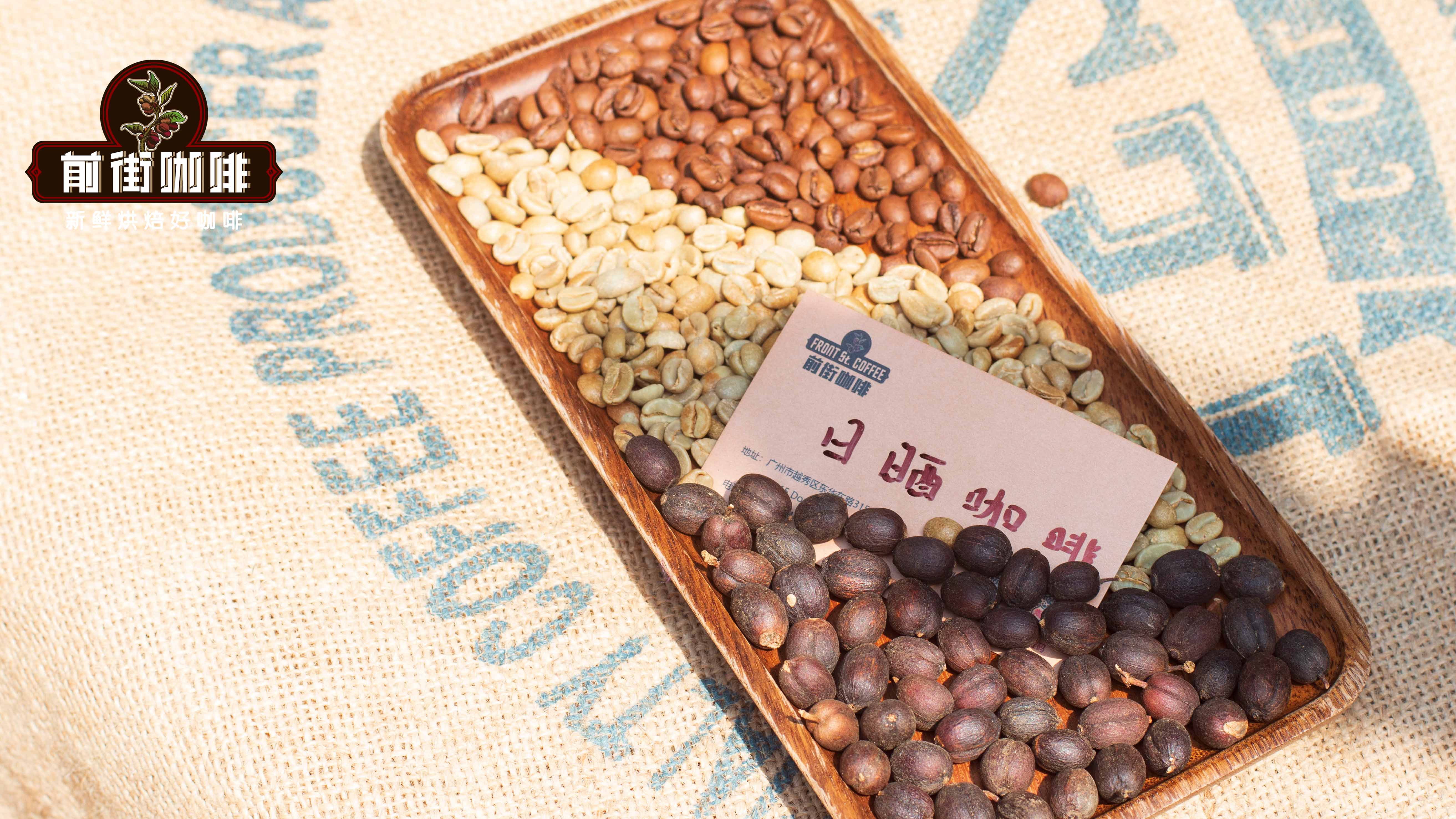
For example, coffee beans processed using the natural (sun-dried) method often exhibit a stronger sweetness compared to washed processed beans, because the fermentation process retains the fruit pulp and mucilage intact. Especially with slow sun-drying techniques, the extended drying time allows the sugars in the pulp to more thoroughly penetrate the bean core, further enhancing the sweet flavor profile. Some well-known estates’ Red Label series released under the natural process, for instance, bring out intense tropical fruit and honey-like sweetness through this method.
When we talk about the sweetness of coffee, we often hear exclamations like “this cup is so sweet,” but this kind of sweetness isn’t as direct as table sugar. Instead, it’s a comprehensive flavor experience. In fact, coffee beans naturally contain sweet components such as sucrose, glucose, and fructose, which are released during roasting and extraction, delivering varying degrees of sweet flavor cues.
In drip coffee, sweetness usually doesn’t dominate alone but is often complemented by acidity or bitterness. For example, light roast coffees with fruity acidity profiles often have a bright foundation of citrus or berry notes, bringing out a peach or lychee-like fruit sweetness. Varieties such as Geisha or Hua Kui from certain renowned regions, when lightly roasted, can showcase clear floral and fruity aromas along with a soft sweetness, offering a taste as natural as fresh fruit.
 On the other hand, dark roast coffee is often perceived as bitter, but with an appropriately designed roast curve, it can produce a complex sweetness reminiscent of caramel, dark chocolate, and nuts through Maillard reactions and caramelization. The sweetness in such coffees is often accompanied by a rich body, where bitterness and sweetness reach a well-balanced harmony. For instance, some Brazilian or Indonesian bean varieties, when dark roasted, can express a deep caramel sweetness, making them ideal for drinkers who prefer a fuller mouthfeel.
Interestingly, sweetness is sometimes not directly perceived by the taste buds but is triggered through olfactory association. The human olfactory system can remember a vast array of scents, and when we smell aromas like honey, caramel, or roasted sweet potato, the brain automatically associates these with the sweet experiences commonly linked to those smells, thereby creating a subjective feeling of “tasting sweet” just from the aroma. This is also why some coffees, when brewed, emit strong caramel or dried fruit aromas, leading us to expect and perceive a more pronounced sweet flavor experience.
 To fully draw out the sweetness of coffee during pour over brewing, besides choosing the right bean variety and processing method, brewing parameters are also crucial. It is generally recommended to use a medium-fine grind (roughly the consistency of wheat flour to coarse sugar), with water temperature controlled between 90–93°C. Employing a staged extraction method — first pouring a small amount of hot water for blooming, then gradually adding the rest in stages — helps evenly extract sugars and flavor compounds. Additionally, a stable pour rate and appropriate blooming time (about 30 seconds) can help the coffee grounds fully expand, releasing more sweet precursors.
In summary, the sweetness in pour over coffee is not accidental, but the result of precise control at every stage from the bean farm to your cup. From understanding how different processing methods affect sweetness to adjusting brewing parameters to enhance flavor expression, mastering these key points will allow you to brew black coffee with noticeable sweetness and rich layers at home, redefining your perception of pour over flavor.
The above content is compiled by CoffeeHunters, a coffee news website.


