







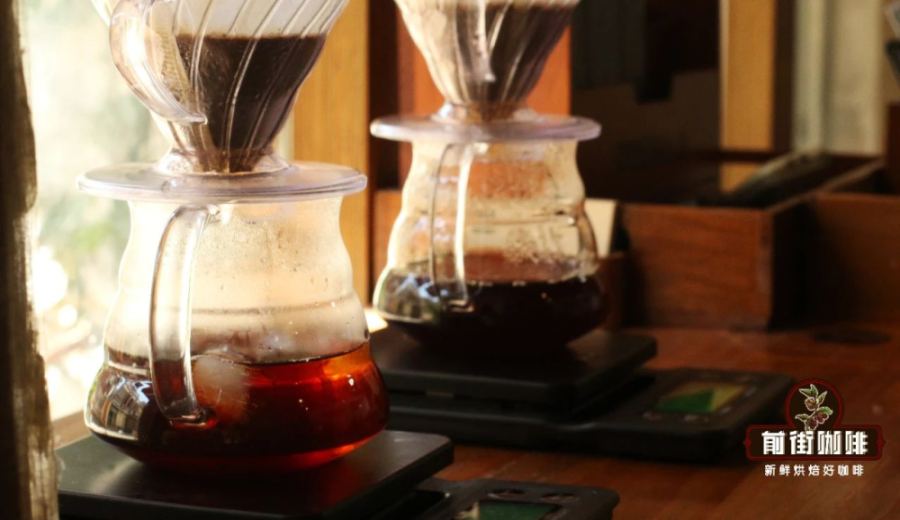
Introduction:Want to easily make restaurant-quality iced pour-over coffee at home? This article provides a detailed breakdown of key parameters for iced pour-over, including grind size selection, brew ratio adjustments, and core differences from hot pour-over. By mastering the golden ratio of 10 parts hot water to 5 parts ice and understanding how finer grind extends extraction time, you’ll be able to recreate a layered, refreshing iced pour-over while avoiding common under-extraction pitfalls.
When the heat becomes unbearable and iced coffee becomes the go-to for cooling down, cold brew and iced drip may excel in bold flavors but require long wait times. In this case, iced pour-over coffee stands out for its convenience and outstanding performance. Many coffee enthusiasts, when observing baristas in cafés, often have questions about coffee dose, ice-to-water ratio, temperature control, and pouring techniques.
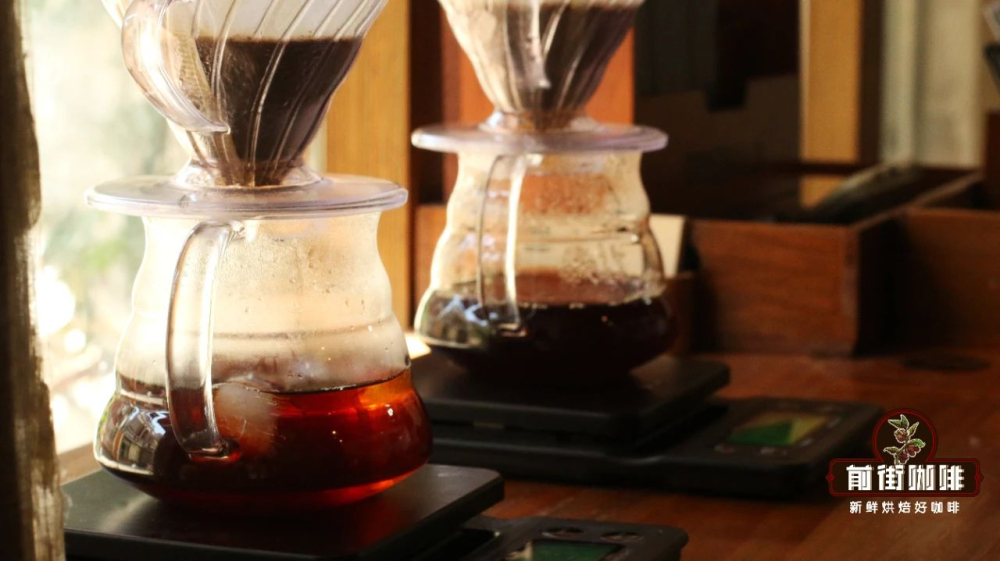
In fact, there’s no need to perfectly replicate all café parameters—just master one simple, practical “universal formula”: use finely ground coffee with a ratio of 10 parts hot water to 5 parts ice. This combination ensures sufficient extraction while the ice delivers a refreshing taste.
Compared to hot pour-over, the key difference in iced pour-over lies in the use of ice. Since part of the hot water is replaced with ice, to maintain adequate extraction strength and flavor richness, you must adjust the grind size and extend the extraction time accordingly. If you directly use the coarse grind and standard water volume of hot pour-over, it can easily lead to insufficient release of flavor compounds, resulting in a final cup that’s bland and uninteresting.
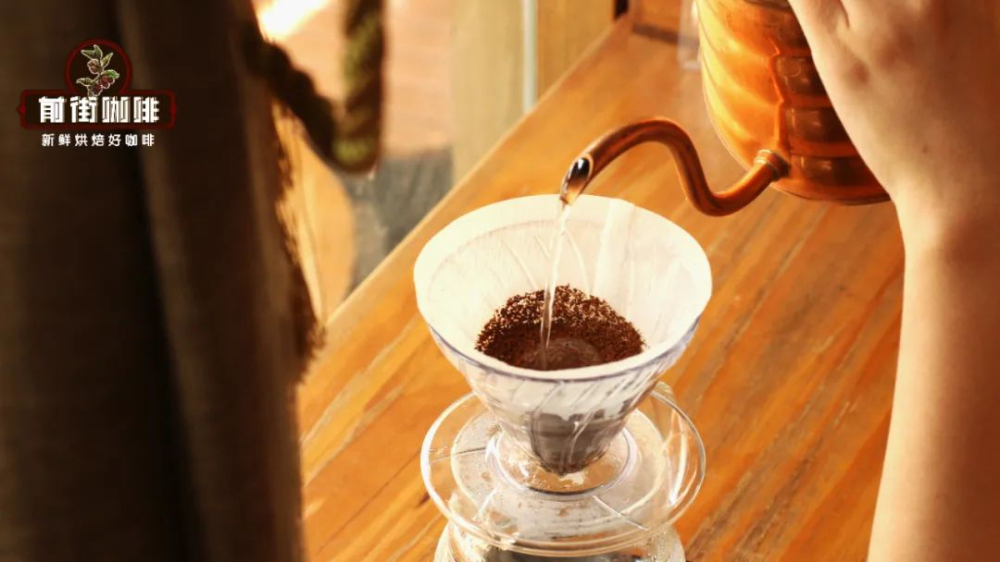
It’s worth noting that reducing the amount of hot water shortens the overall extraction time—typically from the standard 2 minutes to about 1 minute and 20 seconds. This can prevent later-stage flavor compounds from being fully released, leading to uneven extraction. Therefore, by using a finer grind, you can effectively extend the contact time between water and coffee grounds, ensuring the complete expression of aroma and taste.
It’s recommended to use a three-step pouring technique: first, place the ice in the server (adding ice first or later has minimal impact on flavor), then add 15 grams of finely ground coffee. In the first step, pour 30 grams of hot water in a small circle from the center outward using a fine stream, blooming for 30 seconds; next, in the second step, pour another 60 grams of hot water using the same method; finally, just before the water in the filter completely drips through, pour the remaining 60 grams of hot water. The entire process should aim to keep the extraction time between 1 minute and 50 seconds to 2 minutes, balancing concentration and flavor layers.
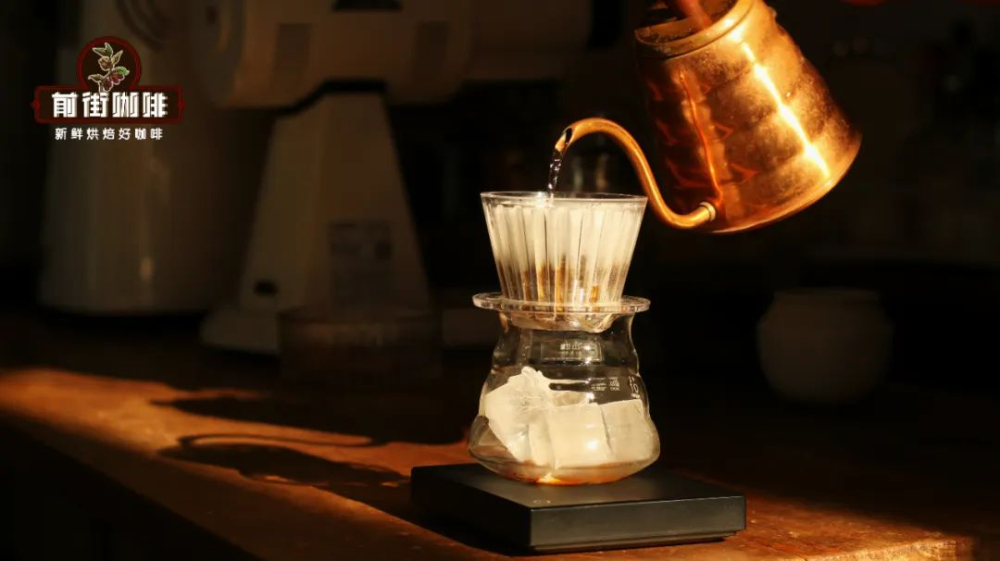
Common mistakes include over-pursuing ice quantity while neglecting grind adjustment, leading to under-extraction; or pouring with too coarse a stream or too fast a speed, affecting even release of flavor compounds. By precisely controlling the above parameters and techniques, you’ll be able to easily enjoy a professional-level iced pour-over coffee experience at home.
The above content is compiled by CoffeeHunters, a coffee news website.


