







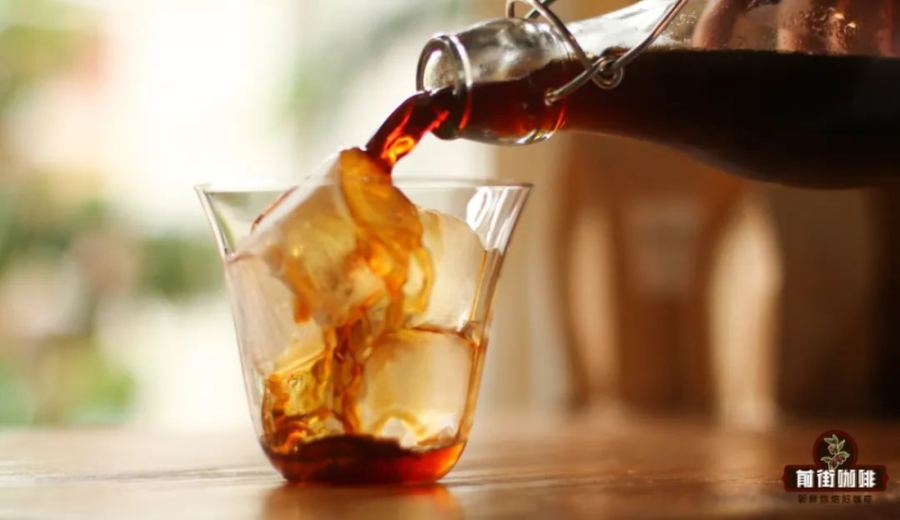
Introduction:Cold brew coffee is widely loved for its simple preparation, but many people often encounter issues such as unbalanced flavor, excessive acidity, or improper storage time. This article will delve into the key brewing parameters of cold brew, including the optimal steeping time range, how to adjust the coffee-to-water ratio and grind size to improve acidity, as well as the correct storage methods to extend freshness. Whether you're a beginner or already have some experience, you can gain practical operational tips from this comprehensive guide to easily brew rich and smooth cold brew.
Cold brew coffee may seem as simple as mixing coffee grounds with cold water and letting it sit, but in fact, every step affects the final flavor. Among them,steeping timeis one of the most critical variables, directly determining the extraction strength and flavor balance. Many home brewers often end up with coffee that is too light in flavor due to insufficient steeping time, or too heavy and even off-tasting due to steeping for too long.
Generally speaking, the recommended steeping time for cold brew coffee is12 to 24 hours, but this range can be slightly adjusted based on ambient temperature, coffee bean roast level, and personal taste preferences. In warmer environments, the steeping time can be slightly shortened to avoid over-extraction; in cooler conditions, it can be extended appropriately to fully extract the flavor compounds. Image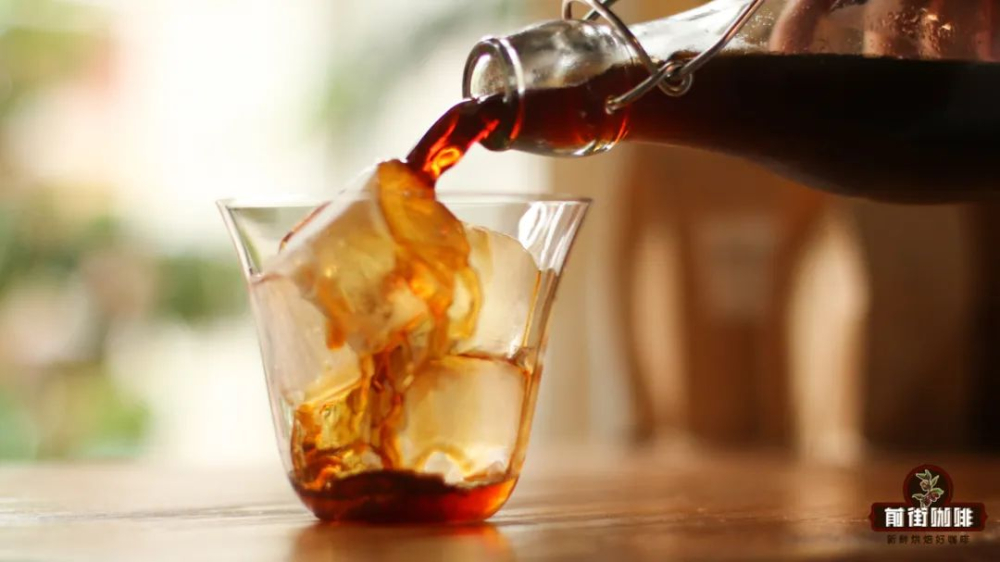 shows a common cold brew container and basic setup used in households for reference.
If you find that your homemade cold brew has overly pronounced acidity, it may be due to too short a steeping time, too fine a coffee grind, or using high-acidity coffee beans. To adjust overly acidic flavors, you can tryincreasing the coffee-to-water ratio, for example by adjusting the ratio from the common 1:8 to 1:12, meaning using 1200 milliliters of water per 100 grams of coffee grounds, which can effectively reduce overall acidity. Additionally, choosing medium-dark or dark roast beans can also reduce the intensity of sharp fruit acids.
Images and
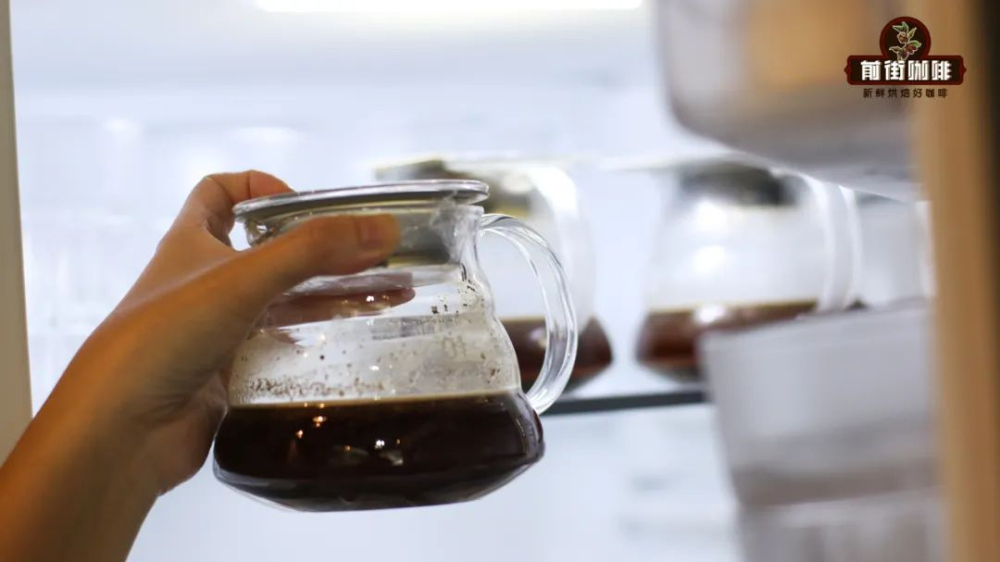 illustrate the impact of different grind sizes on cold brew flavor. It is recommended to use a medium-coarse grind, similar in texture to sea salt, which helps achieve even extraction while avoiding excessive release of tannins and acidic compounds. If you prefer a lower-acid, smoother-bodied cold brew, you might try adding a small amount of milk or plant-based milk, which not only softens the acidity but also enriches the flavor layers.
Regarding storage, finished cold brew coffee is best kept refrigerated,with an optimal shelf life of 7 to 10 days. To prevent flavor degradation, the cold brew should be poured into a clean, airtight container, minimizing exposure to air. If you wish to extend the storage time, you may also consider dividing it into smaller portions and freezing, though be aware that the texture may change slightly after thawing. Images and
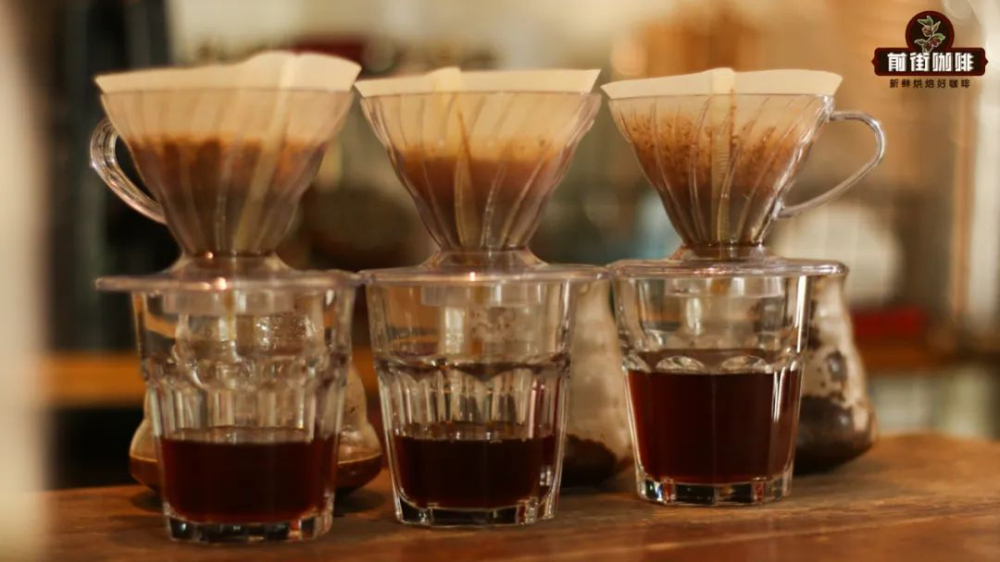 demonstrate the correct storage methods and portioning suggestions.
Some enthusiasts add fruit slices or spices such as cinnamon sticks or vanilla beans during the cold brew process to introduce unique flavors. While such flavoring methods can enhance the taste profile, they may also accelerate the oxidation of certain components, so it is recommended to add them just before drinking and consume the brew promptly for the best flavor experience. Image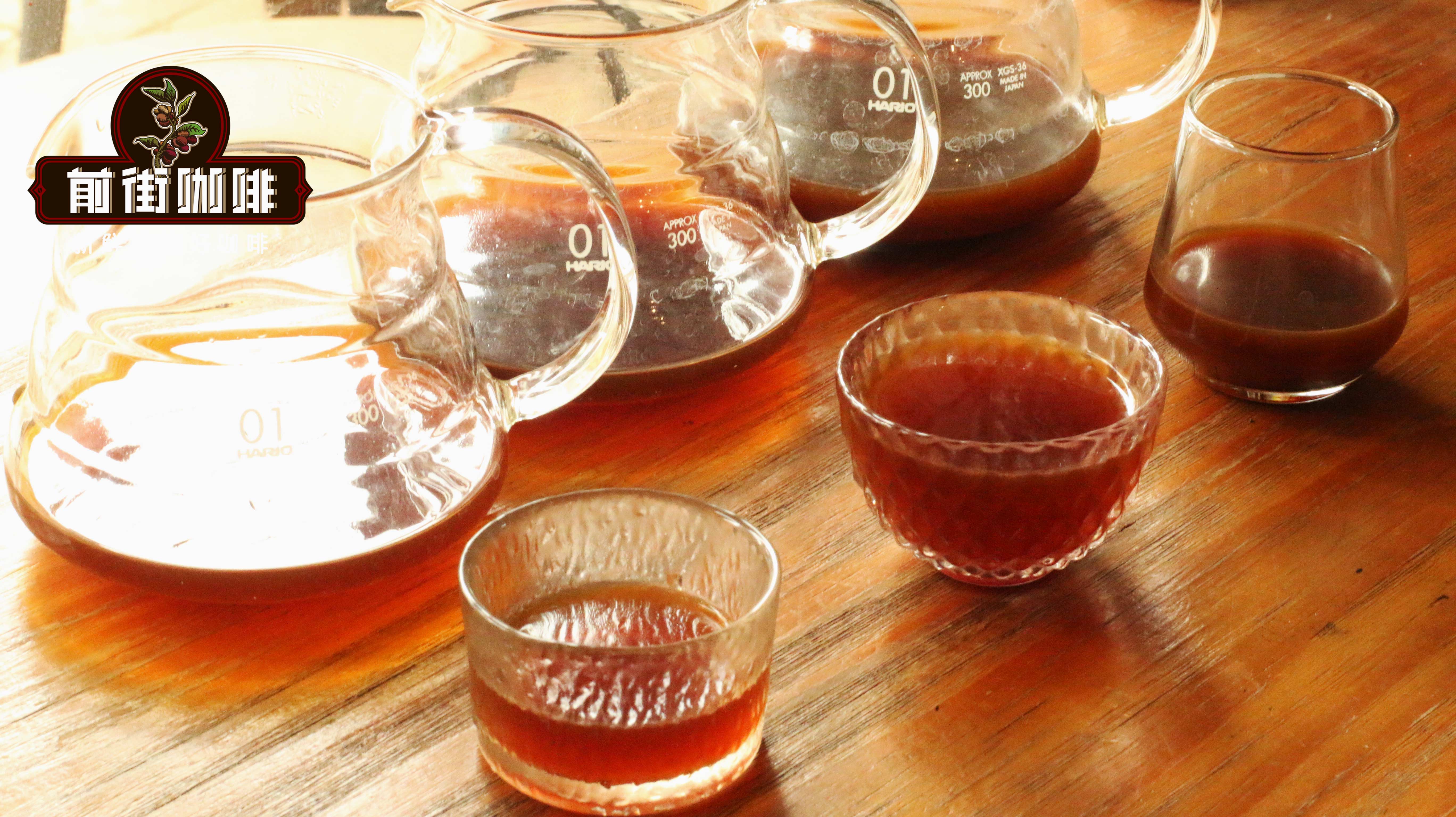 shows some common cold brew flavor pairing examples that can serve as inspiration.
In summary, making a cup of cold brew coffee with balanced flavor hinges on controlling the steeping time, selecting the appropriate grind size and coffee-to-water ratio, and storing it properly. Mastering these basic elements allows you to easily enjoy café-quality cold brew at home. Image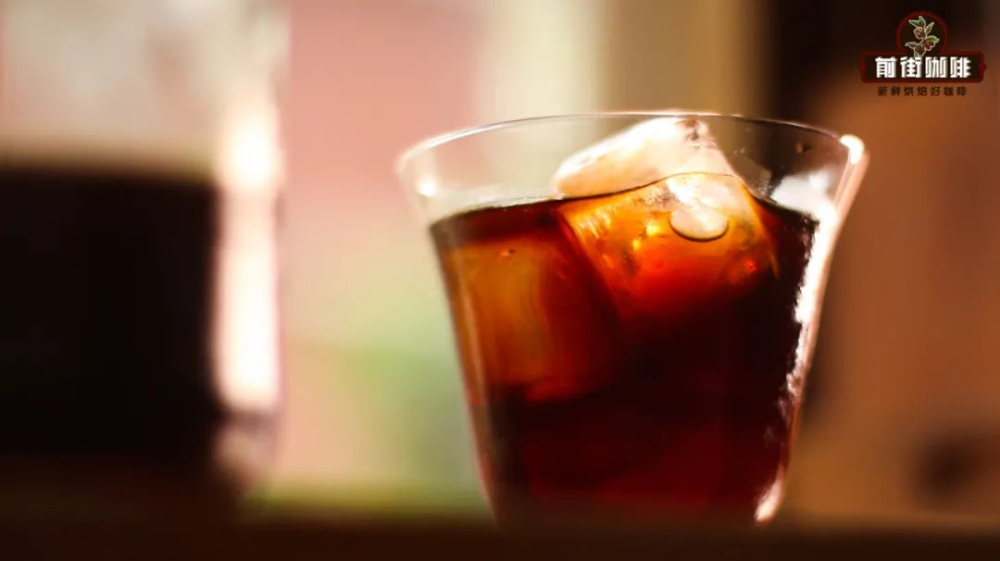 provides an overview of the entire process to help you better understand the arrangement and considerations of each step.
The above content is compiled by CoffeeHunters, a coffee news website.


