







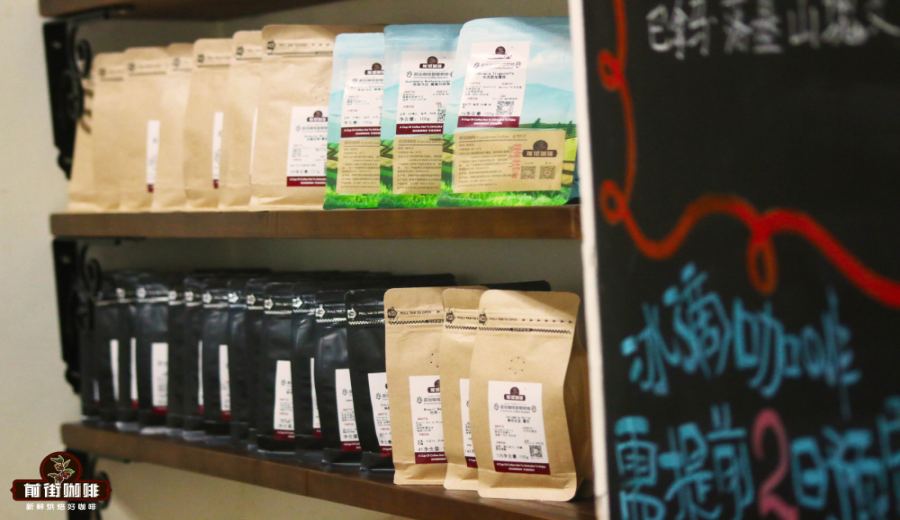
Introduction:Want to explore the unique flavor profile and optimal brewing methods of Colombia’s Paradise Estate Sakura coffee beans? This Castillo variety from the high-altitude Cauca region, processed with a double anaerobic washed method, showcases captivating fruity notes and layered fermentation complexity. This article delves into its regional characteristics, processing techniques, roast profile, and offers expert pour over parameters to help you fully unlock the potential of this specialty coffee bean.
Many coffee beginners are first introduced to specialty coffee through an SOE latte. Remember when Luckin Coffee sparked market buzz with the Huākuí SOE? And after Huākuí supply became tighter, a coffee bean from Colombia’s Paradise Estate took the spotlight. But what exactly are the flavor traits of this coffee, hailed as the “Taste of Paradise”? Let’s explore everything from its regional background to actual brewing techniques.
Colombia’s Coffee and the Natural Advantages of the Cauca Region
As a globally renowned coffee-producing nation, Colombia has a long-standing coffee culture, with cultivation dating back to the 16th century. Coffee is ranked among the country’s four major export treasures, alongside gold, emeralds, and flowers. Its exceptional geographical environment, fertile black soil, and diverse altitudes nurture numerous regions with distinct flavor profiles. Traditionally, the “MAM” regions—led by Medellín, Armenia, and Manizales—are the most well-known, typically producing coffee with rich and bold flavor profiles.
However, as the specialty coffee trend has risen, consumers have begun to seek single-origin beans that offer more regional character and terroir expression. In this context, the Cauca region in southwestern Colombia, known for its high altitude and steep terrain, has gradually emerged as a standout. With an average altitude exceeding 1,700 meters—and some micro-regions even approaching 2,100 meters—coupled with significant day-night temperature variations, coffee cherries have more time to ripen slowly, accumulating richer flavor compounds. The balance between acidity and sweetness is particularly outstanding.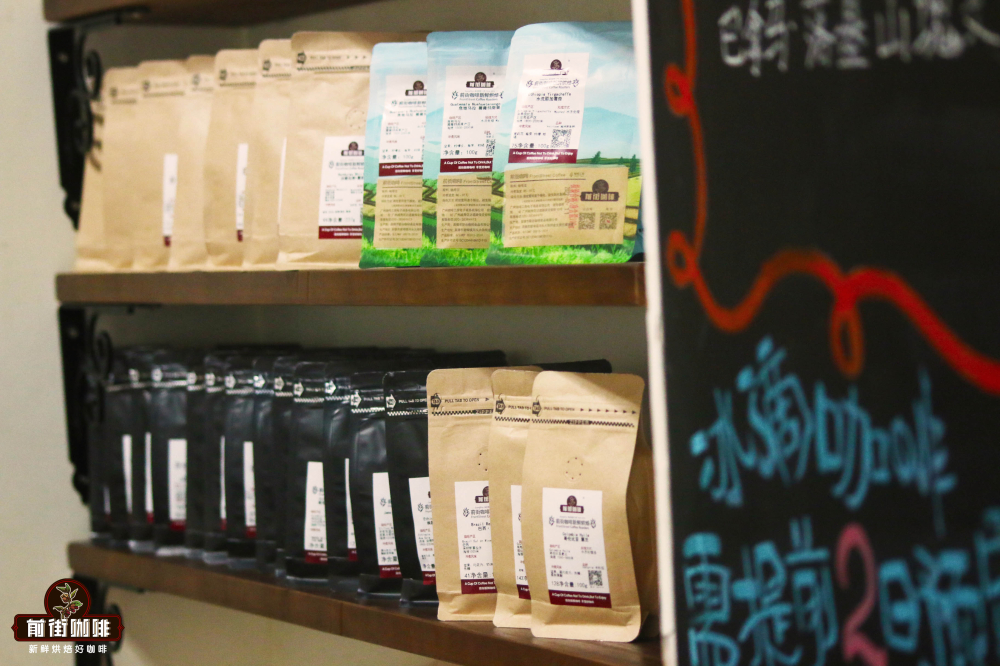
Paradise Estate and the Vision of Owner Diego Samuel
Speaking of the star of this article—the Colombia Paradise Estate Sakura coffee beans—it’s impossible not to mention its driving force, Diego Samuel. This estate, nestled in the high-altitude mountains where even the Pacific breeze can be felt, started as a small family-owned plot of just 2.5 hectares. In 2008, Diego, with a professional background in coffee, officially took over and initiated a series of reforms and innovations aimed at improving coffee quality and flavor expression.
In 2015, Paradise Estate won first place in a local coffee cupping competition, instantly gaining fame. Over the years, Diego has continuously refined planting and processing techniques, introducing diverse varieties such as Bourbon, Laurina, Geisha, and Castillo, and has earned numerous domestic and international awards. This once-obscure small estate has now become a focal point in the specialty coffee world.
Sakura Coffee Beans: The Secrets of Variety, Processing, and Flavor
The star of this article—a certain well-known specialty coffee brand’s Colombia Paradise Estate Sakura coffee beans—is one of the premium offerings crafted by Diego Samuel himself. This particular lot uses the Castillo variety and is processed with an innovative “double anaerobic washed method.” Anaerobic fermentation refers to placing coffee cherries in a sealed or water-controlled environment, where specific microbial communities guide the fermentation process to produce unique flavor layers, often resulting in fruity sweetness, wine-like aromas, or subtle fermentation notes.
The term “double anaerobic” refers to first fermenting the whole coffee cherries under anaerobic conditions, then removing the outer skin and pulp while retaining the thick mucilage layer rich in sugars and flavor compounds, followed by a second anaerobic process. Finally, the remaining mucilage is thoroughly washed off, and the beans are dried using sun drying. Though the entire process is complex, it effectively enhances the aroma complexity and flavor richness of the coffee.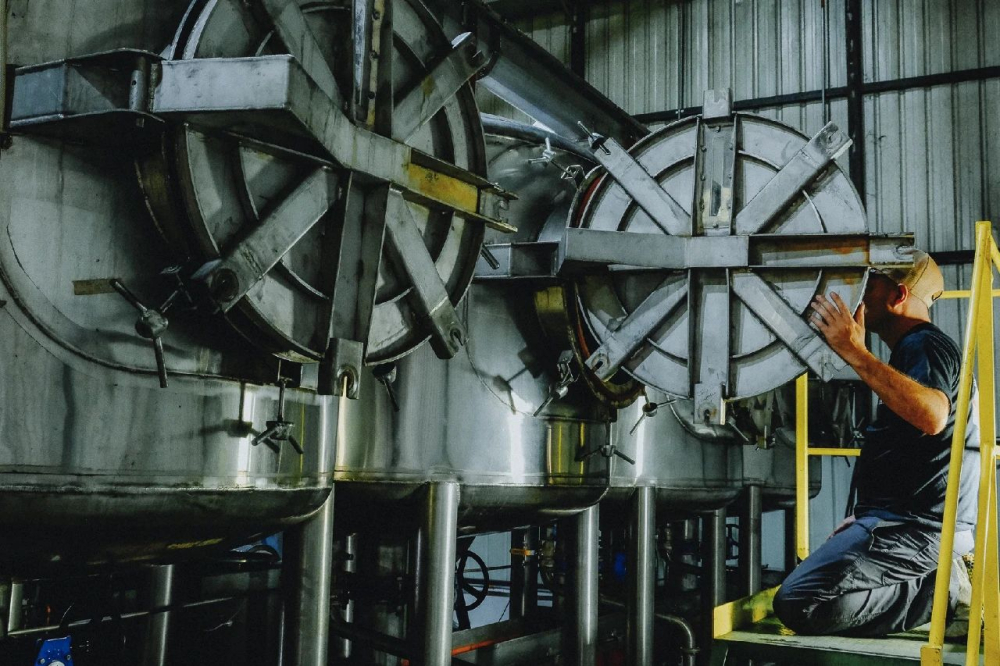
Roast and Pour Over Recommendations: How to Fully Release the Flavor
When roasting this Paradise Estate Sakura bean, a certain well-known specialty coffee brand chose a medium roast level. This roast degree preserves the bright acidity and fruity characteristics inherent to the Castillo variety while adding a moderate body to support the overall profile, resulting in a more balanced cup. For coffee lovers who enjoy distinct flavor layers and a harmony of acidity and sweetness, this roast direction is ideal.
As for pour over parameters, it is recommended to use a Hario V60 filter, with water temperature controlled at 90°C, approximately 15 grams of coffee grounds, and a 1:15 coffee-to-water ratio. Specifically, begin with a small amount of hot water (around 30 grams) for a 30-second bloom to activate the coffee grounds; then pour steadily with a fine stream in circular motions from the center outward until reaching 125 grams of water; when the water level in the filter is about to expose the coffee bed, continue pouring to a total of 225 grams of water. Aim for an overall extraction time of around 2 minutes to achieve the best flavor balance.
The brewed coffee is often described in cuppings as having herbal aromas such as basil and rosemary, with some even detecting a unique note reminiscent of mugwort. The finish unveils a gentle sweetness akin to strawberry jam. As for the naming origin, it’s said the estate owner, while smelling the coffee, was reminded of the delicate fragrance of cherry blossoms in spring, hence the name.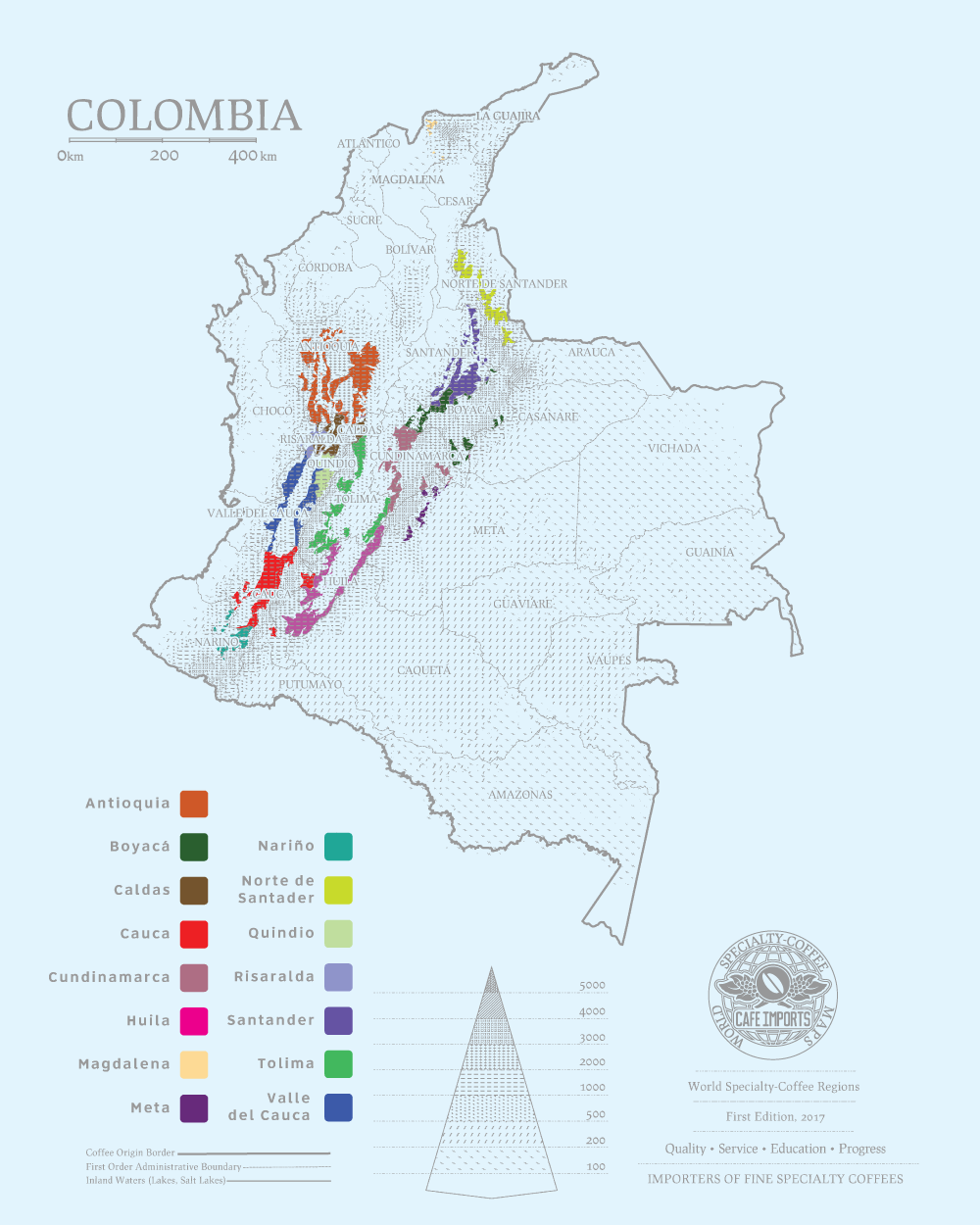
Practical Tips: Grinding and Storage Advice
It’s important to note that this coffee bean is most vibrant within 5 days post-roast and is best enjoyed as soon as possible. If you have a grinder at home, grinding fresh right before brewing helps retain carbon dioxide and volatile aromatic compounds, avoiding flavor loss caused by prolonged storage after grinding. If purchasing pre-ground coffee, ensure proper storage and use it within a short period to maintain the best drinking experience.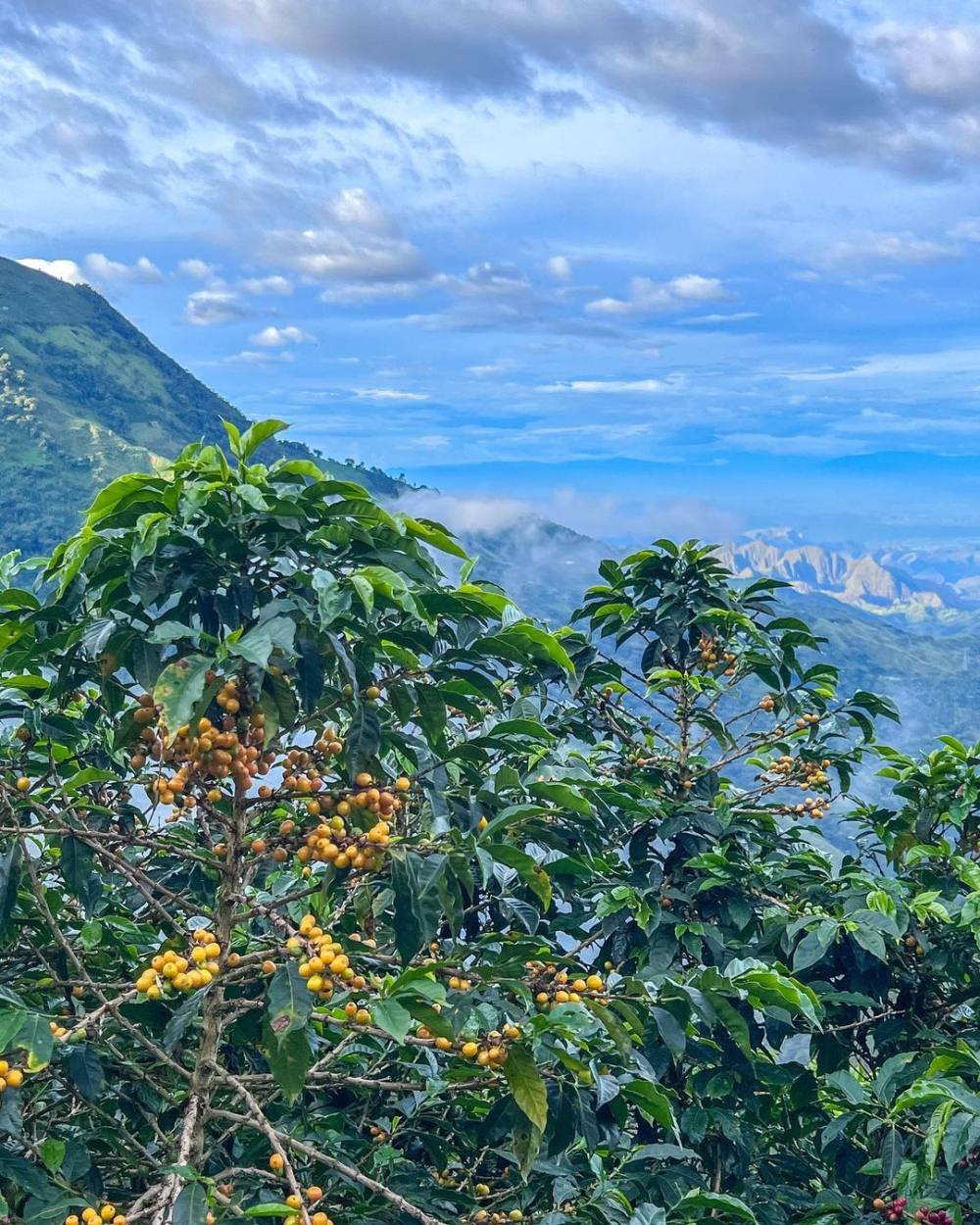
The above content is compiled by CoffeeHunters, a coffee news website.


