








Introduction:Want to brew a refreshing and sweet cold brew at home but get overwhelmed by countless recipes? This article breaks down the principles of cold brewing in an easy-to-understand way, guiding you through the ideal coffee-to-water ratio, recommended steeping time, and analyzing the essential flavor differences between cold and hot brews. Plus, we’ll recommend practical beans to help you avoid selection pitfalls and effortlessly make a clean, bright cold brew.
Enjoying a cool and flavorful cold brew at home is a favorite summer activity for many coffee lovers. However, searching online for cold brew recipes often leads to vastly different methods, which can easily confuse beginners. This article starts from the basic principles, taking you through the full process of making cold brew—covering key parameters and flavor characteristics—and teaches you how to choose the most suitable coffee beans, ensuring an easy and mistake-free start.
As the name suggests, cold brew involves steeping ground coffee in cold water (filtered water is recommended) over an extended period to extract the coffee liquor. Compared to hot brewing, which uses high temperatures to quickly extract flavors, the cold brew process is gentler and slower. This results in lower acidity, smoother bitterness, and a more pronounced sweetness along with delicate floral and fruity aromas.
Typically, the basic method for cold brew is to mix ground coffee with cold water at a set ratio, then let it sit in a refrigerated environment for at least 24 hours to allow the desirable compounds in the coffee to fully dissolve into the water. This long steeping time helps reduce the risk of over-extraction and allows the coffee to present a more balanced and cleaner taste.The recommended coffee-to-water ratio is usually 1:7 to 1:8, meaning 1 gram of coffee grounds to 7–8 grams of water. Of course, you can fine-tune this based on your personal taste to find your ideal strength balance.
Although cold brew only requires simple containers and time, some may opt for professional cold drip equipment or cold brew machines to achieve more stable flow rates and temperature control, further enhancing extraction consistency and flavor expression. No matter which method you use, the key lies in controlling time and ratio to ensure the coffee’s flavors are fully expressed while maintaining balance.

Since cold brew aims for a smooth, clean, and layered taste, bean selection becomes especially important. It’s recommended to prioritizemedium to light roasted coffee beans, which generally have brighter acidity and complex aromas. These can deliver more nuanced flavors during cold brewing while avoiding excessive burnt or smoky notes.
First up is “Butterfly Pea,” a Panama-origin coffee processed via the washed method, containing up to 70% Gesha variety. This bean offers excellent cost-performance, and when used for cold brew, it presents very refreshing floral and citrus notes, along with a hint of oolong-like aftertaste. The overall profile is clean yet vibrant.
The second recommendation is “Sun-Dried Red Cherry,” sourced from the renowned Yirgacheffe region. Yirgacheffe has always been known for its rich floral and fruity character, and the Red Cherry batch is among its premium representatives. After sun-drying, this bean releases notable berry aromas, honey sweetness, and multi-layered fruitiness in cold brew, offering vivid and well-defined flavors.
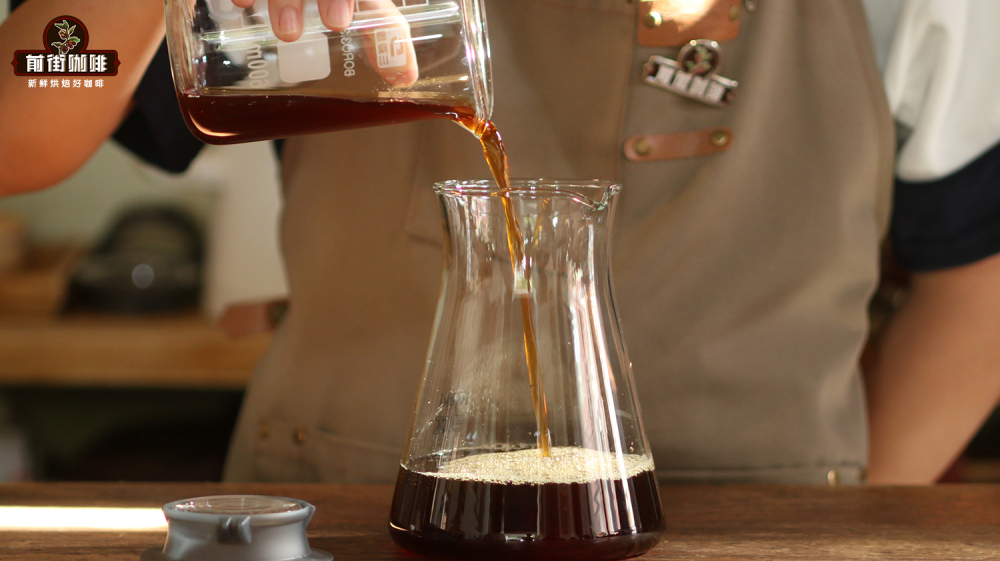
Lastly, there’s “Mozart,” a coffee from Costa Rica’s Musician Series, processed using anaerobic honey fermentation with highly distinctive flavors. When cold brewed, it reveals enchanting osmanthus, grape, and subtly fermented wine notes. The sweetness is prominent, and the mouthfeel is rich—making it a must-try for those who love a balance of fruity and sweet profiles.
It’s worth noting that cold water extracts relatively less oil and acidic compounds during the brewing process. As a result, cold brew coffee has roughly only one-third the acidity of hot brew. This makes the flavor of cold brew mellower, with more prominent sweetness. Those delicate floral and fruity notes that might be muted in hot brew are fully released in cold brew, resulting in a cleaner, brighter, and more enjoyable taste.
In summary, cold brew isn’t just easy to make—it also allows you to craft your own unique flavor through simple adjustments in ratio and bean selection. By mastering the golden 1:7 to 1:8 ratio, steeping for at least 24 hours, and choosing medium to light roasted beans with distinct flavors, you too can enjoy a cool, smooth, and layered cold brew at home.
The above content is compiled by CoffeeHunters, a coffee news website.


