







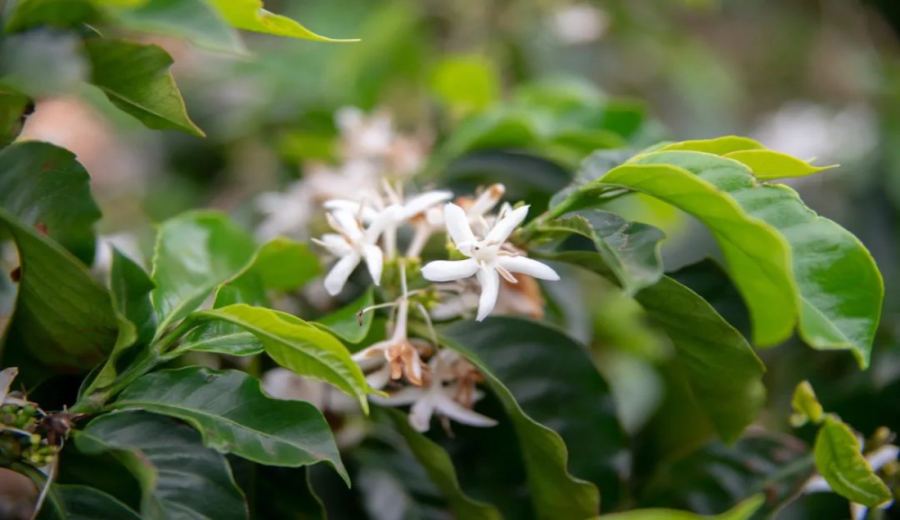
Introduction:Since winning the top prize at the Best of Panama (BOP) competition in Panama in 2004, Geisha coffee has become a standout in the specialty coffee world, widely praised for its unique citrus, floral, and tea-like flavor profile. However, many people encounter two common Chinese translations when researching—“瑰夏” (Guīxià) and “藝妓” (Yìjì). Which one is correct? And how did we get here? This article delves into the journey of Geisha from its origins in Ethiopia, to its introduction in Panama, and finally its breakthrough in coffee competitions. It explains the cultural and market considerations behind the evolving translations, and offers practical pour over parameters and flavor guidance to help coffee newcomers better understand this classic coffee variety.
In 2004, a coffee variety from Panama achieved astonishing results in the then most prestigious specialty coffee competition—the Best of Panama (BOP), not only claiming the championship but also selling for an unprecedented $21 per pound, reshaping the market’s perception of coffee quality and value. This variety was none other than what later became widely known as Geisha. Since then, Geisha coffee has consistently stood out in both domestic and international competitions, becoming a dream coffee for many baristas and enthusiasts.
However, when readers begin searching for detailed information about this coffee, they may find it has two commonly used Chinese translations: “瑰夏” and “藝妓.” After all, they refer to the same coffee variety from the Gesha Mountains, so why the drastically different Chinese names? Behind this lies a cross-continental, linguistic, and cultural evolution.
In the early days in Taiwan and some other Chinese-speaking regions, this variety was often referred to as “藝妓咖啡,” a name that can be traced back to Japan. It is understood that when Japanese traders first encountered this variety, they noticed the similarity between the English pronunciation “Gesha” and the Japanese word “芸者 (げいしゃ, geisha),” meaning geisha or performing artist. As a result, they translated it into Chinese as “藝妓.” This name later entered Taiwan through Japanese materials and became the dominant term for a period. The more poetic translation “瑰夏,” on the other hand, was proposed by Mr. Yuan, the person in charge of the now-defunct Dreamer Coffee bean company in mainland China, and gradually gained recognition and promotion in the market.
The shift from “藝妓” to “瑰夏” was driven not only by the initial phonetic misunderstanding but also by cultural sensitivity concerns. Some businesses even packaged this coffee using imagery of Japanese geisha, which could easily mislead consumers into thinking the name was related to Japanese cultural performance art—when in fact there is no connection whatsoever. Changing the translation not only helps clarify the origin but also allows this exceptional-flavored coffee variety to be presented in a way that aligns more closely with its actual characteristics—magnificent, fresh, and naturally poetic.
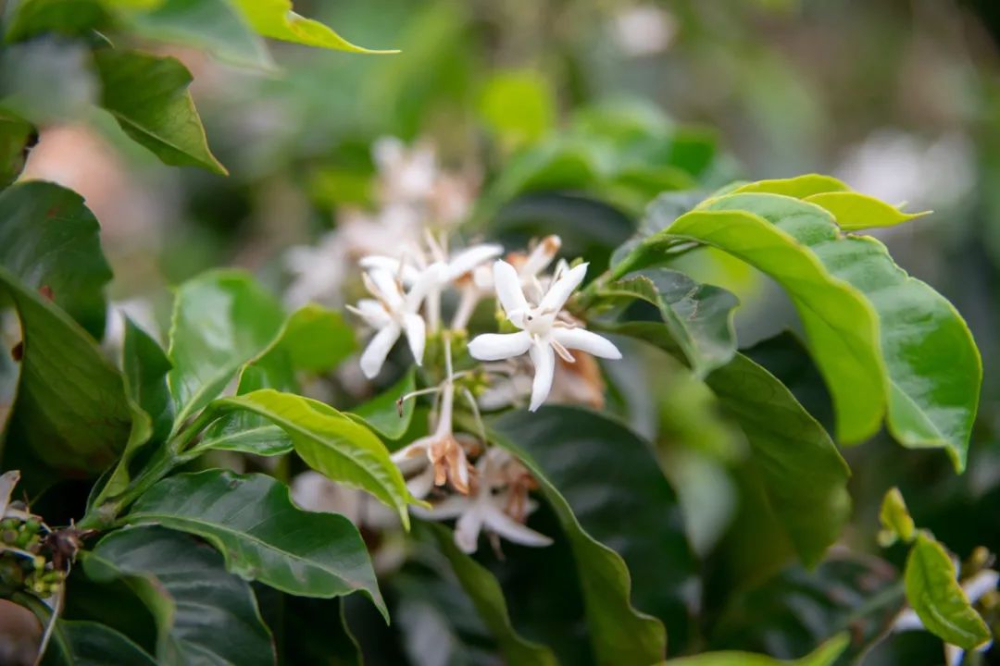
To discuss the origin of Geisha, we must go back to the 1930s in Africa. At that time, British colonial explorers discovered this unique coffee tree variety in the Gesha mountainous area of southwestern Ethiopia. However, it was not given an official name at the time and was simply recorded as being collected from the “Gesha Mountains.” Later, these coffee trees were introduced to research stations in Kenya and Tanzania, where they demonstrated strong resistance to coffee leaf rust, making them important materials for research and breeding.
Many years later, these promising seeds were eventually brought to Panama and used in the country’s coffee variety improvement program. Initially, Geisha did not receive special attention and was merely considered one of many trial varieties, planted in the marginal areas of Hacienda La Esmeralda (Emerald Estate).
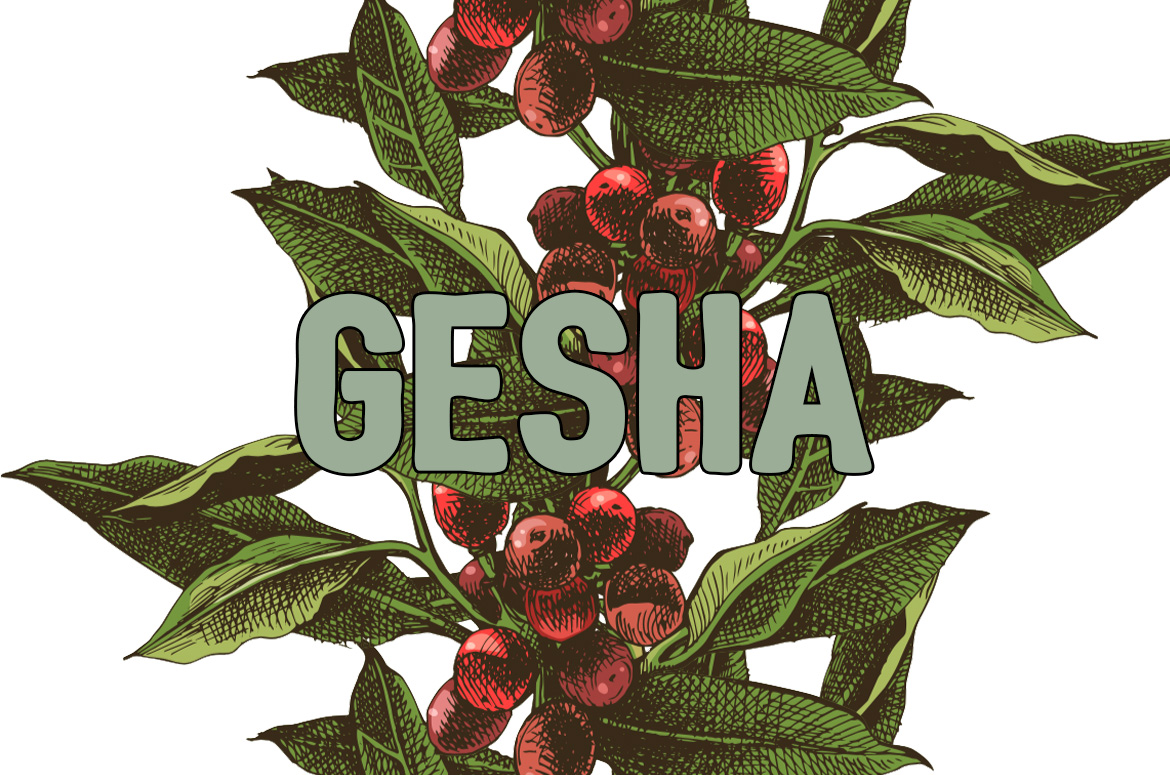
It wasn’t until 2003 that the management team at Hacienda La Esmeralda unexpectedly discovered during routine cupping that coffee produced by certain trees exhibited a flavor profile distinctly different from surrounding varieties—noticeable citrus aroma, delicate floral notes, and a green-tea-like freshness. After further isolation and processing, these special coffee beans made a stunning debut at the 2004 BOP competition—not only winning the championship but also sparking a global specialty coffee craze for “Geisha.”
Genetic testing later confirmed that these high-performing coffee trees indeed shared the same genetic lineage as the original plants collected from the Gesha Mountains in Ethiopia. Thus, they were officially named “Gesha.” Today, while many coffee farms in Panama grow Geisha, Hacienda La Esmeralda is still regarded as the classic representative of this variety, and the Boquete region is one of its primary growing areas.
For readers who are just getting into Geisha coffee, it is recommended to start with beans from the Boquete region of Panama. This area features high altitude and significant day-night temperature variations, which help the coffee cherries ripen slowly and accumulate rich flavor compounds. However, due to the relatively high density and hardness of Geisha beans, attention should be paid to the brew ratio and grind size to avoid channeling or uneven extraction.
Practical pour over suggestions are as follows: Use a grind size of approximately 78% passing through a 20-mesh sieve (close to the coarseness of fine sugar). Use 15 grams of coffee, extracted at a 1:16 brew ratio, with a Hario V60 size 01 filter, and water temperature around 91°C. The brewing process can follow a three-pour method: start with a 30-gram bloom for 30 seconds, then pour in a circular motion up to 125 grams, wait for the water level to drop, then continue pouring to 225 grams. The total brew time is recommended to be between 2 minutes 10 seconds and 2 minutes 20 seconds to fully showcase its layered flavors.
Geisha from the Boquete region typically showcases bright citrus acidity, elegant white floral notes, a refreshing tea-like quality reminiscent of green tea, and a honeyed sweetness in the aftertaste. It is a classic specialty coffee that embodies the advantages of high-altitude cultivation and meticulous processing.
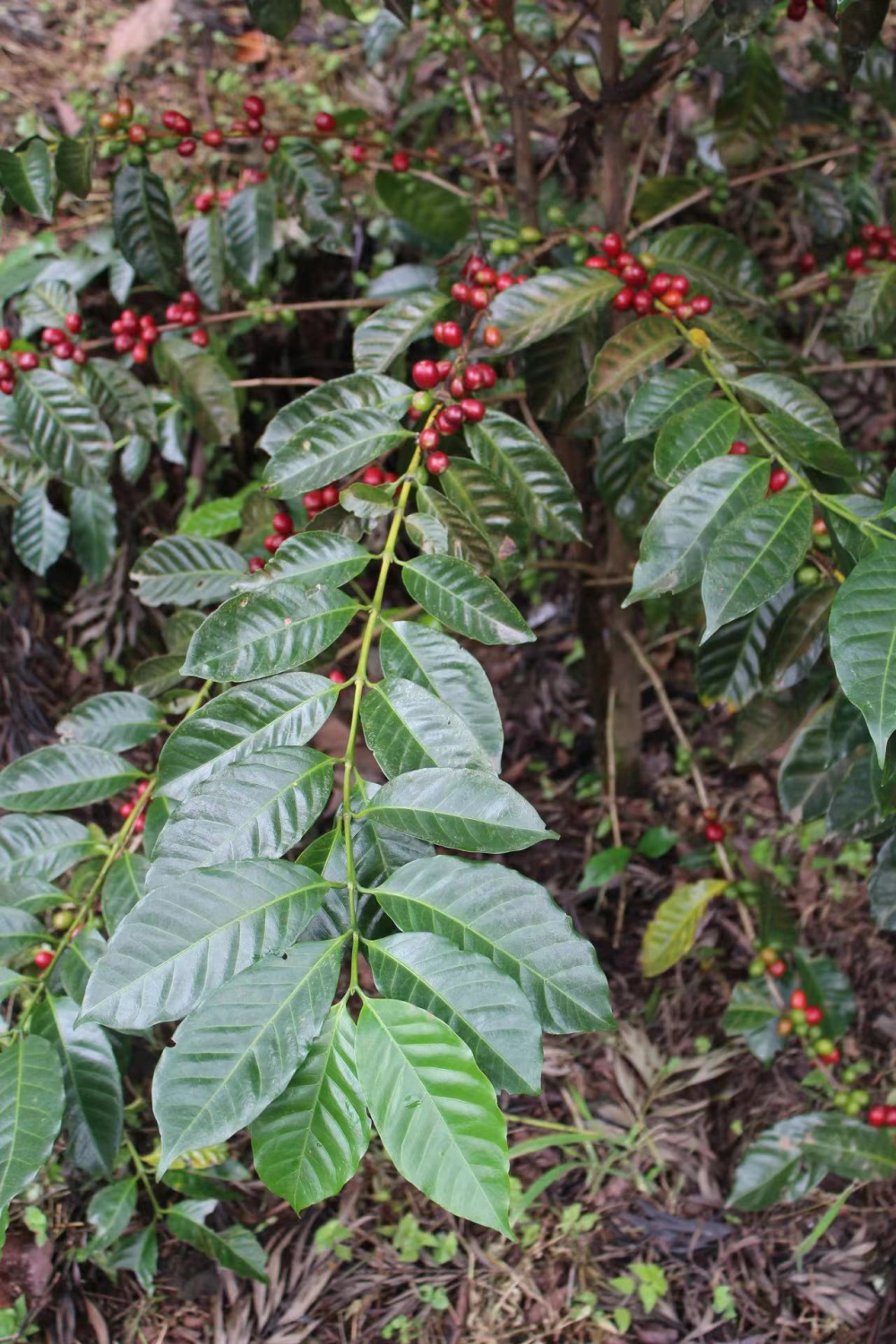
The above content is compiled by CoffeeHunters, a coffee news website.


