







Introduction:How are espresso beans different from regular brewing beans? This article delves into the roasting logic, blend ratios, and single-origin characteristics of espresso-specific beans, helping you understand why medium-dark to dark roasts are better suited for espresso. We also recommend several classic blends and single-origin beans, showcasing their flavor profiles to help you find the most suitable coffee based on your taste preferences.
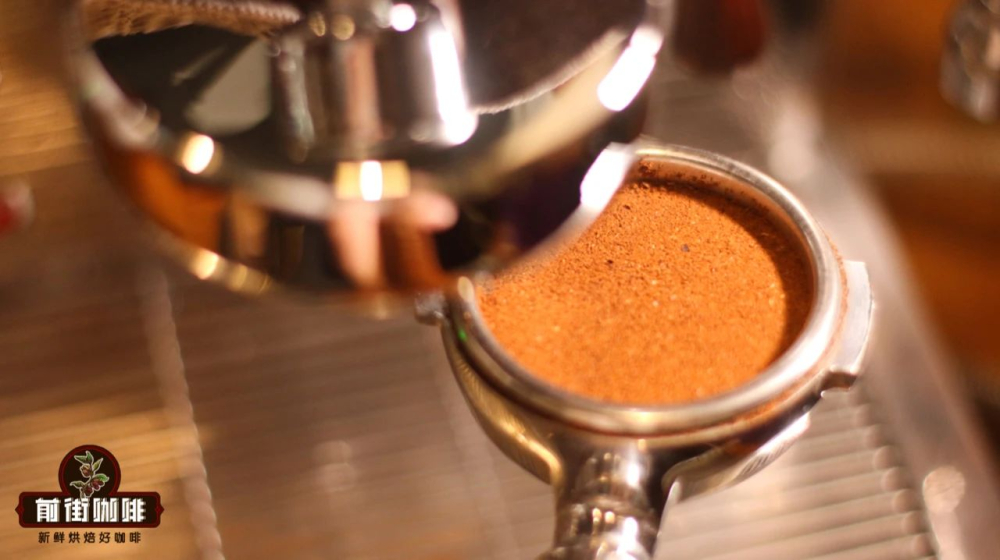
When selecting coffee beans, you’ll often see “espresso beans” categorized as a distinct type, which is closely tied to the extraction method of espresso machines. Using high-pressure extraction at nine atmospheres along with an extremely fine grind, the entire process takes just 25 to 30 seconds. This makes the roast level and blend composition of espresso beans vastly different from those used for pour over or other brewing methods.
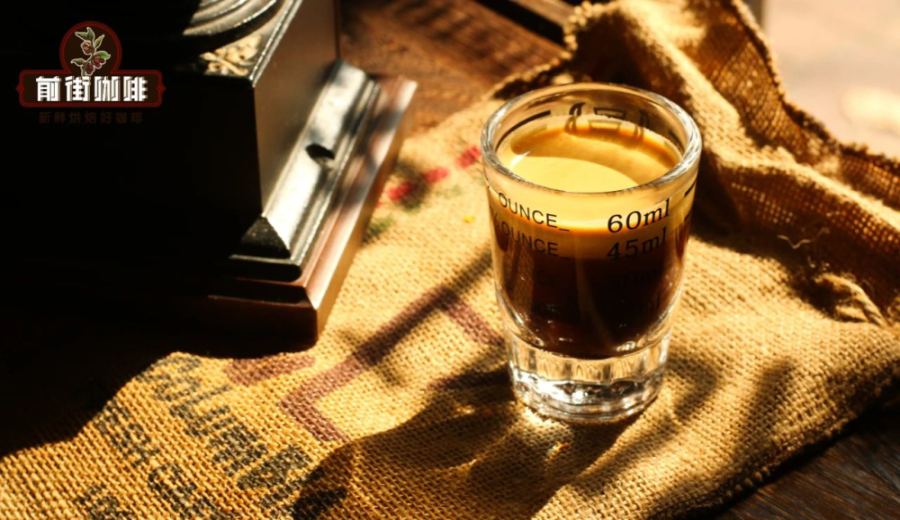
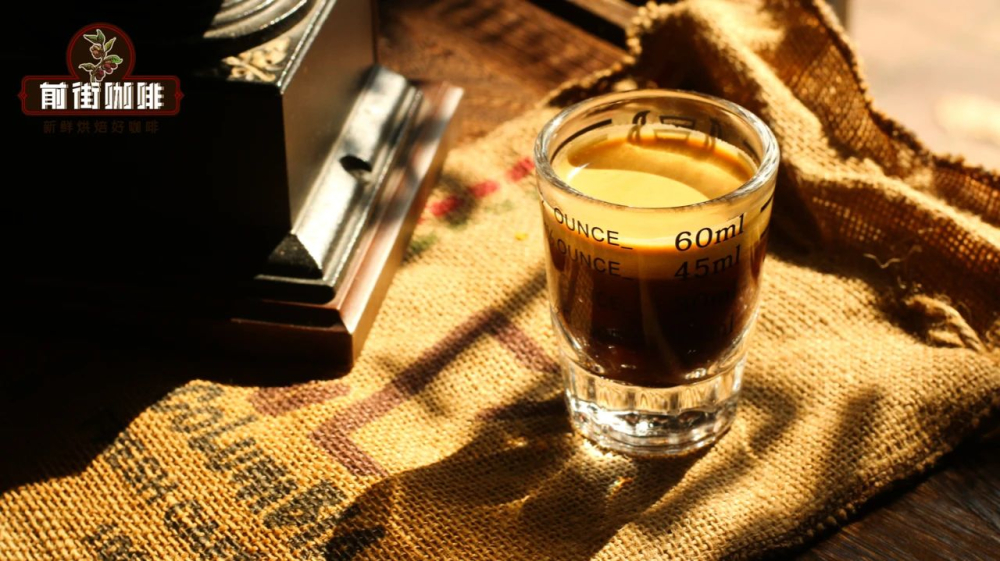
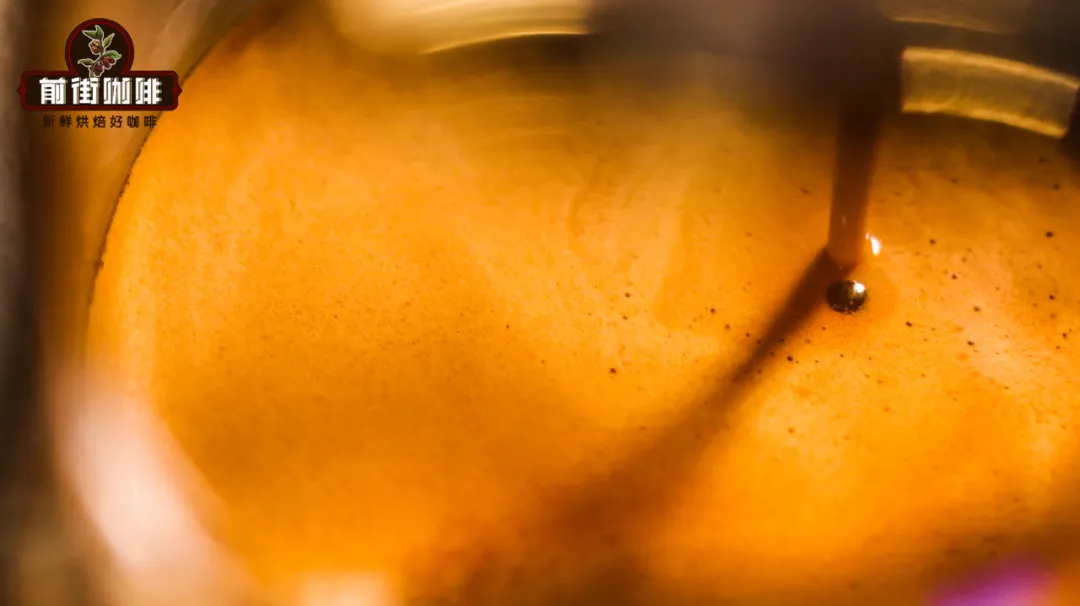
To fully release flavors within a short period while maintaining extraction stability, espresso beans are typically medium-dark to dark roasted. Too light a roast can lead to excessive acidity and astringency, while too dark may bring about burnt bitterness. Therefore, medium-dark roasting strikes the ideal balance between acidity, sweetness, bitterness, and body.These beans form a layer of golden, velvety crema after extraction, which is also one of the key indicators of a successful shot.
In addition to roast level, the choice of blends and single-origin beans greatly influences the final flavor. Blends are usually composed of 2 to 6 different origin or variety beans, aiming to combine the strengths of each to create a more complex and balanced flavor profile. When blending, attention must be paid to the proportioning to avoid a muddled flavor due to lack of hierarchy—typically, one base bean is used as the foundation, complemented by others to enhance specific aromas or texture layers.
In contrast, single-origin espresso beans can showcase the unique terroir characteristics of specific regions—for example, the common nutty and chocolatey tones of Brazilian beans, or the fruity and floral notes of Ethiopian beans. However, single-origin beans require higher precision in parameters and grind settings for espresso extraction, making them more suitable for advanced users.
Below are several representative blended and single-origin espresso beans along with their flavor characteristics:
1. Brazil–Indonesia–Vietnam Blend
This classic three-country blend is primarily medium-dark roasted, featuring rich crema. It delivers a pronounced caramel sweetness on the palate, accompanied by intense notes of nuts and dark chocolate. The finish is smooth and comforting, making it highly suitable for drinkers who prefer a bold and full-bodied taste.
2. Yunnan AA–Brazil Blend (Dark Chocolate Flavor)
This blend has a relatively balanced ratio, offering gentle fruit acidity and clear caramel sweetness. Its flavor profile leans toward dark chocolate and nuts, with an overall smooth and syrupy mouthfeel. However, its aroma complexity is relatively mild, making it suitable for everyday drinking.
3. Strawberry Candy Blend
Combining honey-processed Costa Rican beans and Ethiopian beans, with the addition of Colombian beans, this blend showcases sweet aromas such as strawberry candy, grapes, and roses. The flavor is fresh without being cloying, with low bitterness and a long-lasting aftertaste, making it ideal for those who prefer fruity profiles.
If you’d rather explore regional characteristics, single-origin espresso beans are also a great choice:
Brazilian Queen Estate SOE
This single-origin bean, medium-dark roasted, presents creamy peanut, nut, and chocolate notes, along with a hint of cane sugar sweetness. It has a soft acidity, making it suitable for drinkers who enjoy a steady, mellow richness.
Papua New Guinea Bird of Paradise SOE
Roasted to a medium-dark level, its flavor profile includes baked bread, nuts, citrus, and cocoa. It achieves a balanced acidity and sweetness, with both milky and creamy textures, making it suitable for milk-based drinks like lattes.
Costa Rica Mozart SOE
It offers multi-layered aromas of osmanthus, pineapple, orange, raisin, and nuts. The acidity and sweetness are bright and well-defined, catering to coffee lovers who seek fruity notes and complex flavor variations.
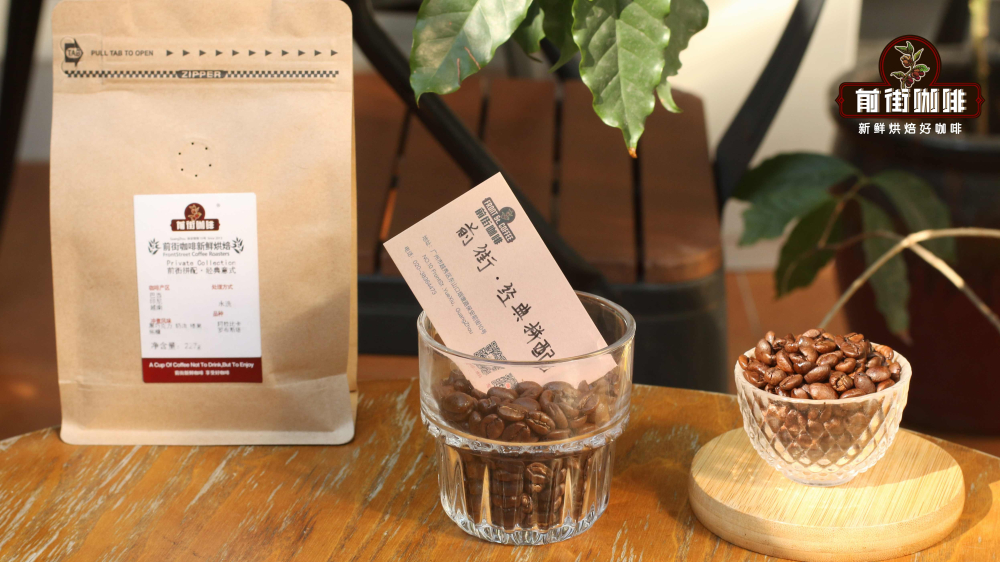
In summary, when choosing espresso beans, consider your personal taste preferences, brewing equipment, and extraction parameters holistically. Blends provide stable and rich flavor expressions, making them ideal for daily use; single-origin beans highlight regional characteristics, perfect for further exploring the diverse world of coffee. Regardless of your choice, the right roast level and precise extraction are key to crafting a great espresso.
The above content is compiled by CoffeeHunters, a coffee news website.


