








Introduction:Kenyan coffee is renowned for its bright acidity and rich fruity aromas, making it especially appealing to coffee lovers who enjoy a balanced sweet-and-sour profile. This article delves into the unique flavor origins of Kenya’s SL28 and SL34 varieties, analyzes the key steps of Kenya’s signature 72-hour washed processing method, and provides practical pour-over and moka pot brewing parameters and tips to help you fully unlock the potential of this high-altitude specialty bean.
With its vibrant juiciness and profound sweet-and-sour tones, Kenyan coffee has become the top choice for many acidity enthusiasts. Sourced from the Kiambu region and cultivated from the renowned local SL28 and SL34 varieties, these beans undergo Kenya’s distinctive 72-hour washed process, revealing layers of complex dark fruit flavors such as black plum and blackcurrant. These beans are not only ideal for appreciation via pour-over but can also showcase diverse flavor profiles through cold brew, moka pot, French press, or even electric drip machines.
 Coffee fans who love bright acidity often have a special fondness for the Kenyan region. This Kenyan coffee from the Kiambu region, produced using Kenya’s refined 72-hour washed method, preserves intense fruitiness and vibrant acidity while exhibiting the complex tones of blackberry and berries. Regardless of your preferred brewing method, this bean showcases its unique vibrancy and a clean, crisp finish.
The exceptional quality of Kenyan coffee stems from the close synergy between its varieties, terroir, and post-harvest processing techniques. The main planted varieties include SL28, SL34, K7, Ruiru11, and Batian, with SL28 and SL34 accounting for ninety percent of high-quality output. Developed by Scott Laboratories in the 1930s, these two varieties were bred to resist coffee berry disease while delivering outstanding cup quality. Part of the Bourbon family, the SL series exhibits highly recognizable bright acidity when grown in Kenya’s high-altitude environment.
Most Kenyan coffee farms are located at elevations between 1,400 and 2,000 meters, where the climate is cool and stable, with an average annual temperature of about 15–24°C. Coupled with well-drained red volcanic soils, these conditions provide the ideal environment for coffee cultivation. Especially in the highland areas surrounding Mount Kenya, fertile soils combined with moderate sunlight and rainfall have established the country’s outstanding reputation for Arabica coffee. Beans from the Kiambu region often feature rounded acidity and subtle grapefruit notes, leaving a lasting impression.
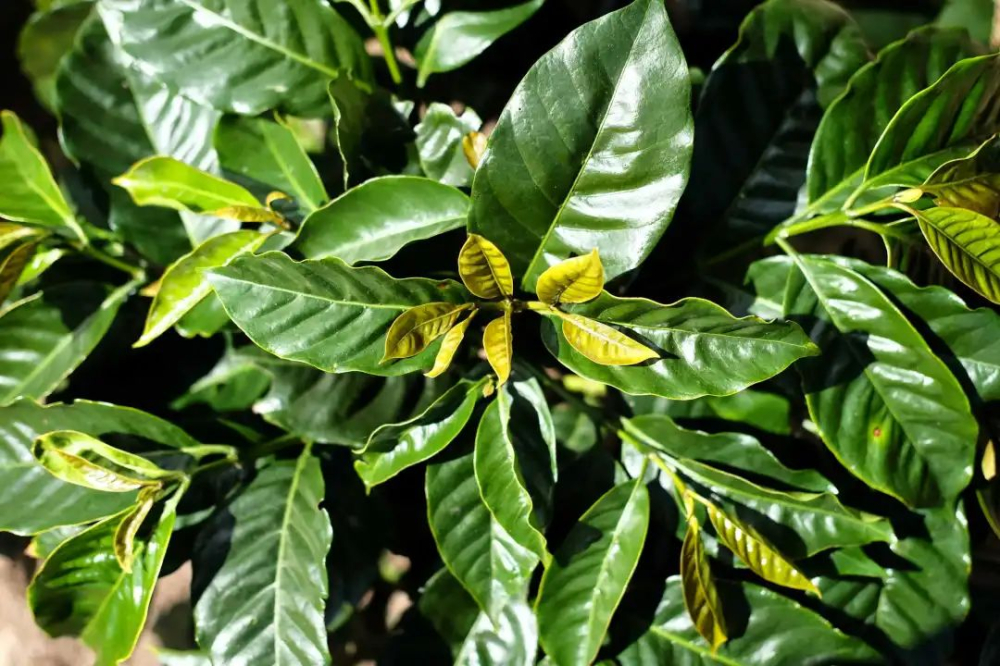 The so-called Kenya-style 72-hour washed process, also known as the K72 method, is a globally unique post-harvest technique pioneered by Kenya. Coffee cherries are harvested at peak ripeness when their sugar content reaches 21, then rigorously sorted to remove defects. With mucilage still intact, they are placed in water tanks for the first 24-hour fermentation, followed by washing and a second fermentation. This process is repeated three times for a total of 72 hours. Compared to traditional washed methods with fermentations under 36 hours, this lengthy, multi-wash process imparts Kenya coffee with delicate acidity and intense fruity characteristics. After fermentation, residual mucilage is completely removed, and the beans are sun-dried on raised beds, a process that typically takes 5 to 10 days depending on weather conditions.
Kenya’s green coffee grading system primarily categorizes beans by size and cupping score. Common grades include AA, AB, PB, C, E, TT, and T, with AA being the highest grade. These beans typically come from highlands above 2,000 meters, featuring plump, uniformly sized beans that not only facilitate even heat distribution during roasting but also more easily express rich floral-fruity aromas and clear sweet-and-sour structures. Kenya AA is regarded as one of the world’s top specialty coffees and is highly acclaimed in the international market.
This Kenyan coffee from a well-known brand is distinguished by its aroma of black berries and stone fruits. To preserve its rich fruitiness, the roaster opted for a light roast, resulting in dry fragrance notes of cherry tomato, black plum, and caramel. During cupping, the dominant flavors include dark stone fruits such as black plum, plum, and apricot, with bright and layered acidity.
For brewing recommendations, pour-over is the best method to highlight its acidity and nuanced details. As this bean is medium-light roasted and sourced from a high-altitude region, the beans are relatively hard. It is recommended to use a finer grind size and slightly higher water temperature, with a grind passing about 78% through a 20-mesh Chinese standard sieve, paired with a V60 filter to better showcase its layers. Use the three-pour method: first, place the ground coffee into the filter, pour 30 grams of water for a 30-second bloom, ensuring the water flow is fine and evenly spiraled from the center outward; next, pour 95 grams of water, and once most of the coffee has dripped through, add the final 100 grams. Total brew time should be around 2 minutes, allowing a margin of about 10 seconds.
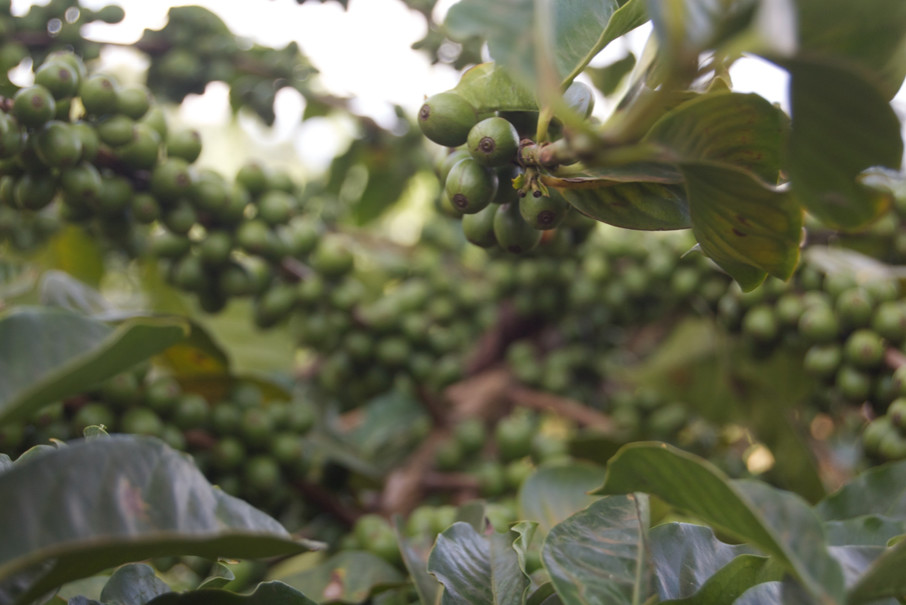 With the above technique, this Kenyan coffee reveals the bright acidity of black plum and blackcurrant, while the mid-range temperature brings out the mellow sweet-and-sour notes of apricot and stone fruits, with an aftertaste as smooth and comforting as black tea. Beyond pour-over, many coffee enthusiasts wonder if this bean can also be brewed with a moka pot—and the answer is yes, though some key details must be mastered.
When using a moka pot, it is recommended to prepare freshly roasted Kenyan coffee beans, purified water, a suitable grinder, a heat source (such as a gas or induction stove), and the moka pot itself. Since the moka pot is a pressure-based extraction method, its grind size needs to be finer than pour-over but slightly coarser than espresso. It is suggested to adjust an EK-43s grinder to a #3 to #3.5 setting, or refer to the gap between the grinding chamber and the filter basket to ensure the coffee grounds do not seep through. A grind that is too coarse may lead to under-extraction, weak flavor, or even splattering due to insufficient resistance; too fine a grind may cause excessive pressure and pose safety risks.
During operation, first fill the lower chamber of the moka pot with pure water, keeping the water level about 0.5 cm below the safety valve to prevent premature heating that could result in burnt, bitter flavors and to ensure safety. Then, add the ground coffee (for a three-cup Brikka pot, 18 grams is recommended) into the filter basket, leveling it gently without tamping—over-tamping can obstruct water flow and reduce extraction efficiency. After assembling the upper and lower chambers tightly, place the pot on the heat source and use low to medium heat. Once you hear a hissing sound, it indicates that extraction has begun; reduce the flame, and when about half of the coffee has flowed into the upper chamber, turn off the heat and let the remaining heat complete the final extraction.
 The resulting moka pot coffee delivers a bold taste of berries, pears, and blackcurrant with sweet-and-sour notes, accompanied by the aroma of roasted nuts and caramel. For a crisper taste, you can dilute it with hot water as desired; paired with milk, it can present a creamy, chocolatey mouthfeel.
Finally, remember to clean your moka pot immediately after each use to prevent coffee grounds and residual oils from clogging the filter plate, gasket, and extraction channels. Otherwise, it will not only affect future extraction quality but may also introduce burnt or off-flavors that compromise overall taste. Regular cleaning is key to maintaining both the performance of your moka pot and the flavor of your coffee.

The above content is compiled by CoffeeHunters, a coffee news website.


