








Introduction:The Villalobos variety grown in Costa Rica’s Central Valley, processed with red honey, highlights intense sweetness and bright fruity acidity. This article delves into the cultivation background, variety characteristics, and red honey processing details of the Finca Lote La Casa estate at 1500 meters altitude, while also providing practical V60 three-stage brewing parameters and flavor guidance to help you easily master the brewing essentials of this high-value specialty bean.
Costa Rica is not only renowned for its high-quality washed beans but has also gained attention in the specialty market for its innovative honey processing techniques, which reduce water consumption while imparting rich sweetness. This time, we’re introducing the red honey-processed Villalobos beans from Finca Lote La Casa at 1500 meters in the Central Valley, carefully selected and imported by a well-known coffee brand. These beans are ideal for coffee lovers who enjoy bright acidity and a syrupy finish.
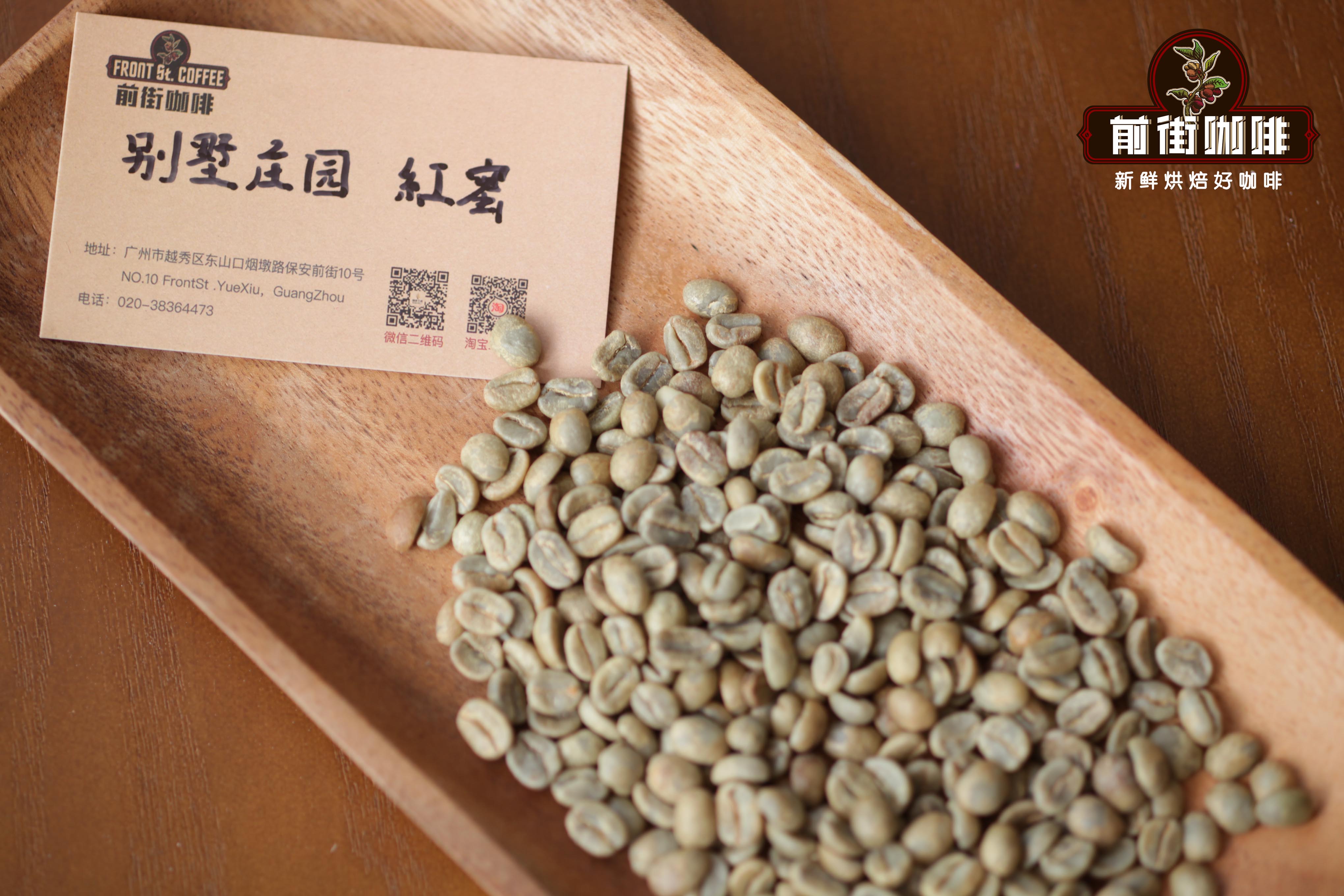
The Central Valley is an important coffee-growing region in Costa Rica, featuring a narrow, mountain-surrounded terrain with fertile volcanic soil. Its mild climate (around 15–30°C) is highly suitable for coffee cultivation. The altitude here generally ranges between 800 and 1500 meters, with higher altitudes typically yielding brighter acidity and more complex flavors. This coffee comes from Finca Lote La Casa, which translates to “Farm with Many Houses” in Spanish. It is jointly managed by Carlos and his wife. Since taking over the family-owned processing facility in 2000, they have accumulated extensive experience and are committed to cultivating diverse varieties, including Geisha, Villalobos, Typica, and SL-28. Carlos was the first producer in Costa Rica to introduce SL-28 and is passionate about sharing seeds to promote varietal diversity.
The variety used in these beans is Villalobos, a natural mutation of Bourbon. Unlike typical Bourbon, it features a shorter plant stature (characterized by “dwarfism” genes), making it similar to Pacas and Caturra. This variety was discovered in northwestern Alajuela Province, Costa Rica, between 1950 and 1960 and later refined through pedigree selection. Since it is not widely planted outside of Costa Rica, it can be considered a unique and high-quality variety native to the country.
In terms of processing, Finca Lote La Casa employs red honey processing, a method that retains more mucilage compared to other honey processes, enhancing sweetness and body. The estate has a dedicated harvesting team of 45 indigenous workers from Panama who come specifically during harvest season to handpick ripe red cherries. Notably, estate owner Don Carlos and his wife place great emphasis on quality—there is no flotation tank, and only perfectly ripe cherries with a bull’s blood red hue are selected. All personnel are required to remove their shoes or wear shoe covers before entering the drying area to ensure hygiene. The pulping and receiving stations at the processing facility are maintained to high cleanliness standards, almost like new equipment.
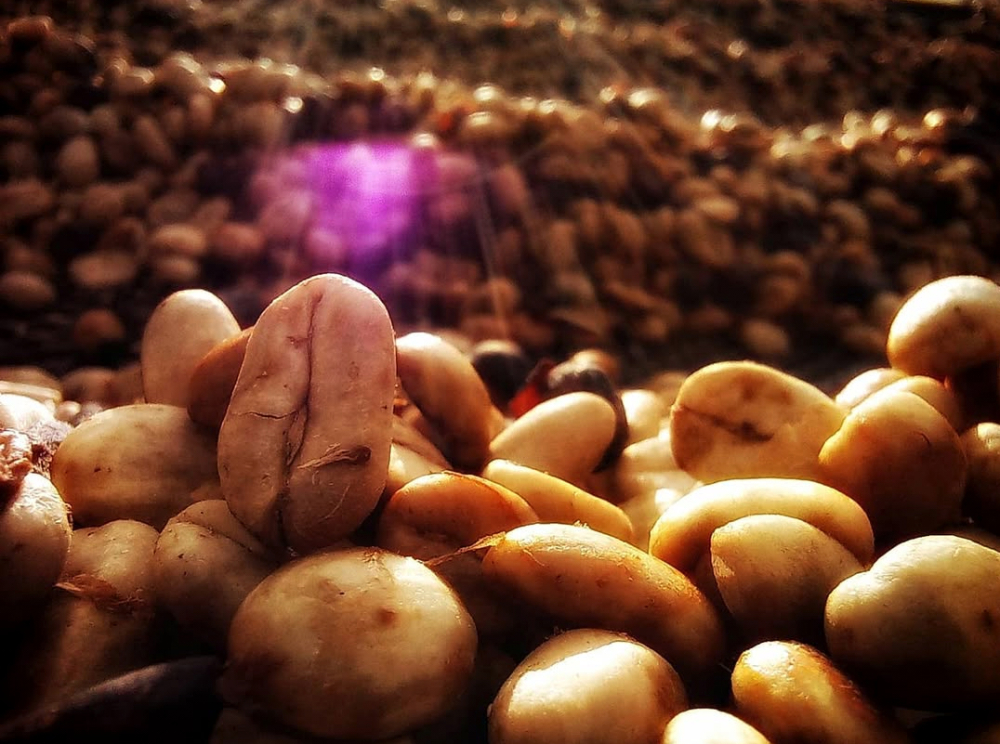
During red honey processing,70% of the mucilage layeris retained, after which the beans are sun-dried under shaded drying beds for approximately12 days. Throughout this period, moisture content and fermentation levels are continuously monitored to ensure optimal conditions before storage. This technique not only reduces water usage but also imparts richer fruit and sugar notes to the coffee.
Roasters from a well-known coffee brand recommend usingmedium-light roastingto fully highlight the sweetness and pleasant acidity of red honey-processed beans. By extending the development phase slightly, the sweetness becomes rounder while preserving bright citrus notes, making it ideal for those who prefer balanced flavors.
For brewing, the V60 filter cone is recommended. The following parameters can help you consistently extract the essence of this bean:
Filter cone: V60#01
Water temperature: 90–91°C
Coffee dosage: 15g
Coffee-to-water ratio: 1:15
Grind size: Medium-fine (approximately 80% passing through a Chinese standard No. 20 sieve)
Recommended brewing technique: Use a three-stage pour. Start with a 30-second bloom using 30g of water, then pour in a circular motion with a slow stream until reaching 125g for the first pour. When the water level drops and is about to expose the coffee bed, pour again to reach 225g, then stop. Wait until the water level nears the coffee bed again before removing the filter. The total brew time should be controlled at2 minutes exactlyto fully showcase the bean’s layered flavors and sweetness.
In cupping, this Villalobos red honey bean typically exhibits bright lemon acidity, honey-like sweetness, and a syrupy finish with subtle berry notes. It’s perfect for coffee lovers who enjoy a balance of fruity and sweet profiles. Whether for a morning pick-me-up or an afternoon treat, it delivers a delightful drinking experience.
The above content is compiled by CoffeeHunters, a coffee news website.


