








Introduction:Have you ever hesitated between an iced Americano or a hot one? Though both are simply espresso diluted with water, temperature actually has a huge impact on a coffee’s aroma, acidity, and overall flavor profile. In this article, through experimental comparison using the Sunflower Sunshine Blend coffee beans, we brewed using cold water, room temperature water, and 88°C hot water to deeply analyze how different temperatures affect the aroma, flavor, and mouthfeel of an Americano. We also provide detailed brewing ratios and key techniques to help you find your perfect cup.
Choosing an Americano is like the debate over whether tofu pudding should be sweet or savory—it always feels like a dilemma. Is it better to drink it iced or hot? Many think it’s just espresso with water added, so how much can temperature really matter? But in reality, temperature affects not just comfort—it directly influences aroma release, acidity expression, and overall flavor balance.
This article will take you through a deep comparison of iced, room temperature, and hot Americanos. We’ll explore not only sensory aspects but also offer practical brewing and mixing parameters, helping you make the most suitable choice based on different scenarios and taste preferences.
Speaking of the Americano, its origins can actually be traced back to World War II. At that time, American soldiers stationed in Europe found the high concentration and intense flavor of espresso hard to accept, so they diluted it with water—creating the prototype of the Americano. As Italian-style coffee culture spread to the United States, this espresso-based mixed drink gradually became popular, evolving into what we’re familiar with today.
It’s worth noting that traditionally, the process of “pouring coffee first and then adding water” symbolized diluting the espresso, but modern brewing methods have become more flexible. The key now lies in whether the crema (the coffee’s oily layer) is preserved, as this affects the overall flavor expression and mouthfeel layers.
This experiment used the “Sunflower Sunshine Blend” coffee beans, a blend of sherry coffee beans and Yirgacheffe Red Cherry beans in a 7:3 ratio. Brewing was done using a Faema E78 coffee machine and a Faema 900N grinder, with the grind setting at 1.9. The double shot espresso extraction parameters were: 20g of coffee grounds, yielding 35g of espresso, extracted over 27 seconds. Under these parameters, the coffee exhibited flavors of whiskey, milk chocolate, and vanilla cream, with a soft acidity and a caramel-like finish, delivering a rich and layered body.
All three types of Americanos were made using this espresso as the base, mixed respectively with an ice-water mixture, room temperature water, and 88°C hot water. The ratio of espresso to water was consistently maintained at 1:6 (i.e., 1 gram of espresso liquid to 6 grams of water), ensuring a fair and reference-worthy comparison.
[Iced Americano Brewing Method] First, prepare 110g of ice cubes and 100g of room temperature water, mix them into an ice-water solution, then pour in the 35g of extracted espresso. Since the ice cubes will slowly melt, it is recommended to gently stir before drinking to evenly distribute the flavors. This method preserves the coffee’s fresh acidity and is ideal for summer or when you desire a refreshing taste.
[Room Temperature Americano Brewing Method] This method is simpler—just pour the 35g of espresso directly into a cup, then add 210g of room temperature water. This approach maintains the integrity of the crema, allowing the smooth vanilla cream-like mouthfeel and the nutty, caramel aftertaste to shine more prominently. It’s suitable for most everyday occasions.
[Hot Americano Brewing Method] Similarly, start by pouring the 35g of espresso, then add 210g of water heated to around 88°C. Be careful not to exceed 90°C, as higher temperatures may release excessive bitter and burnt compounds, disrupting the overall flavor balance. Hot Americanos are perfect for early mornings or when you need a pick-me-up, letting you experience the flavor transition from high temperature to cooling down.
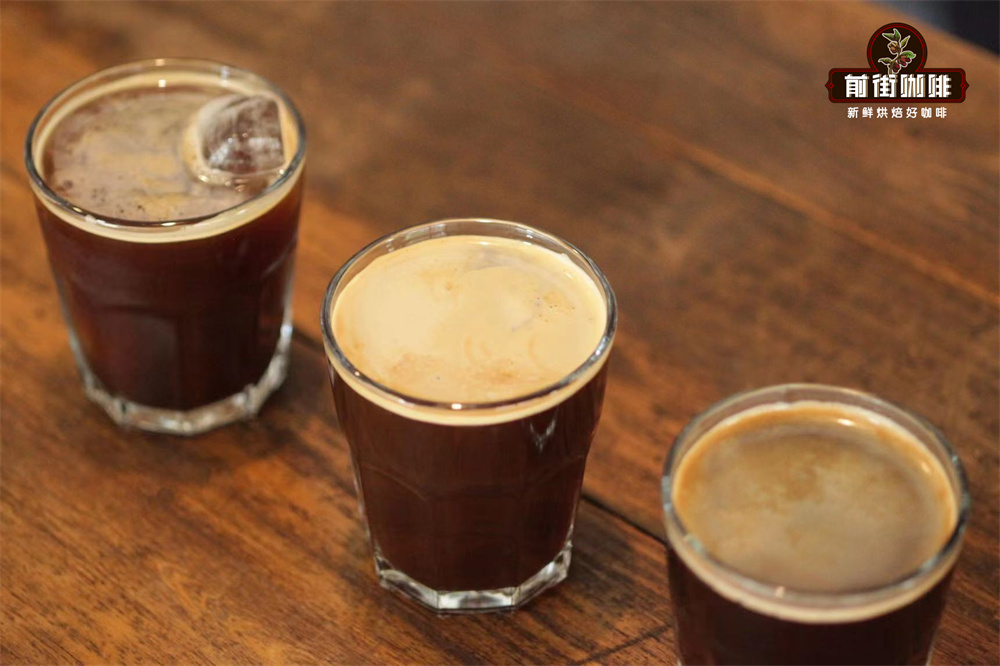
Practical tasting comparisons revealed that the hot Americano showcased the most vibrant whiskey aroma, with less noticeable acidity, but outstanding hazelnut and caramel notes. Its texture was rich and layered. The room temperature Americano, while not as aromatic as the hot version, had a softer and smoother acidity, with the crema intact, delivering a velvety vanilla cream-like feel and nutty aftertaste. The iced Americano, on the other hand, stood out with the most pronounced acidity—offering whiskey notes, berry-like tartness, and a hazelnut chocolate finish, all wrapped in a refreshing and lively profile.
It’s worth noting that human taste perception varies with temperature. Higher temperatures trigger the release of more aroma molecules, allowing a fuller range of aromas and transitional layers to be perceived. Lower temperatures, meanwhile, suppress sweetness and bitterness, highlighting acidity and freshness. Therefore, choosing iced or hot actually reflects which facet of the coffee’s flavor you wish to experience at that moment.
In summary, if you prefer a refreshing acidity and a quick energy boost, the iced Americano is a great choice. If you enjoy a smooth, rich texture and appreciate layered aromas, the hot Americano is more satisfying. For most everyday situations, the room temperature Americano offers balanced and easy-to-drink qualities. With these basic principles and brewing details in mind, you can tailor your perfect cup of Americano to match your mood and occasion.
The above content is compiled by CoffeeHunters, a coffee news website.


