







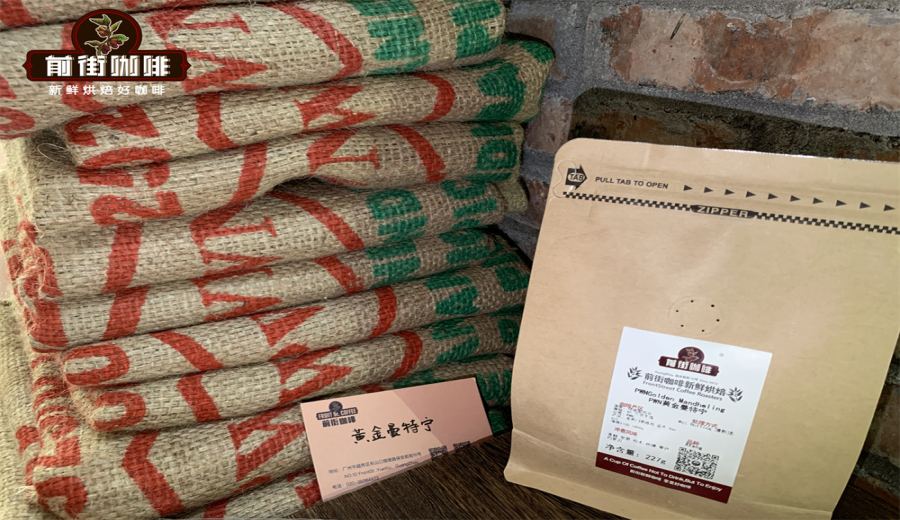
Introduction:Delve into the varietal evolution behind Indonesian Mandheling coffee—from the early Dutch-introduced Typica to today’s dominant Ateng (i.e., Catimor) and Tim Tim. Discover how Sumatra’s wet-hulling process shapes its distinctive spicy and herbal aromas. This article also provides the historical background of Golden Mandheling, its quality characteristics, along with expert pour-over recommendations and extraction parameters to help you fully grasp the essence of this classic, bold coffee.
Mandheling coffee is a classic favorite among many coffee enthusiasts, but did you know that the Ateng variety used in PWN’s “Golden Mandheling” is actually Indonesia’s colloquial term for Catimor? This article will start with the historical background of coffee cultivation in Indonesia, analyzing how Typica was gradually replaced by more disease-resistant Ateng and Tim Tim due to pests, diseases, and market demands. We’ll also explore how Sumatra’s unique wet-hulling process imparts Mandheling’s rich herbal and spicy notes. Additionally, we’ll introduce Golden Mandheling’s deep connection to the Japanese market, along with professional pour-over advice and parameter settings to help you master both its flavor and brewing.
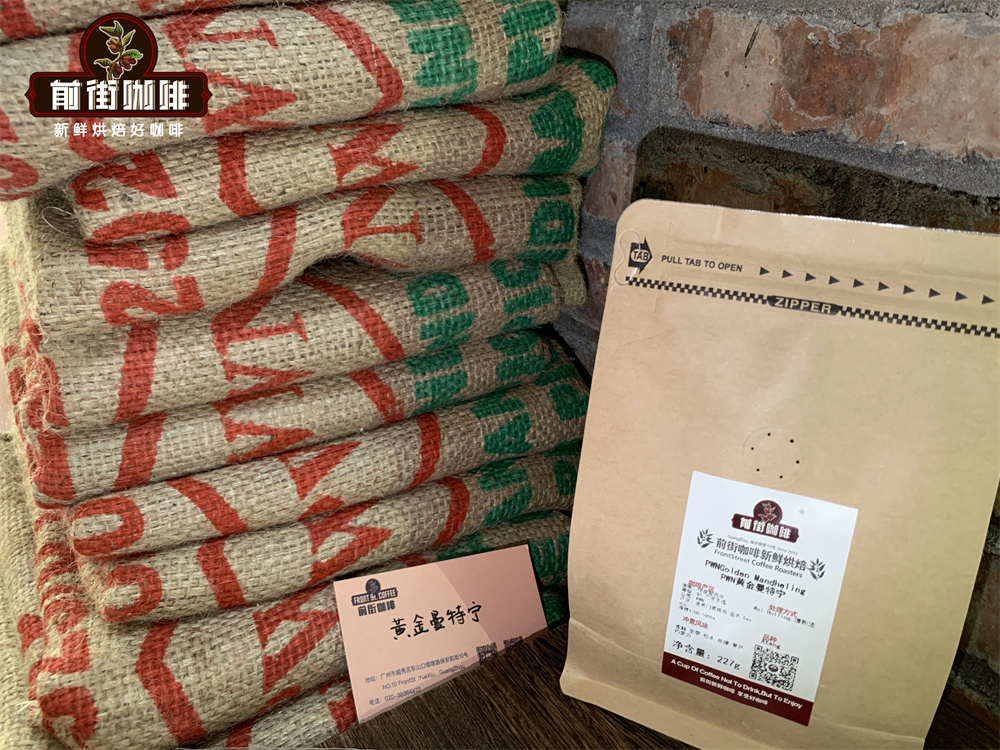
Currently, the Mandheling variety labeled by PWN is Ateng, which is the local Indonesian term for Catimor. Looking back in history, Indonesia first introduced Typica in the late 17th century through the Dutch, with these seedlings initially planted on Java Island, locally known as Bergendal or Sidikalang. However, the leaf rust disease outbreak in 1869 led to the death of large numbers of Typica plants, forcing Indonesia to seek alternative varieties.
To revive the coffee industry, Indonesia first introduced the more disease-resistant Robusta, which remains one of the main varieties there to this day. At the same time, to maintain yield in harsh environments, various disease-resistant hybrid varieties were introduced, including Tim Tim, Bor Bor, and the Catimor series Ateng. These varieties not only boast strong disease resistance and stable yields but also developed intense cedar and herbal flavors in Sumatra’s unique climate and soil, gradually replacing Typica to become the dominant planting variety in the Sumatra region, accounting for about 70%.
For example, a certain brand’s Indonesian Lintong Mandheling everyday bean is a blend of Tim Tim and Ateng, processed using the wet-hulling method. It features a strong bitter aroma, weak acidity, yet is full of herbal and spicy notes, with a bold and solid mouthfeel—making it a typical representative of Sumatra’s terroir.
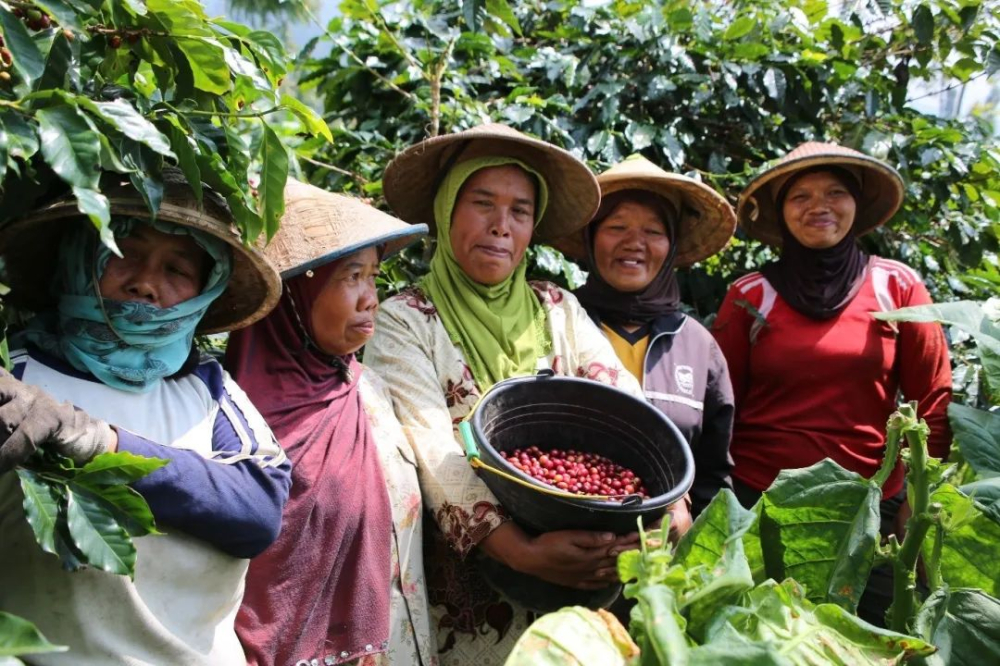
Indonesia has high humidity year-round, ranging between 70% to 90%. Traditional washed processing is prone to mold due to the damp environment. As a result, a unique semi-washed processing method—wet-hulling—was developed locally. This method is similar to washed processing in the initial stage: first removing the pulp, fermenting for about 3 hours to remove the mucilage, then rinsing with clean water, followed by preliminary drying with parchment for 2 to 3 days until the moisture content drops to 20% to 24%. When the beans reach a semi-hard state, the hulling (removal of the parchment) is performed, and drying continues until the moisture content reaches 13% before packaging.
It’s worth noting that during the hulling process, due to high machine friction, the beans often get damaged at the ends, forming what’s called “elephant ear beans.” The loss of the protective layer causes the beans to dry quickly in a humid environment and makes them susceptible to microbial influence, creating the unique woody, herbal, and spicy “regional taste” of Indonesian coffee. This processing method not only shortens processing time but also reduces acidity and increases body. After roasting, it often exhibits complex aromas of dark chocolate, nuts, and caramel, especially favored by Japanese consumers who prefer dark roasts.
The birth of Golden Mandheling has subtle ties to World War II history. At the time, Indonesia was still a Dutch colony. In 1942, Japan invaded Sumatra, and the stationed Japanese soldiers encountered Mandheling coffee processed with the wet-hulling method. They were amazed by its flavor and became devoted fans. Legend has it that a Japanese soldier, after tasting a strong cup of coffee at a local café, asked the shop owner for its name. Due to the language barrier, the owner misunderstood and thought he was asking about the origin, replying “Mandailing,” which was later mistakenly spread as “Mandheling.”
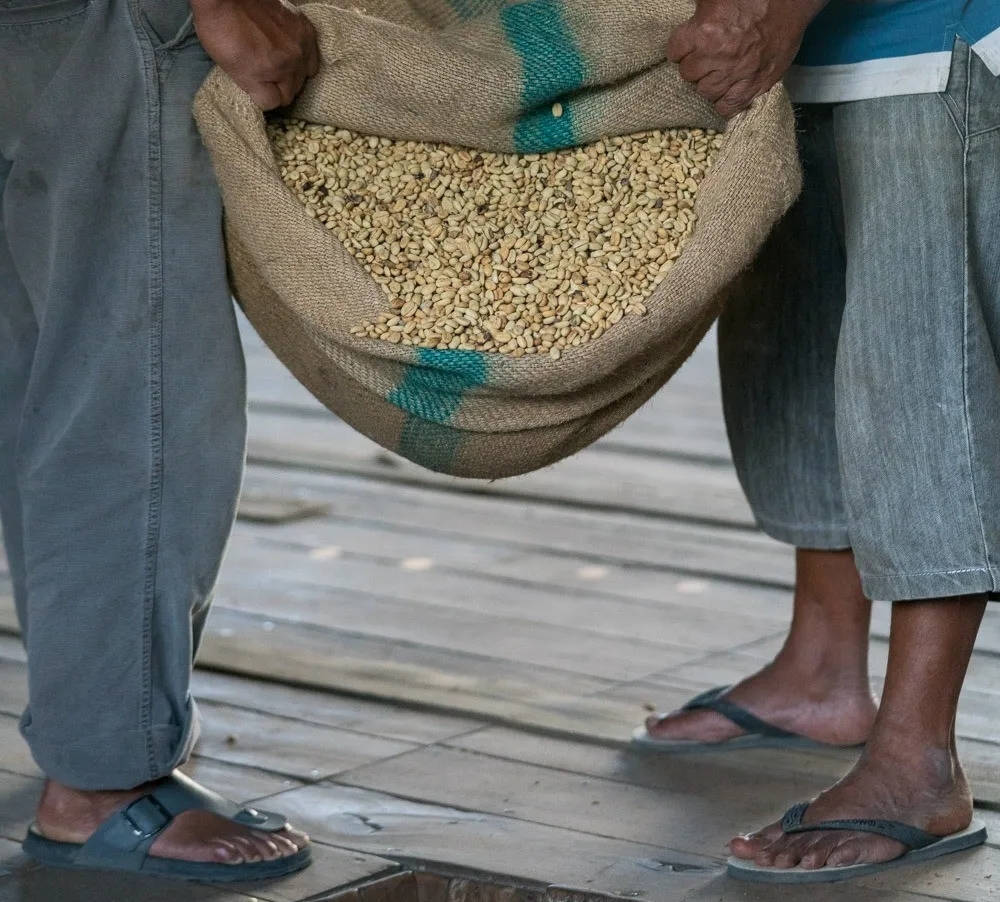
After the war, the soldier commissioned an Indonesian coffee broker to bring back 15 tons of the Mandheling he remembered to Japan, and it unexpectedly received great acclaim. That broker later founded the PWN Coffee Company (PWN), focusing on purchasing and carefully selecting high-quality Mandheling green beans from Sumatra to create a premium-grade “Golden Mandheling.” PWN is extremely strict about green bean quality, screening them based on density, shape, color, and specifications. Each bean must undergo one machine sort and four manual hand sorts to ensure no defects, large and uniform size, reduced impurities and grassy flavors. Hence, there’s a rumor that under sunlight, they exhibit a golden luster, hence the name.
PWN even registered “Golden Mandheling” as an exclusive trademark before Japan, so only PWN-produced beans can be called authentic Golden Mandheling. Similar products from other regions are mostly sold under names like “Dingshang Mandheling.” Consumers can identify genuine products through the PWN logo on the green bean sack and official origin certification.
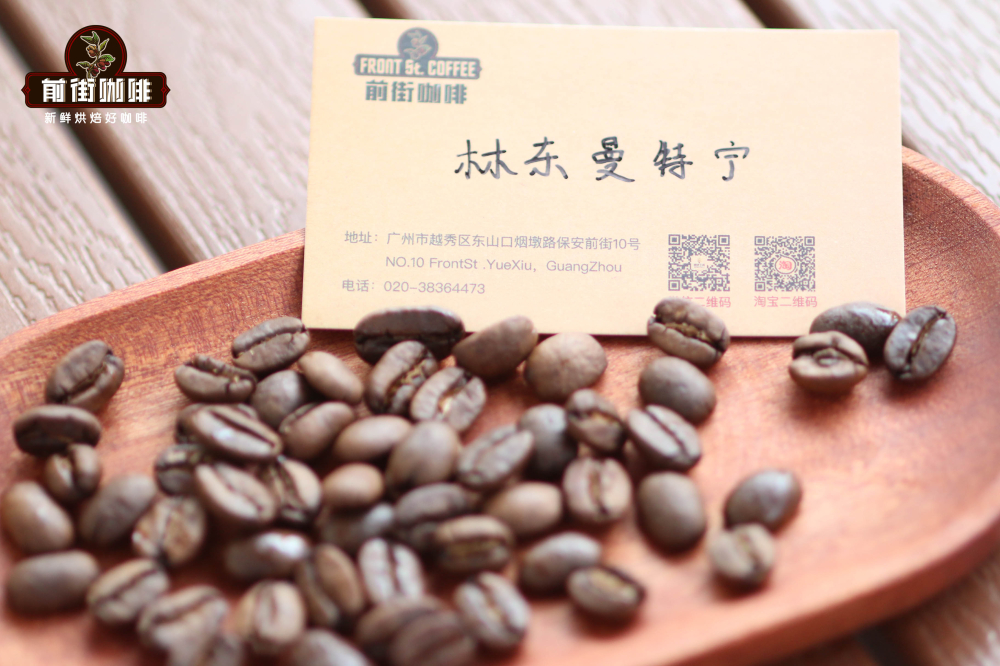
If you’re new to coffee, you may want to start with an Indonesian Lintong Mandheling everyday bean to experience the foundational flavors of Sumatra coffee. But if you’re a seasoned coffee enthusiast, PWN Golden Mandheling is definitely worth trying. This coffee is ideal for savoring via pour-over, and the KONO filter is particularly recommended. Its unique design extends the contact time between water and coffee grounds, improving extraction efficiency and resulting in a richer, fuller mouthfeel.
The recommended dosage is 15 grams, suitable for a 1–2 person capacity filter. The coffee-to-water ratio can be set at 1:15 (range 1:13 to 1:17 is acceptable, adjusted to personal taste). The grind size is suggested to be roughly 70% passing rate through a Chinese No. 20 standard sieve, equivalent to a medium-fine grind suitable for medium-dark roasts.
Specific pour-over parameters are as follows: Use the KONO filter, with water temperature around 87°C, employing a three-stage extraction. First, wet the filter paper and add the coffee grounds, gently leveling them. The first stage involves pouring 30 grams of hot water for a 30-second bloom, during which you can observe the dark roast beans expanding into a dome. The second stage steadily pours up to a total of 125 grams, and when the liquid level drops halfway, the third stage adds another 100 grams. Maintain a fine and steady water flow throughout to avoid over-extraction or unevenness. Once all the coffee liquid has dripped through, remove the filter and gently swirl before enjoying.
Note that the above parameters are suitable for freshly roasted coffee beans. It’s recommended to use beans roasted within 5 days for optimal flavor performance.
Freshly brewed PWN Golden Mandheling offers a solid mouthfeel, with distinct notes of cedar, spices, dark chocolate, and roasted hazelnuts. The aftertaste is clean and long-lasting, with a hint of caramel sweetness upon closer sipping. The overall flavor profile is rich and layered, making it a classic representation of Sumatra coffee.
The above content is compiled by CoffeeHunters, a coffee news website.


