







Introduction:Have you ever tasted a natural caramel-like sweetness in your coffee but weren’t sure where it came from? In fact, this captivating flavor is the result of a delicate interplay between the growing environment, fruit ripeness, and roasting techniques. This article will delve into how caramel flavors are formed, introduce the unique regional conditions, strict grading system, and classic processing methods of Hawaiian Kona coffee, and recommend two coffee beans suitable for home brewing that highlight caramel sweetness—helping you master this enchanting flavor from bean selection to brewing.
The memorable caramel sweetness in coffee doesn’t come from added sugar or artificial sweeteners, but rather from a combination of the growing environment, the maturity stage of the coffee cherry, and the caramelization of sugars during roasting. To understand how a cup of coffee can naturally exude rich caramel aroma and sweetness, one must explore everything from the origin and processing method to the roast profile.
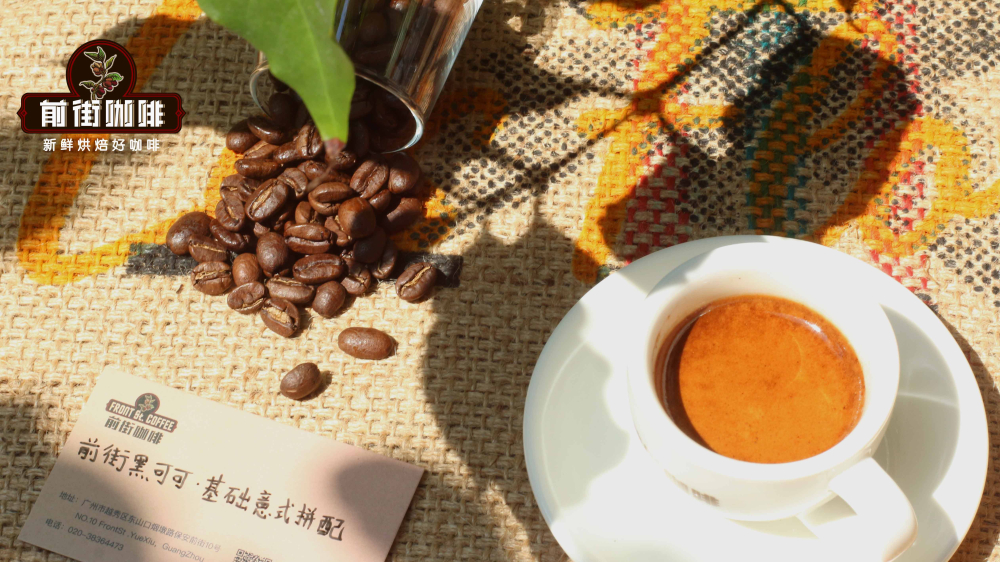
Among the many coffees that can showcase caramel flavors, there is a dark cocoa blend that many baristas recommend for home use with a moka pot. This blend combines Yunnan small-seed variety with Brazilian Red Bourbon, roasted to a medium-dark level, featuring prominent notes of nuts and dark cocoa, with a smooth and refined crema. Whether making Americano or latte, you can clearly perceive that gentle and long-lasting caramel sweetness—perfect for beginners in pour over or equipment brewing.
If you prefer a richer and more robust mouthfeel, a certain brand’s PWN Golden Mandheling SOE is also a great choice. This premium coffee from Indonesia undergoes multiple hand-picking and machine sorting processes, resulting in uniformly sized beans and stable quality. After medium-dark roasting, it releases intense aromas of spices, cedar, and dark chocolate, along with a distinct caramel sweetness—especially when brewed with a moka pot, it offers a bold body and excellent crema performance, making it ideal for those who don’t enjoy pronounced acidity.
The expression of caramel flavor is actually the accumulation of a series of intricate processes. First, coffee-growing soil rich in potassium with balanced pH helps the plant absorb nutrients, thereby influencing sugar accumulation in the fruit. Second, harvesting should be done when the coffee cherries reach peak ripeness, at which point the natural sugars in the pulp have fully transformed and penetrated into the bean. Additionally, common semi-washed or honey processing methods, by retaining part of the mucilage layer, promote sugar fermentation and accumulation during drying, further enhancing sweetness. Finally, the medium-level caramelization reaction during roasting converts the sugars in the beans into caramel compounds, imparting a rich and lingering caramel aroma and sweetness to the coffee.
And when it comes to coffee that naturally exudes caramel sweetness, one must mention Kona coffee from the U.S. state of Hawaii. This globally renowned specialty coffee is produced exclusively in the Hualalai Mountains of Hawaii Island—the only coffee-growing region in the United States. Kona coffee farms are mostly located on the hills of Waiʻanae Uplands, at an elevation of about 1,800 to 2,000 feet. The area enjoys a mild climate, abundant sunshine, moderate rainfall, and no frost threats, providing nearly ideal growing conditions for Arabica coffee and contributing to Kona coffee’s distinctive flavor profile.
Authentic Kona coffee is classified into three grades based on quality: Extra Fancy, Fancy, and Number One. These grades can all be produced under natural farm conditions. However, many coffee products on the market labeled as “Kona” often contain less than 5% actual Hawaiian Kona—shoppers should pay close attention. Notably, despite frequent tornado weather challenges, Kona coffee maintains high yield and consistent flavor quality, thanks to the local microclimate and meticulous farming management.
A certain brand’s Kona coffee combines washed and natural drying processing methods, resulting in its unique flavor profile. The beans are uniformly shaped, and cupping reveals distinct notes of malt, mulberry, and caramel sweetness, with a soft acidity, smooth mouthfeel, and well-defined layers. The washed process gives it a clean and bright base, while the natural drying process further highlights fruity and sweet notes, resulting in a more rounded and complex overall flavor—making it a must-try for coffee lovers who appreciate a balance of caramel sweetness and fruity notes.
The above content is compiled by CoffeeHunters, a coffee news website.


