







Introduction:Espresso is the soul of Italian coffee, but did you know? Just by adjusting the extraction volume and time, you can create three distinctly different types: Ristretto, Normale, and Lungo. This article delves into the characteristics, coffee-to-water ratios, and extraction essentials of these three espresso styles, and shows you how to adjust grind size, water temperature, and pressure to pull a balanced and aromatic espresso. Whether you’re a beginner or a coffee enthusiast, you’ll find practical brewing inspiration here.
Espresso is the cornerstone of Italian coffee—not only serving as the base for many classic drinks, but also renowned for its intense flavor and delicate crema layer. This coffee, extracted under high pressure and high temperature in an extremely short time, is most notably characterized by the golden, fine, velvety crema on its surface. Yet even this small cup of espresso can be divided into Ristretto, Normale, and Lungo—three vastly different styles—through slight adjustments to extraction parameters, each showcasing unique concentration levels, flavor layers, and mouthfeel.
For many coffee lovers, espresso often brings to mind an intense, stimulating, and even slightly bitter impression. But in reality, with the right extraction conditions, this small-volume coffee can reveal a rich array of fruity notes, caramel sweetness, and a full-bodied aftertaste. This article starts with the basic definition, takes you through the characteristics and differences of the three main espresso types, and further analyzes the key parameters affecting extraction results—including dose, grind fineness, water temperature, pressure, and extraction time—to help you better master this seemingly simple yet highly nuanced craft.
When it comes to espresso, many people might immediately picture a pitch-black, intense drink with a strong bitter taste. In fact, for professional baristas, adjusting espresso extraction conditions is one of the most core aspects of daily work, as many popular Italian-style coffees—including lattes, cappuccinos, and Flat Whites—are based on it. So, what exactly is espresso? What are the unique characteristics of Ristretto, Normale, and Lungo?
According to the standard definition of Italian coffee, espresso is produced by placing extremely finely ground coffee powder in a filter basket and extracting it using a professional espresso machine under high pressure (typically around 9 bar) and high temperature (approximately 90–96°C) in an extremely short time (usually 25–30 seconds). An ideal espresso not only requires control over the coffee-to-water ratio, but must also balance extraction time, flow rate, and pressure to form a complete flavor profile that includes aroma, sweet-acid balance, and body.
What distinctly sets espresso apart from other brewing methods is the captivating crema on its surface. This golden, fine foam is formed by the release of carbon dioxide from the coffee beans under high pressure, emulsifying with oils and proteins in the water. Crema is not only an important indicator of the freshness of espresso, but also directly affects the release of aroma and the overall richness of mouthfeel.

In the world of Italian coffee, based on extraction volume, espresso can be divided into three main types: Ristretto (short shot), Normale (standard), and Lungo (long shot). These three brewing methods may use similar equipment and principles, but by adjusting the extraction volume and time, they deliver distinctly different flavor profiles and concentration levels.
Ristretto (Short Shot), meaning “restricted” or “limited” in Italian, is a type of espresso that extracts only the first, shorter part. The common espresso coffee-to-water ratio is 1:2 (e.g., 20g of coffee grounds yielding 40g of liquid), whereas Ristretto typically extracts only the first half—for example, 20g of coffee grounds yielding just 25–28g of liquid, with a coffee-to-water ratio of about 1:1.2 to 1:1.4, and a shorter extraction time. Since it extracts only the very front, high-concentration portion, Ristretto usually has a more concentrated flavor, a more pronounced sweetness, and lower bitterness, often serving as the base for lighter milk drinks like Flat White. To further intensify the shot, you might consider using a finer grind to slow the flow rate, thereby increasing concentration and complexity.
Normale (Standard), or what we generally refer to as standard espresso, is the most common and widely accepted form of espresso. According to the Golden Cup standard, the extraction yield of Normale is typically controlled between 18% and 22%, with a concentration range of 8% to 12%, and a coffee-to-water ratio of 1:2. Using a common recipe as an example, 20g of coffee grounds yield 40g of liquid in about 25–30 seconds, producing a balanced sweet-sour-bitter profile and a rich mouthfeel structure—suitable for those who enjoy a strong yet not overly intense flavor.
Lungo (Long Shot), meaning “long” or “extended” in Italian, in contrast to Normale, achieves a lower concentration by extending the extraction time and increasing the extraction volume. The coffee-to-water ratio for Lungo is usually 1:3 to 1:5, or even higher—for instance, using 20g of coffee grounds to yield 100g of liquid, with extraction time potentially extended to 40–45 seconds. This method extracts more large molecules and impurities, resulting in a generally lighter flavor, more pronounced acidity, reduced bitterness, and is suitable for those who prefer a cleaner taste or wish to reduce caffeine intake. It’s worth noting that excessively prolonging the extraction time may lead to over-extraction, causing unpleasant woody or astringent notes in the coffee, so it’s advisable to carefully control water temperature and grind size.
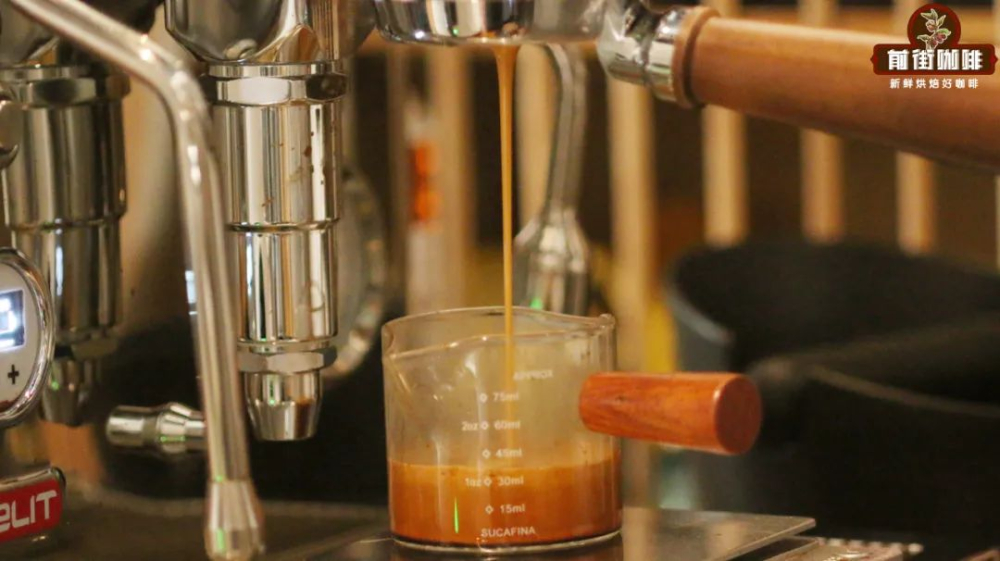
To pull a high-quality espresso, in addition to mastering the coffee-to-water ratio and extraction time, there are several other key factors that cannot be overlooked. First,coffee bean freshnessis extremely important, especially since espresso is highly sensitive to roast level and degassing stage. It’s recommended to use coffee beans roasted 7–14 days prior, when their flavors are at their peak, to ensure optimal crema texture and aroma expression. Stale beans not only produce thin crema but may also lead to unstable extraction and flavor loss.
Additionally,grind fineness,water temperature, andpressureare three core parameters that influence extraction results. If the coffee flavor seems weak or thin, try adjusting to a finer grind, slightly increasing water temperature, or adding more coffee dose to boost extraction yield. Conversely, if the taste is too intense, bitter, or burnt, you should opt for a coarser grind, lower water temperature, or shorten the extraction time. Every coffee bean has its optimal extraction window—small test batches and tasting notes are recommended to gradually identify the best combination.
The above content is compiled by CoffeeHunters, a coffee news website.


