







Introduction:As the world’s largest coffee-producing country, Brazil not only dominates the export market but also profoundly influences specialty coffee culture. This article will take you through a historical overview, diving deep into the characteristics of the two major producing regions—Minas Gerais and São Paulo, the mainstream pulped natural processing method, as well as Brazil’s unique green coffee grading system. Using Fazenda Rainha as an example, it also provides practical brewing suggestions and flavor profiles for medium-dark roasts, helping you gain a more comprehensive appreciation of the charm of this classic origin.
As a country that has held the top spot in global coffee exports for over a century, Brazil’s coffee industry is undoubtedly a cornerstone of the sector. Whether it’s the single-origin selections in specialty cafés or the common base for espresso blends, Brazilian beans are nearly ubiquitous. This article will take you from its historical origins to explore how Brazil evolved from 18th-century seeds of the Café do Cayenne variety into the world’s largest coffee supplier, and will detail the terroir features of its main producing areas, its most representative pulped natural processing method, the complex grading system, and the practical brewing performance of the medium-dark roasted beans from Fazenda Rainha.
The Historical Origins of Brazilian Coffee
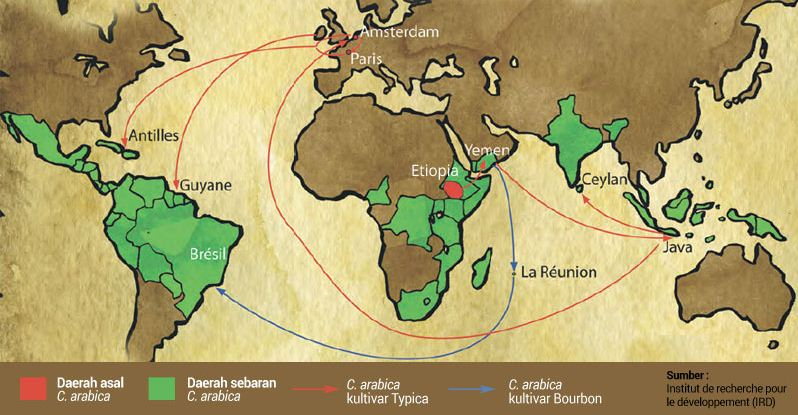
The history of coffee cultivation in Brazil dates back to the 18th century. At that time, the region was still a Portuguese colony. A special relationship between an officer named Francisco Palheta and the wife of the governor of Cayenne in French Guiana allowed him to introduce coffee seeds into Brazil. These seeds quickly adapted to the local environment, gradually spreading from the north to the southeastern state of São Paulo, eventually forming large-scale production regions. By 1845, Brazil’s coffee output accounted for 45% of the global total, making it a core economic crop in the state of São Paulo.
Major Producing Regions and Terroir Differences
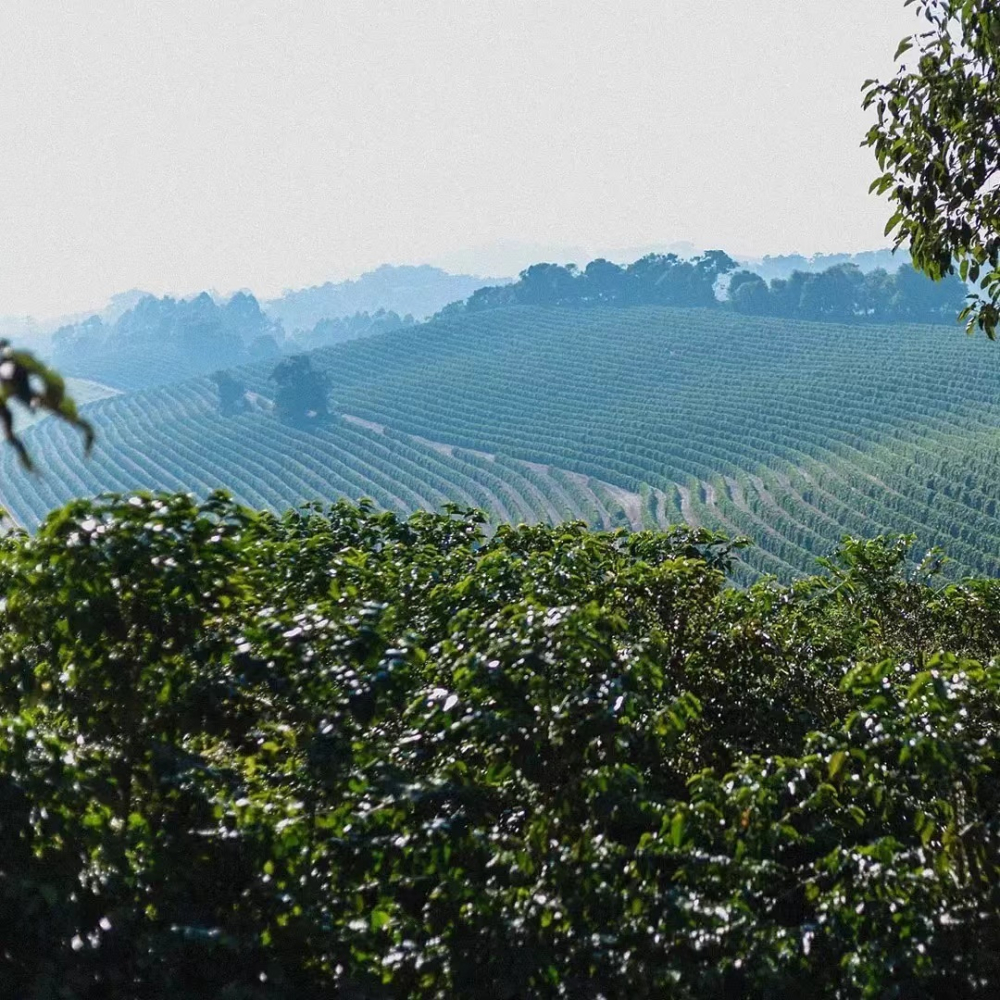
According to statistics from the Brazilian Coffee Industry Association, coffee is grown in more than 14 states nationwide, with seven major producing regions contributing nearly 90% of the total output. The western regions mainly produce Robusta, while the more quality-focused Arabica is concentrated in the southeast. This article focuses on two representative regions: Minas Gerais, the largest producer, and São Paulo, where coffee was first planted.
Minas Gerais accounts for about half of the country’s annual output and includes four well-known sub-regions: Cerrado, Sul de Minas, Chapada de Minas, and Matas de Minas. Among them, the Cerrado area has flat terrain, suitable for large-scale mechanized operations, and many exporters have established large farms there. The other three regions, due to their rugged terrain, rely mostly on smallholder manual harvesting.
The Mogiana region in the state of São Paulo boasts a long coffee-growing history, with its name derived from the 'Coffee Railway' company built in 1883. The region sits at an altitude of about 900 to 1100 meters, with an average annual temperature of around 20°C. The hilly environment gives the coffee good sweetness and balance. Due to slope limitations, most harvesting still relies on manual labor. For example, Fazenda Rainha (Queen Estate), found on the bean list of a well-known coffee brand, is from this region.
Fazenda Rainha and the Yellow Bourbon Variety
Fazenda Rainha is one of Brazil’s most representative top-tier specialty coffee estates, having won the first edition of the Brazilian COE competition. The estate has long been known for its high quality. The Yellow Bourbon variety it uses is a native Brazilian mutation, influenced by recessive genes to produce yellow fruit. This variety typically exhibits excellent sweetness, cleanliness, and balance, along with pronounced tropical fruit aromas, making it highly favored in the specialty coffee market.
Brazil’s Unique Pulped Natural Processing Method
Located in the tropics, Brazil’s coffee harvest often coincides with the dry season, which is favorable for sun drying. However, early direct sun-drying methods were prone to tainting the coffee with off-flavors. To address this issue, Brazil developed the pulped natural (or pulp natural / Pulped Natural) process in the 1990s.
The processing steps are as follows: first, foreign matter is removed, then floating is used to select ripe fruits. Next, a machine removes the skin, pulp, and part of the mucilage, followed by a brief wash. Due to the short fermentation time, some mucilage remains, and the mucilage-covered parchment beans are then placed on drying patios for sun drying.
Brazil’s Coffee Grading System
Brazil’s green coffee grading system is relatively complex, primarily based on defect rates, bean size, and cupping quality. Grade information is usually indicated on export sacks, with formatting including: country of origin, defect grade, cupping taste, bean size specification, flavor grade, and region name.
This method not only saves water and labor but also reduces drying time, making it widely used in Brazil. For example, a well-known coffee brand’s Brazilian Cerrado blend beans are processed using this method, with multiple screening procedures ensuring higher coffee cleanliness. Fazenda Rainha, on the other hand, adopts a higher-standard small-batch sun-drying method, with the entire process carried out on African raised beds to avoid ground odors and over-fermentation, resulting in even better sweetness performance.
Flavor Characteristics and Roasting Recommendations for Brazilian Coffee
For example, Brazilian Cerrado green beans purchased by a well-known coffee brand are labeled as ‘Brazil NY.2 SC – 17/18 FC Cerrado’, indicating they are from the Cerrado region, with bean sizes of 17 to 18 mesh. SC stands for Extremely Soft (Strictly Soft) in taste, and FC indicates Fine Cup in cupping quality. NY.2 is a high standard within the defect rate grading system; although NY.1 represents zero defects, due to supply instability, NY.2 has become the commonly accepted highest standard in actual trade.
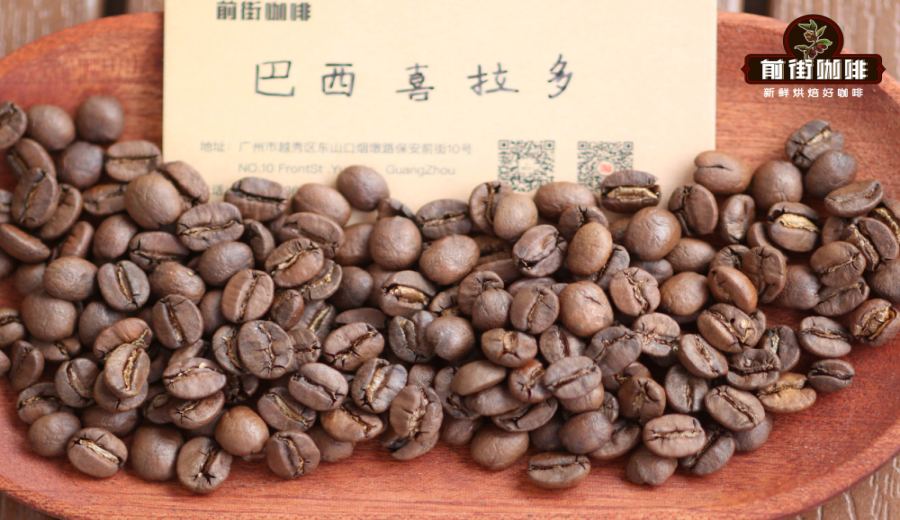
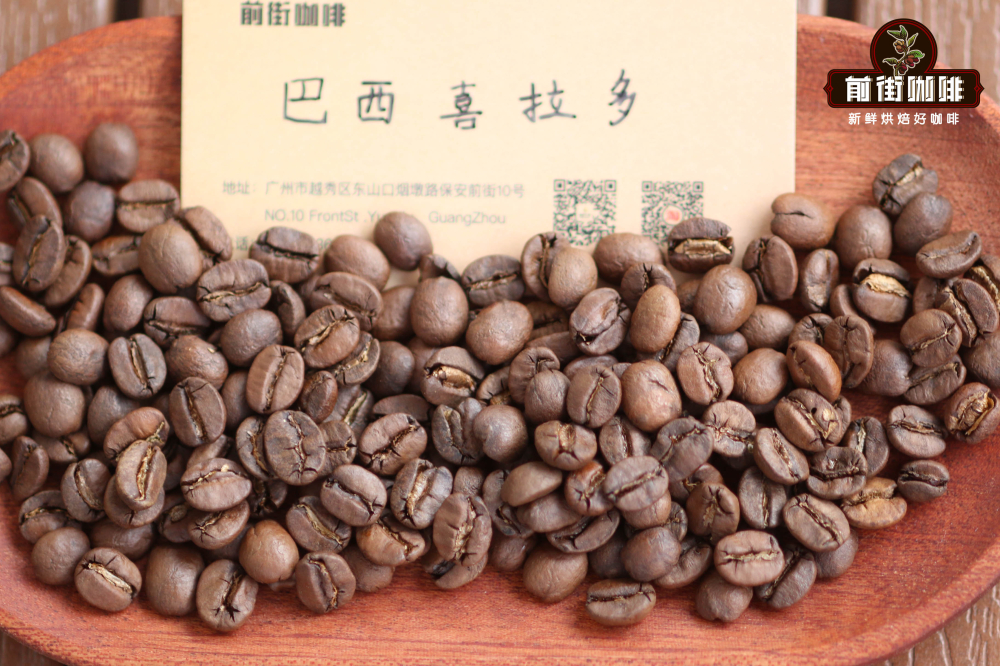
Brazilian coffee generally presents notes of nuts, cocoa, chocolate, and toasted bread, with low acidity and a full body. Therefore, both of a well-known coffee brand’s Brazilian offerings are medium-dark roasted to enhance their rich flavor layers.
Fazenda Rainha Medium-Dark Roast Brewing Parameters
Using a KONO filter cone can extend the water-coffee contact time and enhance body. Recommended brewing temperature is 87–88°C, grind size is about 70% passing through a Chinese standard 20-mesh sieve (medium-coarse), with 15 grams of coffee, a 1:15 coffee-to-water ratio, and a three-stage pouring method.
Steps are as follows: First, bloom with twice the amount of coffee (about 30 grams) of water for 30 seconds. Then, pour with a small stream in a circular motion from the inside out until reaching 125 grams for the first pour. Once the coffee bed drops to the middle of the cone, continue pouring with the same fine stream up to 225 grams, with a total extraction time of about 2 minutes. Finally, gently swirl the coffee before enjoying.
The brewed Fazenda Rainha coffee offers a rich and layered flavor. As the temperature changes, you can perceive notes of nuts, caramel, and chocolate, paired with a pleasant sugarcane-like sweetness and good balance. It’s a classic medium-dark roasted Brazilian bean perfect for slow, enjoyable sipping.
The above content is compiled by CoffeeHunters, a coffee news website.


