








Introduction:Bourbon and Typica are both classic cultivars of Arabica coffee, but do you know about their evolutionary relationship and differences? This article delves into the diversity of the Bourbon family—from the most common Red Bourbon to rare varieties with fruits that appear yellow or pink—and provides a detailed explanation of each variety’s origin, growing environment requirements, physical characteristics, and unique flavor profiles. This will help you better understand the traits of each bean when selecting coffee or trying pour over brewing.
Bourbon coffee is a mutated variety derived from Typica, and both belong to long-established cultivars within the Arabica species. When people mention Bourbon, most first think of Red Bourbon, whose fruits turn bright red upon ripening. In fact, the Bourbon family also includes Yellow Bourbon, Orange Bourbon, and the extremely rare Pink Bourbon. This article will comprehensively introduce the historical origins of these varieties, the reasons behind changes in appearance and fruit color, suitable growing conditions, and their distinctive flavor characteristics. It will also uncover why Yellow Bourbon appears yellow and the reasons behind the rarity of Pink Bourbon.
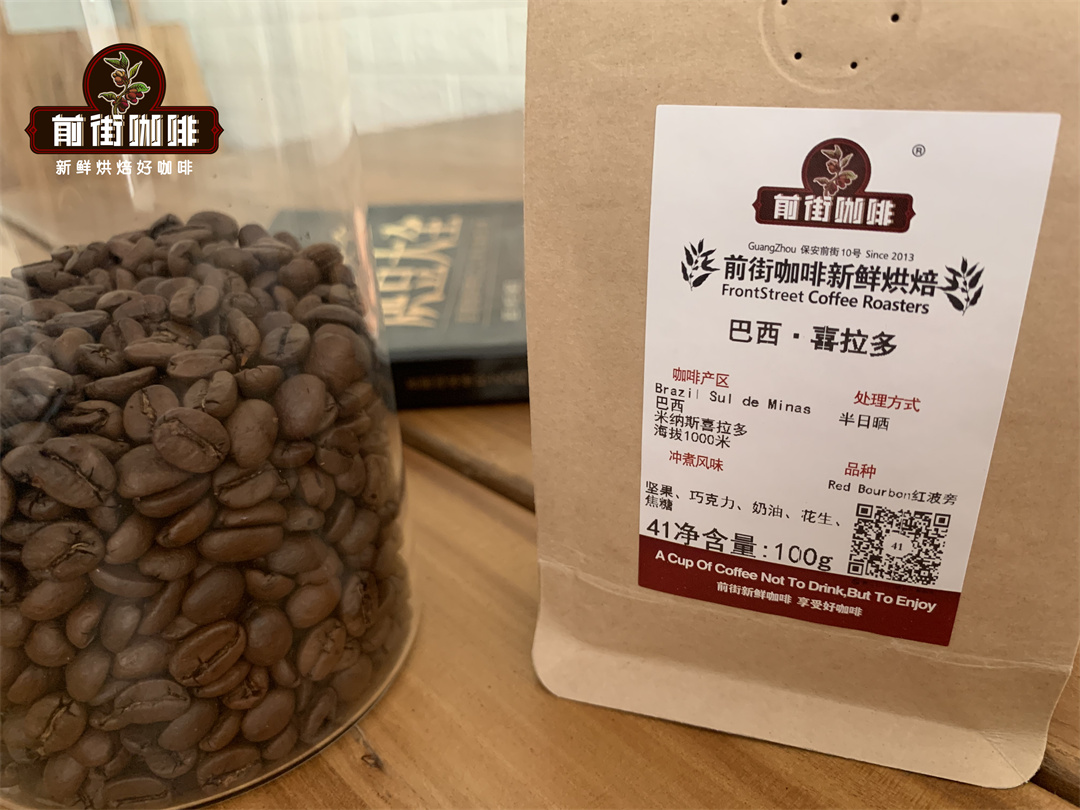
Let’s start with the most well-known Red Bourbon. Although it is often simply referred to as “Bourbon,” its formal name is “Red Bourbon” to distinguish it from other color variants. The coffee cherries produced by this variety transition in color from green to light yellow, pale orange, and finally to a vivid red or even deep red as they ripen. The fruit shape of this variety is relatively short and round, also known as “round-bodied Bourbon.” Its flesh and seeds are tightly arranged, resulting in coffee that typically has a pronounced sweetness and a vibrant yet balanced acidity. Red Bourbon thrives best at altitudes above 1200 meters. While yields may be slightly lower in such high-altitude environments, the flavor profile is often richer and more layered. Compared to Typica, Bourbon exhibits better growth vigor and resistance to leaf rust, though both prefer shaded environments to fully realize their potential. Of course, if the local annual average temperature remains between 18 to 24 degrees Celsius, the planting area faces northeast or east, and daily sunlight exposure is only about six hours, then sun-grown cultivation is also a viable option.
Next is the much-lauded Yellow Bourbon in the specialty coffee scene. This variety was first discovered in the state of São Paulo, Brazil, and its most distinctive feature is that its coffee cherries turn a warm orange-yellow upon ripening, rather than red—hence the name “Yellow Bourbon.” When grown at high altitudes, Yellow Bourbon can accumulate more fructose, resulting in an exceptionally appealing flavor profile. Common tasting notes include nuts, cream, peanuts, and soft chocolate tones, with a bright and clean acidity and minimal bitterness, delivering an overall clean and bright mouthfeel. Interestingly, the difference in fruit color of Yellow Bourbon stems from the selective expression of genetic traits. According to research by the Campinas Agronomic Institute (IAC), the genes controlling berry color are classified as dominant XcXc (resulting in red berries), recessive xcxc (resulting in yellow berries), and in some cases, the heterozygous Xcxc (resulting in orange berries). Yellow Bourbon once swept the top three spots in Brazil’s Cup of Excellence competition for two consecutive years, highlighting its esteemed status in the specialty coffee world. If you enjoy trying pour over coffee, some single-origin Brazilian offerings labeled as “Brazilian Queen” are representative of Yellow Bourbon, characterized by flavors of nuts and creamy peanuts, soft acidity, and a hint of fermented fruit aroma.
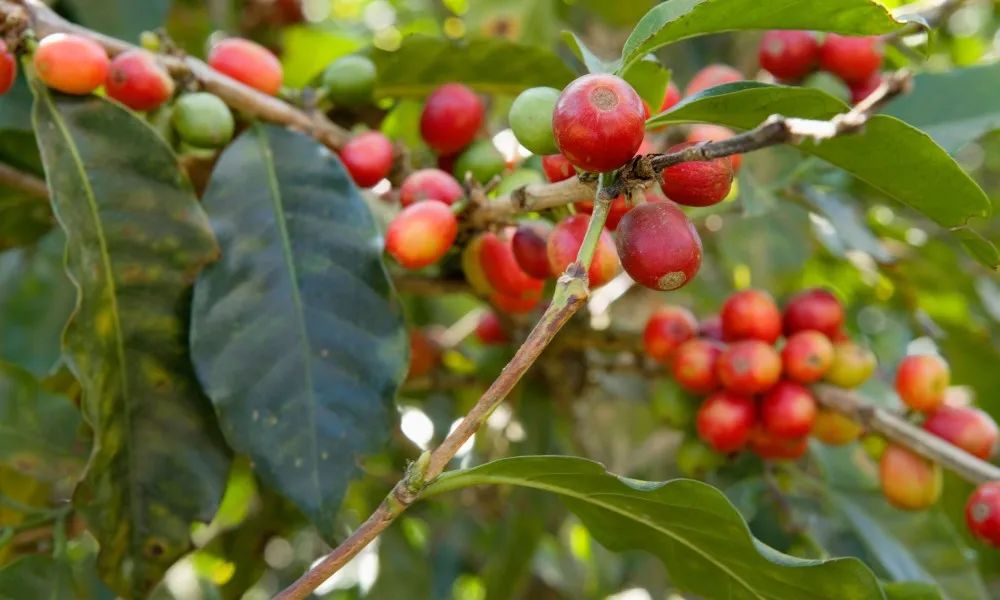
Finally, let’s take a look at the extremely rare Pink Bourbon. As the name suggests, the coffee cherries of Pink Bourbon turn a soft pink hue upon ripening. This variety is the result of crossbreeding between Red Bourbon and Yellow Bourbon. However, because the yellow gene of Yellow Bourbon and the red gene of Red Bourbon are both recessive, they tend to interfere with each other genetically, making Pink Bourbon difficult to breed stably and resulting in very low yields. Additionally, unripe Pink Bourbon cherries closely resemble those of Red Bourbon, making it hard to distinguish them effectively during harvest—further adding to their scarcity. Nevertheless, the flavor performance of Pink Bourbon is astonishing. In addition to having good disease resistance, the brewed coffee often carries delicate lily floral notes and a distinct lychee sweetness, making it an excellent choice for pour over brewing and offering drinkers a uniquely gentle and smooth taste experience.
The above content is compiled by CoffeeHunters, a coffee news website.


