








Introduction:Want to understand how to make cold drip and cold brew coffee, and which one tastes better? This guide dives deep into the extraction principles, equipment structures, flavor differences, and ideal scenarios of these two cold brewing methods, helping you master the key parameters and choose the right technique to achieve your desired flavor profile. Whether you prefer a rich and bold cup or a clean and sweet one, you’ll find the perfect cold brewing solution here.
Although both ice drip coffee and cold brew coffee fall under the category of low-temperature extracted coffee beverages, they differ significantly in their brewing principles, equipment designs, and the final flavor profiles they produce. Ice drip coffee involves slowly dripping ice water drop by drop through gravity over several hours, continuously penetrating the coffee grounds — a process that emphasizes precision and delicacy. In contrast, cold brew uses a large amount of cold water to steep coffee grounds for an extended period, naturally extracting flavors over time, resulting in a bolder and richer cup. This article will comprehensively compare the similarities and differences between these two popular cold drinks, from equipment structure and brewing time to parameter settings and flavor characteristics, and provide practical advice to help you choose the most suitable brewing method based on your personal taste preferences.
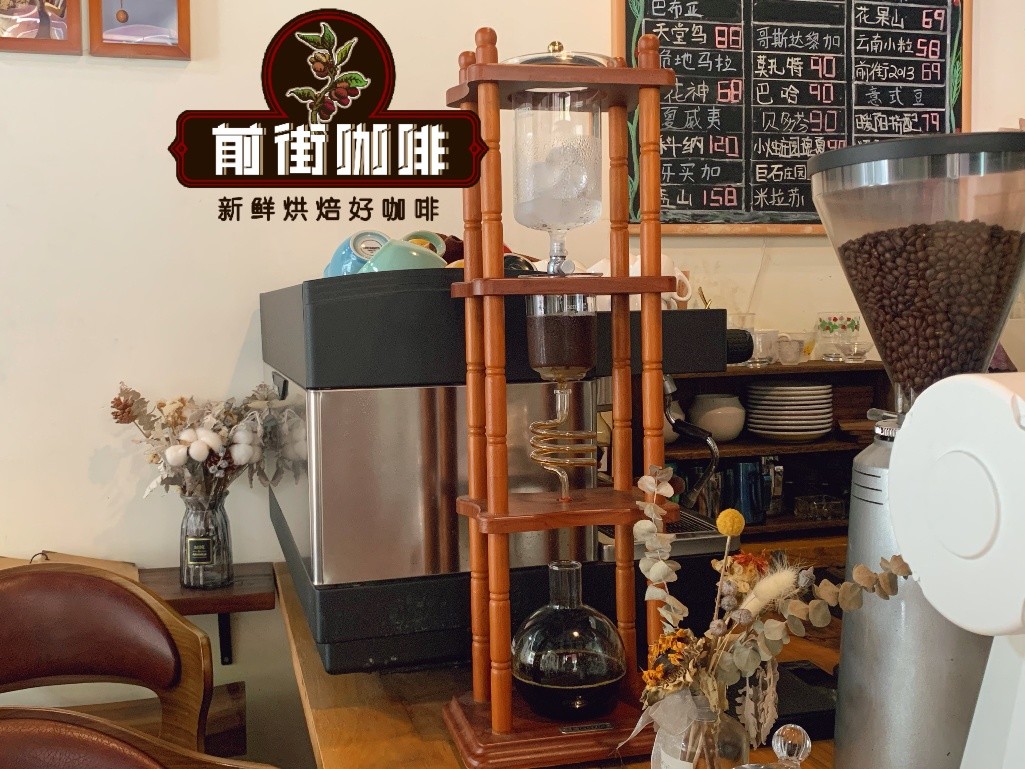
The core of ice drip coffee lies in a specialized setup typically composed of three parts: the top layer holds a mixture of ice and water, which, through gravity, allows the cold water to drip drop by drop into the middle layer filled with coffee grounds; after the coffee grounds fully absorb the water, the filtered coffee liquid then drips drop by drop into the collection container at the bottom. This extraction method not only delivers a unique visual experience, but the resulting coffee often has a darker color, a more concentrated flavor, and a richer layered complexity.Generally, the dripping speed of ice drip devices used at home or in shops is about 10 to 30 drops per minute. The overall brewing time varies depending on the equipment and settings, commonly ranging from 3 to 24 hours, though many professional shops recommend keeping it between 5 to 8 hours to achieve the best balance.Of course, the actual time required can be influenced by multiple factors such as coffee bean variety, grind size, water temperature, and dripping speed. Overall, the production efficiency is usually slightly faster than that of traditional cold steeping methods.
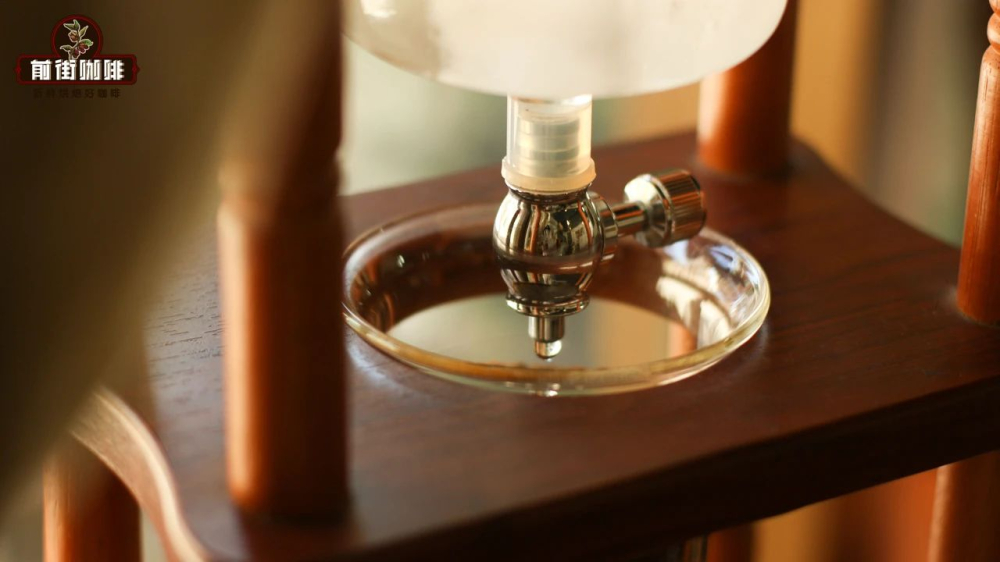
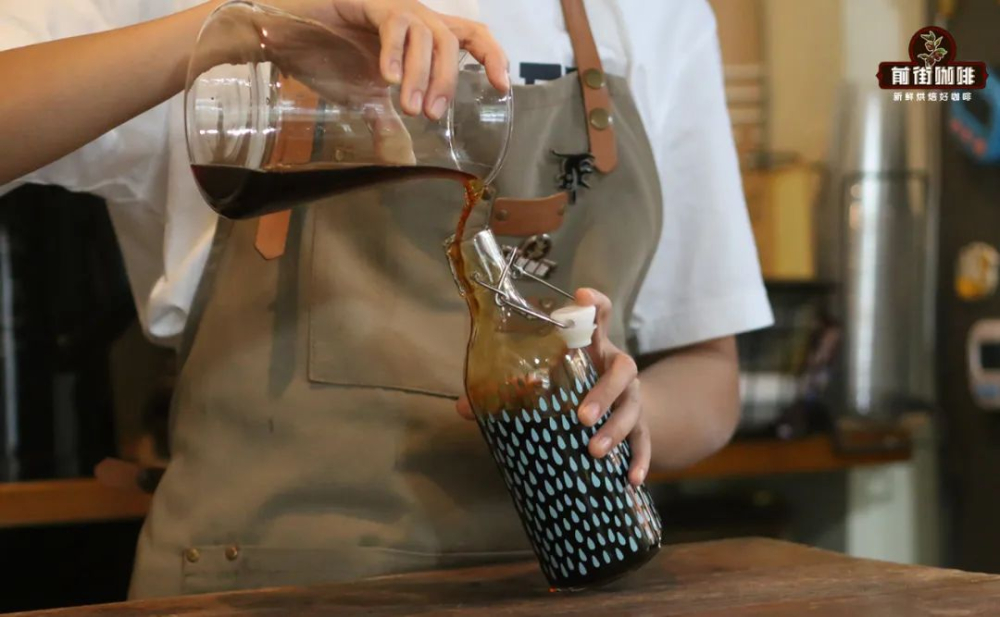
Although both belong to low-temperature extraction, ice drip and cold brew differ significantly in their brewing processes and flavor presentations. Cold brew coffee is typically made by combining coarsely ground coffee with room temperature or chilled water in a sealed container, allowing it to steep for at least 12 hours, sometimes even overnight, so that the coffee flavors can slowly release. This immersion extraction method often leaves some fine coffee grounds at the bottom, although some people particularly enjoy this slightly gritty texture, believing it brings out a more pronounced chocolatey sweetness and full-bodied mouthfeel. There are also specialized tools on the market, such as the Hario Cold Brew Pitcher, which simplify the filtration process and make the operation more convenient. In comparison, the extraction process of ice drip coffee is more visual and refined, with cold water dripping very slowly from the top of the device onto the coffee grounds. Once the grounds have absorbed enough moisture, the filtered coffee liquid then drips drop by drop into the collection bottle below, resulting in a clearer yet richly flavored coffee liquid.
In terms of flavor characteristics, these two types of cold brew coffee also present very different profiles. Cold brew coffee generally has a cleaner and more refreshing taste, with lower acidity and bitterness, making it easy to highlight sweetness and floral notes. It is well-suited as a base for iced coffee, though it often needs to be diluted appropriately to reach the ideal strength. Ice drip coffee, on the other hand, due to its long-duration low-temperature extraction, offers a more intense and fuller flavor. Even with relatively lower acidity, it still retains a wealth of sweet aromas and complex layers. It is not recommended to overly dilute it, as this may cause the loss of its delicate flavor structure. It’s worth noting that the final outcomes of both methods are closely related to the choice of coffee bean variety, roast level, and grind size. Selecting beans that are well-suited for low-temperature extraction is often the key to success.
When it comes to equipment selection and ease of use, cold brew coffee is relatively simple. You only need a standard cold brew bottle or sealed jar with a filter, or you can even use a regular glass bottle for steeping and then filter it later with paper or a mesh strainer. This makes it very beginner-friendly and convenient for daily casual brewing. Ice drip coffee, however, is a more precision-oriented extraction craft, requiring higher standards for equipment. It necessitates the use of specially designed ice drip brewers to ensure stable dripping speed and effective filtration. The market has also introduced some more efficient modern ice drip devices, such as certain models of the Dripster Cold Brew coffee maker, which can complete high-quality ice drip extraction in just three hours, significantly reducing waiting time while maintaining both precision and convenience.
The above content is compiled by CoffeeHunters, a coffee news website.


